Regulatory Challenges for Air Filters: Innovations and Solutions

Key Takeaways
- Understanding Air filter regulations is crucial for compliance and operational efficiency.
- The Automatic Roll Air Filter offers innovative features that enhance air quality control.
- Proper selection based on specific operational needs can optimize system performance.
- Maintenance practices impact filter lifespan and cost-effectiveness significantly.
- Real-world application showcases diverse uses across various industries.
- Roll Media Advance Logic: As particulate matter accumulates on the filter, the system detects an increase in differential pressure.
- Differential Pressure Trigger: This mechanism activates the roll media, advancing fresh filter material into the airflow path.
- Timer Mode: Users can set specific time intervals for media advancement, ensuring consistent performance and air quality.
- Airflow Range: Determine the required volume of air that needs filtering.
- Face Velocity: Identify the optimal speed of airflow through the filter.
- Media Width/Length: Select dimensions compatible with your system.
- Frame Size: Ensure the frame fits seamlessly into existing installations.
- Control Options: Evaluate manual versus automated configurations based on operational needs.
- Power Supply: Consider electrical requirements for automation features.
- Installation Location: Decide whether the filter will be positioned at the fresh air intake, return air, or process-specific locations.
- Failure to Assess Airflow Requirements: Always conduct an airflow assessment prior to selection.
- Ignoring Maintenance Protocols: Implement a maintenance schedule to extend filter lifespan.
- Inadequate Understanding of Pressure Dynamics: Familiarize yourself with differential pressure impacts on air handling.
- Neglecting Regulatory Updates: Stay informed about air filter regulations to ensure ongoing compliance.
- Overlooking the Importance of Filter Placement: Placement affects efficiency; consider logistical factors during installation.
- Misjudging Filter Media Properties: Research media specifications to meet operational demands effectively.
- Settling for Cost Over Quality: Short-term savings may lead to higher long-term costs; invest wisely.
-
Data Center: A leading tech company adopted CloverFilter’s Automatic Roll Air Filter to manage high heat loads and protect sensitive server equipment. The result was a significant reduction in dust accumulation and improved cooling efficiency.
-
Lithium Battery Factory: Continuous monitoring of air quality was critical in this facility. The Automatic Roll Air Filter enabled effective removal of harmful particles, aligning with safety regulations.
-
Paint Shop: A manufacturer utilized the filter system to ensure clean air for workers and compliance with environmental standards, thus enhancing the overall working atmosphere.
-
Textile/Steel/Cement Plant: In facilities characterized by heavy particulates, substituting traditional filters with CloverFilter’s Automatic Roll Air Filter provided both energy savings and increased durability.

Introduction to Air Filter Regulations
Air filter regulations are increasingly stringent, driven by the need for cleaner air across various industrial and commercial environments. These regulations aim to minimize airborne pollutants, protect workforce health, and ensure compliance across sectors, including manufacturing, healthcare, and data management. Among the key innovations in the field of air filtration technology is the Automatic Roll Air Filter, which provides advanced solutions to meet and exceed these regulations.
What is an Automatic Roll Air Filter?
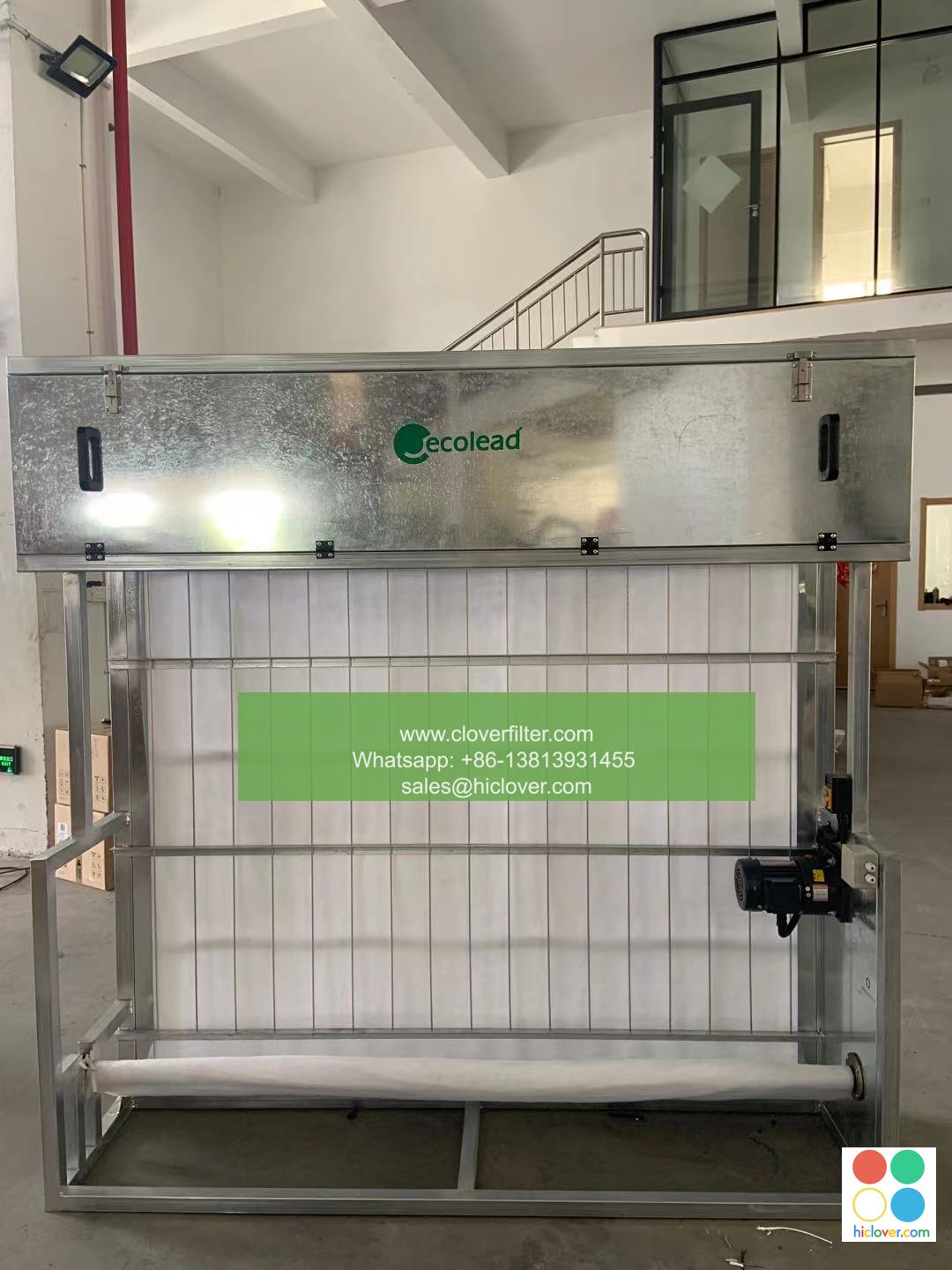
An Automatic Roll Air Filter is a dynamic filtration system designed to continuously advance the filter media as it becomes saturated. This system works by employing roll media advance logic, which triggers an automatic roll mechanism when a certain differential pressure threshold is reached, ensuring optimal airflow. The timer mode allows consistent management of filtration cycles, making it a suitable fit for HVAC (Heating, Ventilation, and Air Conditioning) systems, including air handling units (AHUs).
How Does It Work?
The Automatic Roll Air Filter functions through several sophisticated principles:
This innovative design not only addresses air filter regulations but provides energy savings by optimizing airflow and reducing back pressure on systems.
Practical Selection Guide
When selecting an Automatic Roll Air Filter, it’s essential to consider several factors:
Comparison Table
| Filter Type | Best Use Case | Maintenance | Pressure Drop Behavior | Operating Cost | Typical Risk/Downside |
|---|---|---|---|---|---|
| Automatic Roll Air Filter | High particulate load | Low, automated | Low | Moderate | Initial setup cost |
| Bag Filter | General industrial use | Medium | Moderate | Low (over time) | Size and weight |
| Panel Filter | Light-duty applications | High | High | Moderate | Frequent replacements |
| V-bank | Versatile applications | Medium | Variable | High (if used wrong) | Complexity |
Common Mistakes & How to Avoid Them
Real-World Scenarios
Compliance and Standards
While navigating air filter regulations, it’s essential to reference general industry frameworks such as ISO 16890 and MERV concepts. These standards provide guidance on particulate control and filter performance benchmarks. Specific certifications are available upon request, ensuring your operations align with relevant compliance needs.
FAQ
1. What are air filter regulations?
Air filter regulations are guidelines set by authorities to limit the presence of harmful airborne particles in commercial spaces.
2. How does the Automatic Roll Air Filter differ from traditional filters?
It features automatic media advancement, reducing maintenance needs and optimizing performance without frequent replacements.
3. What environments benefit most from using Automatic Roll Air Filters?
Industries such as data centers, manufacturing plants, and cleanrooms see significant benefits due to higher particulate challenges.
4. Can the system handle varying airflow conditions?
Yes, the design accommodates a wide airflow range and can be customized to specific operational dynamics.
5. What maintenance practices should be followed?
Routine inspections and operational checkups are recommended to ensure peak efficiency and adherence to air filter regulations.
6. Is energy efficiency a benefit of using this filter?
Absolutely, the Automatic Roll Air Filter enhances energy efficiency by maintaining desired airflow with reduced pressure drop.
7. Are there any downsides to consider?
Initial costs for advanced filters may be higher; however, they often result in less frequent replacements and lower long-term costs.
8. How does media advancement work?
Media advancement is triggered by differential pressure; when the system detects pressure changes, it automatically rolls in new filter media.
9. Can the Automatic Roll Air Filter be used in retrofits?
Yes, it can often be integrated into existing HVAC systems without extensive modifications.
10. How do I ensure compliance with air filter regulations?
Stay updated with local regulations and standards, and consult with suppliers like CloverFilter for compliance resources.
Meta Description: Discover innovations and solutions to meet air filter regulations with CloverFilter’s Automatic Roll Air Filter. Optimize your industrial air filtration today.
For your air filtration needs, trust the expertise of CloverFilter. Learn more and get in touch with our team at CloverFilter.
It seems you entered “Prompt.” How can I assist you with that? Are you looking for writing prompts, a prompt for a specific topic, or something else? Let me know!
