Research Lab Air Filtration: A Comparison of Automatic Roll Air Filters and Traditional Methods
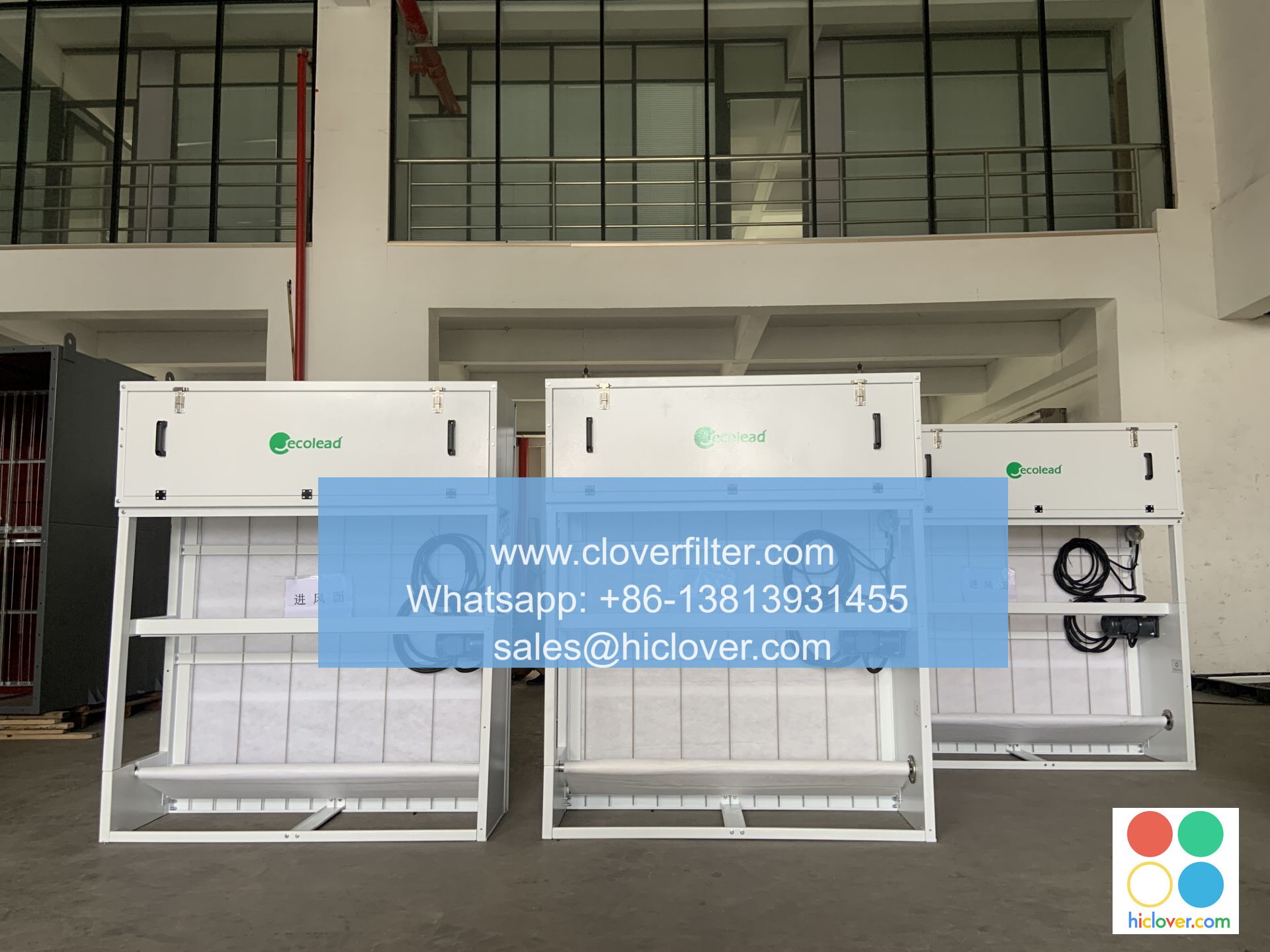
In the realm of research and laboratory environments, maintaining optimal air quality is pivotal for ensuring accurate results and the safety of personnel. A key component in achieving this is efficient air filtration. This article explores two prevalent filtration methods: automatic roll air filters and traditional methods, drawing comparisons to highlight their effectiveness and application areas.
The Need for Effective Air Filtration in Research Labs

Research laboratories often deal with sensitive experiments that can be easily compromised by airborne contaminants. The following key considerations highlight the importance of air filtration:
- Contaminant Control: Ensuring that particulate matter and chemical fumes do not interfere with delicate experiments.
- Compliance: Meeting industry regulations and standards that require specific air quality levels.
- Safety: Protecting laboratory personnel from harmful airborne substances.
Traditional Air Filtration Methods
Traditional air filtration systems often include mechanical filters, electrostatic precipitators, and activated carbon filters. Each of these methods has its advantages and limitations:
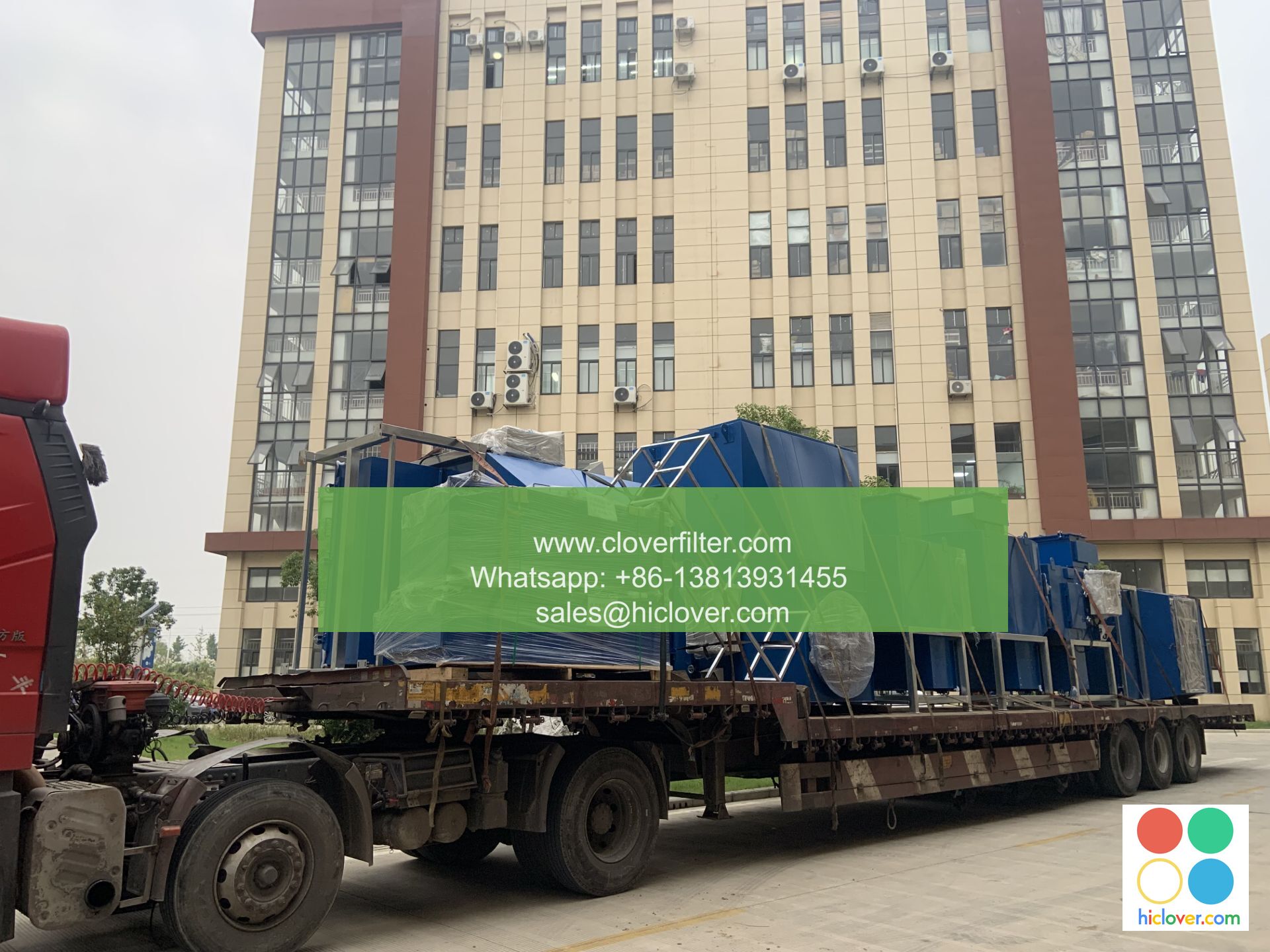
- Mechanical Filters: Commonly used in laboratory settings, they work by physically trapping particles. However, their efficiency decreases as they accumulate dust.
- Electrostatic Precipitators: These devices use electrical charges to capture particles. While they are efficient for small particles, they require regular maintenance to uphold performance.
- Activated Carbon Filters: Effective for removing odors and gaseous contaminants, but their lifespan is limited once saturated.
Automatic Roll Air Filters
Automatic roll air filters are emerging as a favored solution, particularly in research labs. These systems maintain continuous air filtration through an automated mechanism that replaces filters as needed, offering several distinct benefits:
- Continuous Filtration: The automatic roll system provides uninterrupted filtration, ensuring a consistent low level of contaminants.
- Space Efficiency: Compact design allows for easier integration into existing laboratory setups.
- Lower Maintenance Needs: The automated nature significantly reduces the workload associated with filter replacement and maintenance.
- Cost-Effectiveness: While the initial investment may be higher, the long-term savings in maintenance and downtime can be substantial.
Application Areas of Air Filtration in Research Labs
Both traditional and automatic roll air filters find applications in various research sectors. Here’s a closer look at their relevance:
1. Pharmaceutical Research
In pharmaceutical labs, air quality is crucial for preventing contamination in drug development. Automatic roll air filters ensure a clean environment, while traditional systems serve as backups.
2. Chemical Analysis
Analytical labs require precise air filtration to avoid sample contamination. Traditional methods may suffice for basic tasks, but advanced filtration helps maintain stringent air quality standards.
3. Biological Research
Biological labs are particularly sensitive to airborne particles and pathogens. Automatic roll filters are advantageous here due to their reliability and ongoing performance.
4. Electronics Manufacturing
In electronics labs that handle sensitive components, even minimal contamination can lead to significant product failures. Both types of filtration systems play critical roles, but automatic systems have a clear edge in terms of efficiency.
Conclusion
When it comes to air filtration in research laboratories, both traditional methods and automatic roll air filters have their place. However, as the demand for efficiency and reliability in laboratory settings grows, it’s evident that automatic roll air filters are becoming an essential component in maintaining optimal air quality. Their advantages in continuous filtration, space efficiency, and cost-effectiveness make them an attractive option for modern research labs striving for excellence.
