Research Lab Ventilation Systems: The Importance of Automatic Roll Air Filters
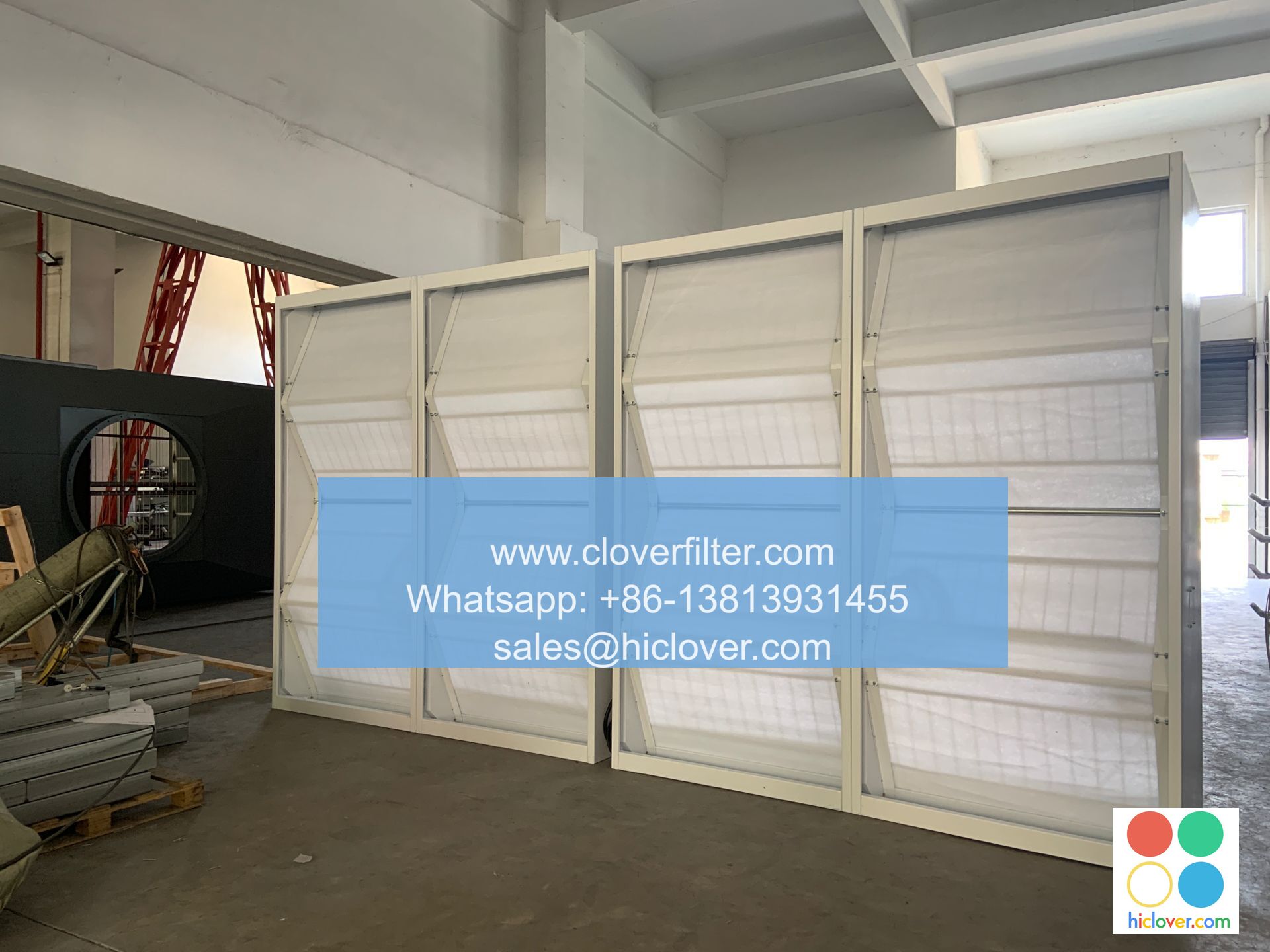
Introduction to Research Lab Ventilation Systems
In modern research facilities, effective ventilation systems are crucial for maintaining a safe and productive environment.
Proper ventilation minimizes contamination, controls temperature and humidity, and ensures compliance with health and safety regulations.
Among the various components that contribute to effective ventilation are automatic roll air filters, which play a vital role in keeping the air clean and breathable.

The Role of Automatic Roll Air Filters
Automatic roll air filters are designed to provide continuous air filtration in environments where air quality is paramount.
These filters automatically adjust to air flow and pressure changes, ensuring optimal performance and efficiency.
They are particularly beneficial in several application areas, including:
- Biomedical Research Labs: These labs often deal with infectious agents and require high levels of air cleanliness to ensure the safety of researchers and the integrity of experiments.
- Pharmaceutical Manufacturing: Creating pharmaceuticals demands strict adherence to cleanliness standards to prevent contamination, making reliable ventilation systems essential.
- Chemistry and Material Science Labs: The experiments conducted in these settings can produce hazardous fumes and particles, necessitating advanced filtration systems.
- University Research Facilities: Academic institutions conducting complex research projects rely on efficient ventilation systems to support various experimental conditions.

Benefits of Automatic Roll Air Filters in Lab Settings
Implementing automatic roll air filters in ventilation systems offers numerous benefits:
- Improved Air Quality: By effectively trapping particulates and contaminants, these filters enhance overall air quality, which is crucial for sensitive experiments.
- Cost Efficiency: Automatic systems that adapt to changing conditions can reduce energy consumption and maintenance costs. Over time, their use proves to be economically advantageous.
- Ease of Integration: These filters can be seamlessly integrated into existing ventilation systems, enhancing their functionality without significant retrofitting.
- Compliance with Regulatory Standards: Ensuring that air quality meets health and safety standards is essential. Automatic filters help labs maintain compliance with regulations.
Challenges and Considerations
Despite their advantages, implementing automatic roll air filters in lab ventilation systems does have challenges. Regular maintenance is necessary to prevent the filters from becoming clogged, which can hinder airflow and compromise performance.
Additionally, selecting the right type of filter based on specific application needs is crucial for ensuring optimal results.
Conclusion
In conclusion, research lab ventilation systems play an integral role in ensuring the safety and efficiency of scientific work.
The implementation of automatic roll air filters within these systems enhances air quality, supports compliance with safety standards, and offers economic benefits.
As research activities continue to expand and evolve, investing in advanced ventilation solutions will become increasingly essential for safeguarding both personnel and the integrity of research.
