Rethinking Air Quality: The Rise of Smart Air Filter Technology
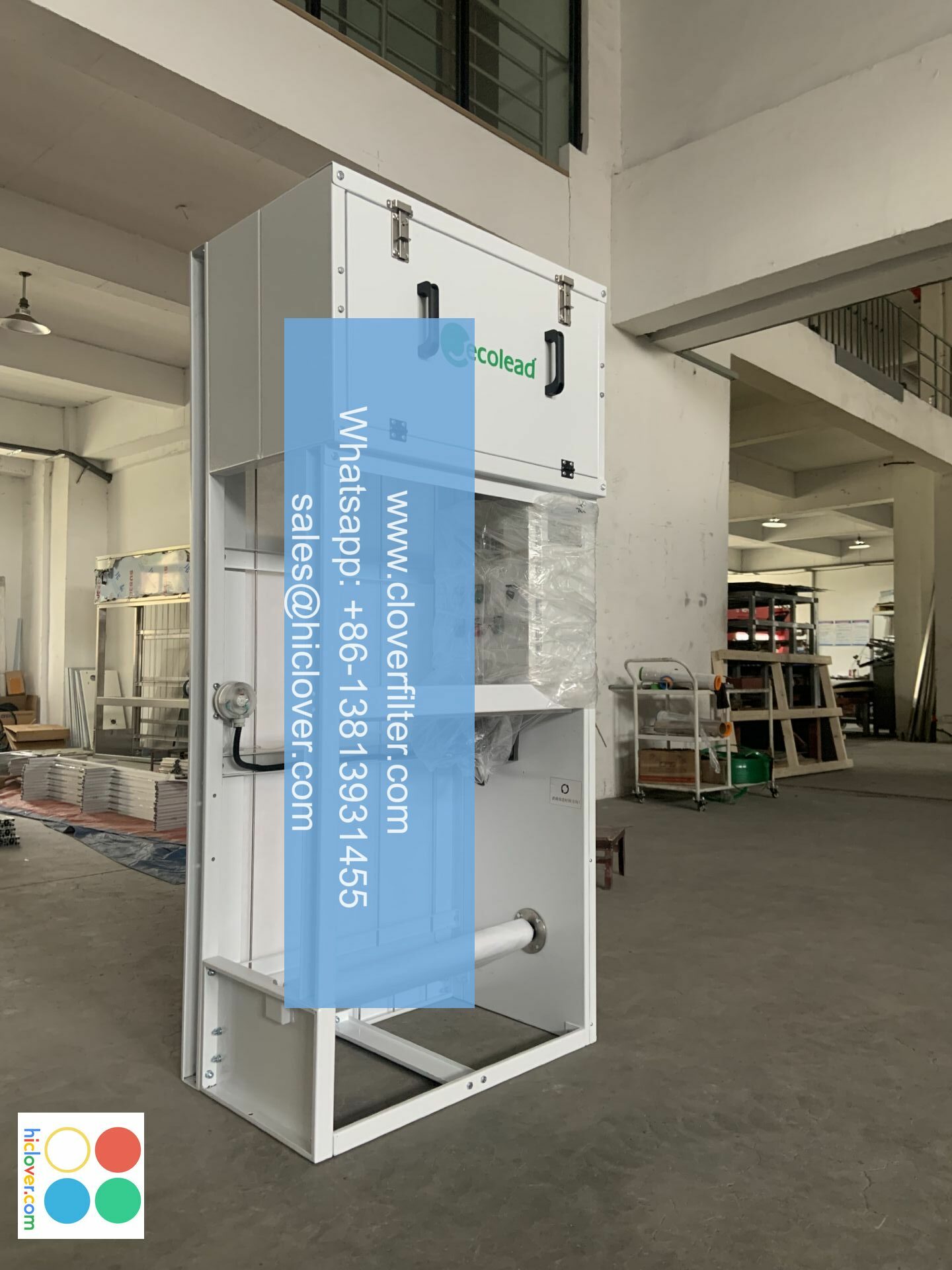
The air we breathe has a significant impact on our health, productivity, and overall well-being. With the increasing concern about air pollution and its effects on human health, the demand for effective air purification systems has never been higher. Traditional air filters have been widely used, but they have limitations in terms of efficiency, maintenance, and energy consumption. This is where smart air filter technology comes in, revolutionizing the way we think about air quality management.
##
What is Smart Air Filter Technology?
Smart air filter technology refers to the integration of advanced technologies such as Internet of Things (IoT), Artificial Intelligence (AI), and machine learning into air filtration systems. These intelligent air purifiers can detect and respond to changes in indoor air quality, optimize filter performance, and provide real-time monitoring and feedback. By leveraging data analytics and sensor technology, smart air filters can identify and capture a wide range of pollutants, including PM2.5, VOCs, and other airborne contaminants.
##
Key Applications of Smart Air Filter Technology
The applications of smart air filter technology are diverse and widespread, including:
* Indoor air quality management in commercial buildings, schools, and healthcare facilities
* Air pollution control in industrial settings, such as manufacturing plants and oil refineries
* Residential air purification systems for homes and apartments
* Transportation air quality management in vehicles, airplanes, and public transportation systems
* Agricultural air quality management in greenhouses, barns, and other agricultural settings
##
Benefits of Smart Air Filter Technology
The benefits of smart air filter technology are numerous and significant, including:
* Improved indoor air quality and reduced exposure to air pollutants
* Energy efficiency and reduced energy consumption
* Increased filter lifespan and reduced maintenance costs
* Real-time monitoring and feedback for optimized performance
* Enhanced health and productivity for building occupants
##

Future Directions and Opportunities
As smart air filter technology continues to evolve, we can expect to see even more innovative applications and integrations, such as:
* Integration with smart home systems and building automation systems
* Development of new filter materials and technologies
* Expansion into new markets, such as aircraft and marine vessels
* Increased focus on sustainability and environmental impact
In conclusion, smart air filter technology is a game-changer in the world of air quality management. By combining advanced technologies and data analytics, these intelligent air purifiers can provide unparalleled performance, efficiency, and benefits for human health and the environment. As we continue to rethink air quality and prioritize clean air and sustainable living, smart air filter technology is poised to play a leading role in shaping a healthier, more sustainable future. It looks like you didn’t include a prompt. What can I help you with? Do you want to discuss a specific topic, ask a question, or generate some creative ideas? I’m here to help!
