Revolutionizing Air Quality: The Rise of Automatic Roll Air Filters in Canada’s Electronics Sector
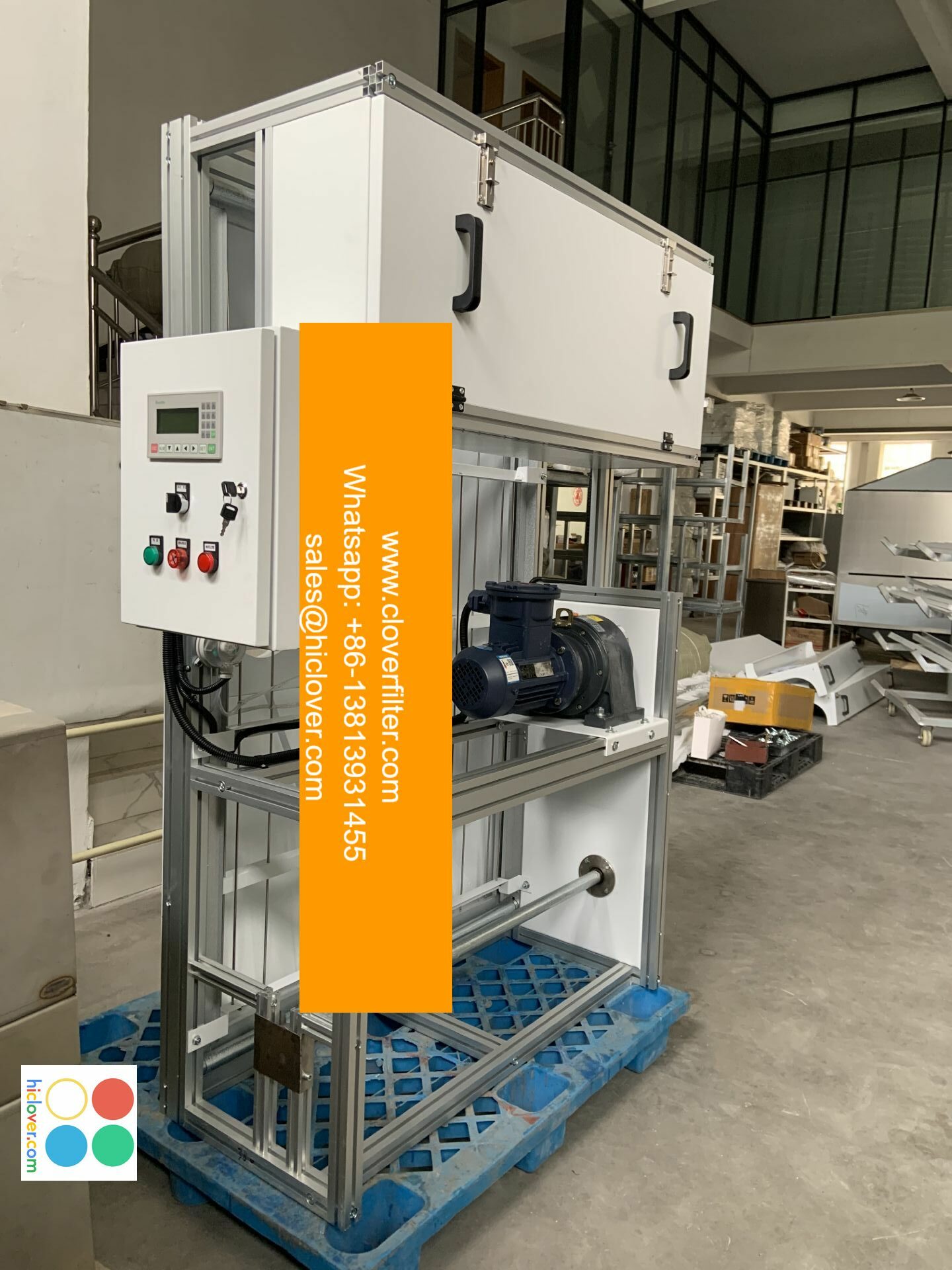
Canada’s electronics sector has been witnessing a significant transformation in recent years, driven by the increasing demand for cleaner and healthier environments. One of the key areas of focus has been the improvement of air quality, which has a direct impact on the health and well-being of individuals working in the sector. In response to this need, automatic roll air filters have emerged as a game-changer, revolutionizing the way air quality is maintained in electronic manufacturing facilities across the country.
The traditional air filtration systems used in the electronics sector have several limitations, including high maintenance costs, low efficiency, and limited scalability. These systems often require manual replacement of filters, which can be time-consuming and labor-intensive. Moreover, they may not be effective in capturing tiny particles and pollutants, which can compromise the quality of the air. Automatic roll air filters, on the other hand, offer a more efficient, cost-effective, and scalable solution for maintaining high-quality air in electronic manufacturing facilities.

These innovative filters use a unique roll-based design, which allows for continuous filtration without the need for manual replacement. The filter media is automatically unwound from a roll, ensuring a consistent and uninterrupted flow of clean air. This design also enables the filters to capture a wider range of particles, including tiny pollutants and contaminants, which can have a significant impact on air quality. Moreover, automatic roll air filters are designed to be highly efficient, with some models capable of capturing up to 99.97% of particles as small as 0.3 microns.
The adoption of automatic roll air filters in Canada’s electronics sector has been driven by the increasing awareness of the importance of air quality in maintaining a healthy and productive work environment. Electronic manufacturing facilities are often characterized by high levels of particles and pollutants, which can arise from various sources, including equipment, materials, and processes. These pollutants can have a significant impact on the health and well-being of workers, causing respiratory problems, allergies, and other health issues. By installing automatic roll air filters, electronic manufacturing facilities can significantly reduce the levels of pollutants in the air, creating a healthier and more productive work environment.
In addition to improving air quality, automatic roll air filters also offer several economic benefits. They are designed to be highly efficient, which means they can help reduce energy costs and minimize waste. Moreover, they require minimal maintenance, which can help reduce labor costs and extend the lifespan of equipment. According to industry estimates, the adoption of automatic roll air filters can result in cost savings of up to 30% compared to traditional air filtration systems.
The rise of automatic roll air filters in Canada’s electronics sector is also being driven by the increasing demand for environmentally sustainable solutions. These filters are designed to be highly eco-friendly, with some models made from recyclable materials and designed for minimal waste. Moreover, they can help reduce the environmental impact of electronic manufacturing facilities by minimizing the amount of pollutants released into the air. As the electronics sector continues to grow and evolve, the adoption of automatic roll air filters is likely to play a critical role in reducing its environmental footprint.
In conclusion, the adoption of automatic roll air filters in Canada’s electronics sector is revolutionizing the way air quality is maintained in electronic manufacturing facilities. These innovative filters offer a more efficient, cost-effective, and scalable solution for maintaining high-quality air, while also providing several economic and environmental benefits. As the sector continues to grow and evolve, it is likely that automatic roll air filters will play an increasingly important role in maintaining a healthy and productive work environment.
FAQs
Q: What are automatic roll air filters, and how do they work?
A: Automatic roll air filters are innovative air filtration systems that use a roll-based design to capture particles and pollutants in the air. They are designed to be highly efficient and require minimal maintenance, making them an ideal solution for electronic manufacturing facilities.
Q: What are the benefits of using automatic roll air filters in electronic manufacturing facilities?
A: The benefits of using automatic roll air filters include improved air quality, reduced energy costs, minimal maintenance, and an environmentally sustainable solution. They can also help reduce the environmental impact of electronic manufacturing facilities by minimizing the amount of pollutants released into the air.
Q: How do automatic roll air filters compare to traditional air filtration systems?
A: Automatic roll air filters offer several advantages over traditional air filtration systems, including higher efficiency, lower maintenance costs, and greater scalability. They are also designed to be more eco-friendly, with some models made from recyclable materials and designed for minimal waste.
Q: Can automatic roll air filters be used in other industries beyond electronics?
A: Yes, automatic roll air filters can be used in a variety of industries, including pharmaceuticals, food processing, and healthcare. They are designed to be versatile and can be adapted to meet the specific needs of different industries and applications.
