Revolutionizing Dairy Processing: The Role of Self-Cleaning Roll Filters
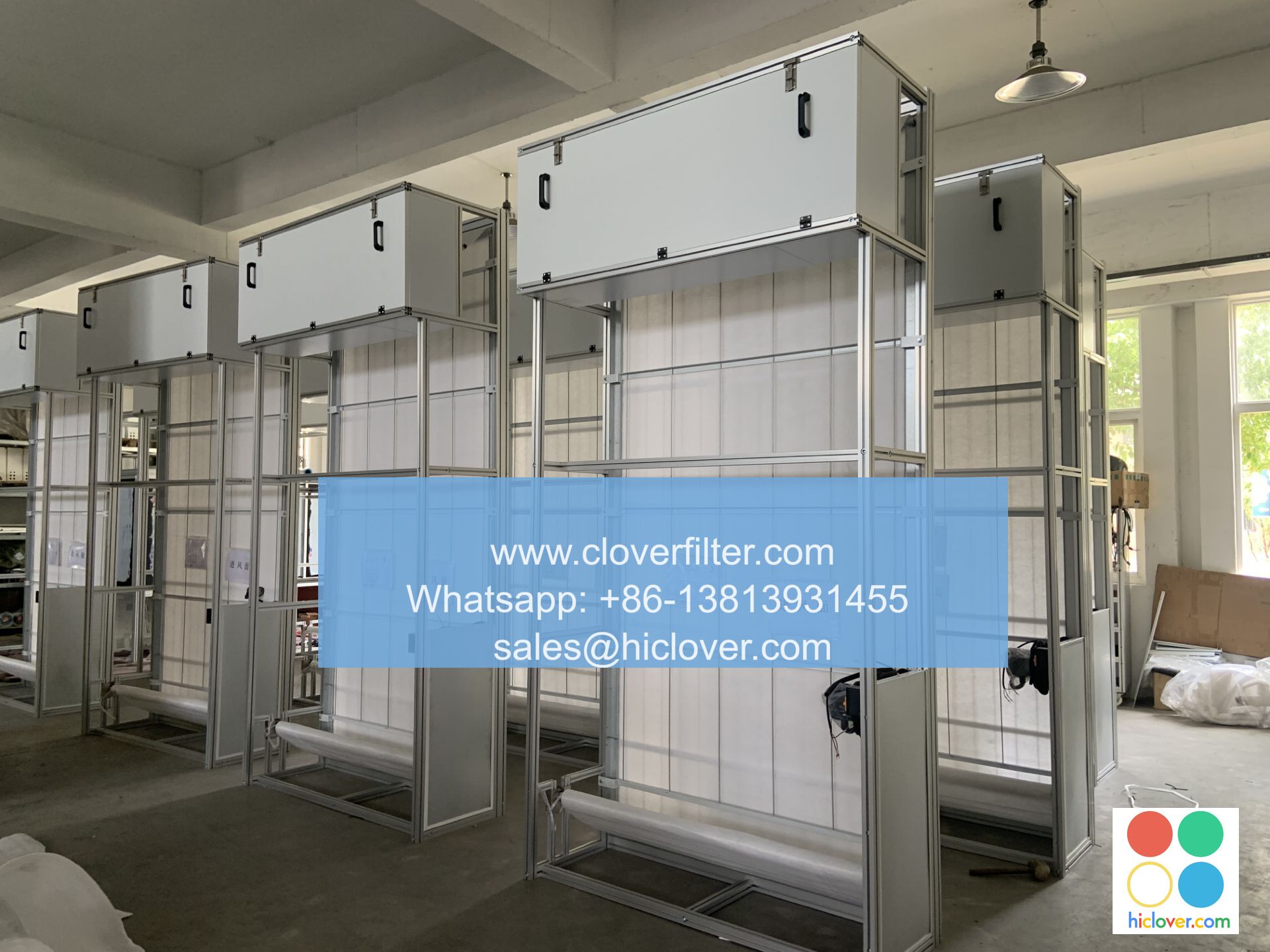
The dairy industry is under continuous pressure to enhance productivity, ensure safety, and improve efficiency while meeting increasing consumer demands. A significant advancement in this sector is the implementation of self-cleaning roll filters. These innovative filtration systems are transforming dairy processing, offering numerous benefits that align with modern sustainability goals.
Understanding Self-Cleaning Roll Filters

Self-cleaning roll filters are designed to separate impurities from liquid products efficiently. Utilizing a rotating drum covered in a fine mesh, these filters can capture solids while allowing liquids to pass through. The self-cleaning mechanism involves a scrubbing action that removes accumulated particles, facilitating continuous operation without the need for manual cleaning.
Key Benefits of Self-Cleaning Roll Filters in Dairy Processing
1. Enhanced Operational Efficiency
One of the primary advantages of self-cleaning roll filters is their capacity to operate continuously without lengthy interruptions. By minimizing downtime usually required for cleaning, dairy plants can significantly increase their throughput and maximize production efficiency.
2. Improved Product Quality
With the ability to remove solids and impurities effectively, these filters contribute directly to enhancing the purity of dairy products. Higher quality filtration results in better tasting products such as milk, cheese, yogurt, and cream, ultimately leading to improved customer satisfaction.
3. Waste Reduction
Self-cleaning roll filters help minimize waste by ensuring that only desired components are retained in the filtration process. As a result, dairy processors can recover valuable components, leading to more efficient use of resources and a decrease in overall waste generation.
4. Sustainability Initiatives
In a world increasingly focused on sustainability, self-cleaning roll filters support dairy manufacturers in their ecological goals. By conserving water and reducing chemical use in cleaning processes, these filters align with the industry’s commitment to reducing its environmental footprint and enhancing sustainability.
Application Areas in Dairy Processing
1. Milk Clarification
Self-cleaning roll filters are extensively utilized in milk clarification processes, removing unwanted particles such as dirt, bacteria, and casein. This step is crucial to ensure the quality of milk before it undergoes pasteurization.
2. Cheese Production
In cheese production, these filters play a key role in separating whey from curds, providing a cleaner and clearer product. The efficiency of self-cleaning roll filters in processing helps maintain batch consistency and improves the overall quality of cheese.
3. Yogurt Manufacturing
During yogurt processing, maintaining product integrity is vital. Self-cleaning roll filters aid in the removal of foreign particles, thereby enhancing the creamy texture and taste of yogurt products.
The Future of Dairy Processing
As the dairy industry evolves, the integration of innovative technologies like self-cleaning roll filters is set to revolutionize processing methods. This transformation not only dramatically enhances operational efficiency but also aligns with consumer demands for high-quality, sustainably produced dairy products.
In conclusion, self-cleaning roll filters are at the forefront of modern dairy processing, driving improvements across various application areas. As their adoption continues to grow, the dairy industry stands to benefit immensely from the efficiency, sustainability, and quality that these advanced filtration systems deliver.
It seems like you might want to provide a specific prompt for me to help you with! Please share any details or context you’d like, and I’ll do my best to assist you.
