Revolutionizing Pharmaceutical Logistics: The Role of Automatic Roll Dust Intake
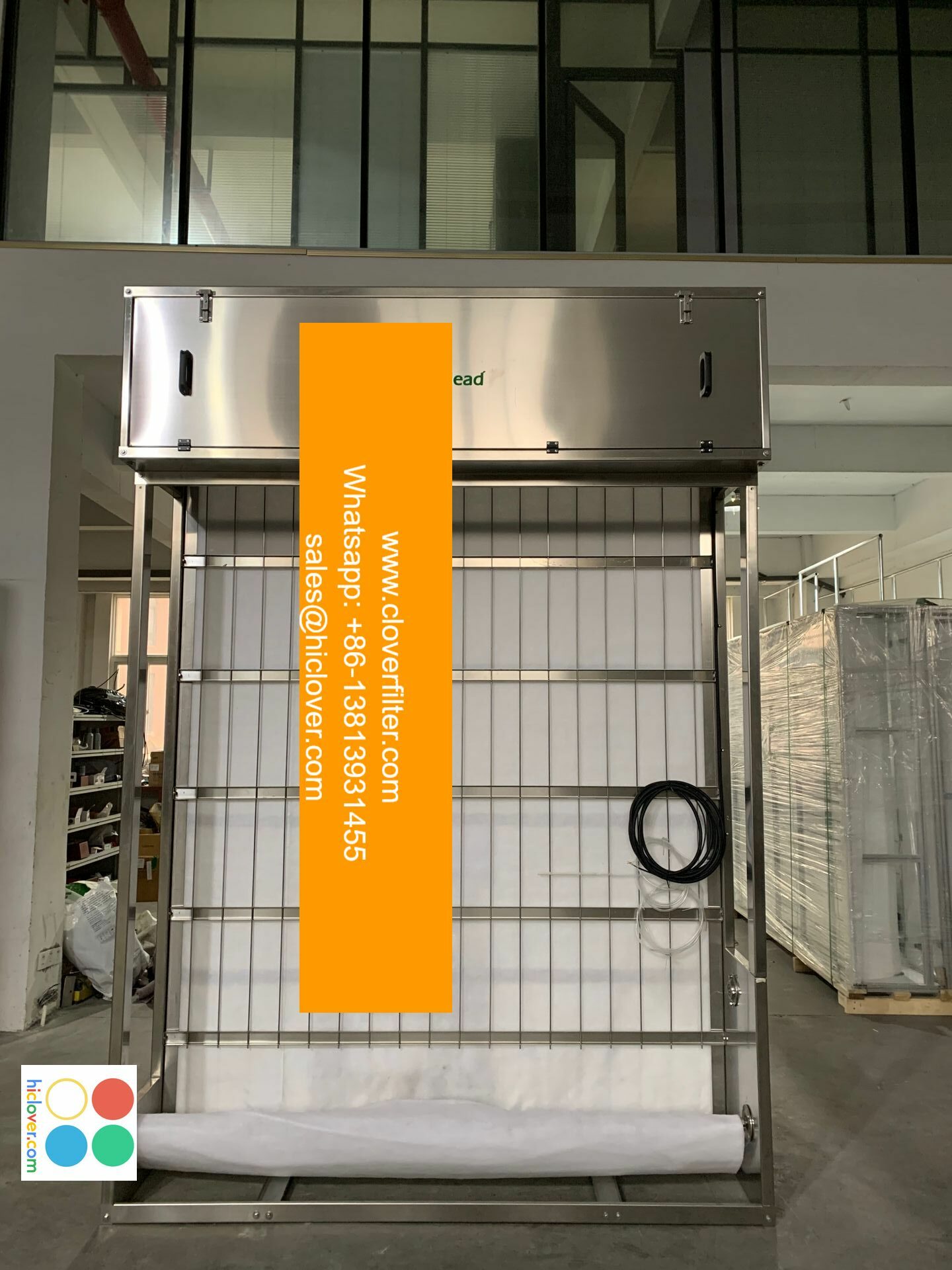
In the ever-evolving world of pharmaceutical logistics, maintaining the integrity of products during their journey from manufacturer to consumer is paramount. One groundbreaking innovation making waves in this field is the implementation of Automatic Roll Dust Intake (ARDI) systems. This technology is revolutionizing how logistics companies manage dust contamination, thereby enhancing product safety, compliance, and operational efficiency.
Understanding Automatic Roll Dust Intake

Automatic Roll Dust Intake refers to a cutting-edge solution that efficiently removes dust particles from pharmaceutical products during packing and shipping processes. By utilizing advanced sensors and automation technology, ARDI systems effectively monitor and manage airborne contaminants in multiple stages of the logistics chain.
How ARDI Works
The ARDI system operates using several key components, including:
- High-Efficiency Particulate Air (HEPA) Filters: These filters capture even the tiniest airborne particles, ensuring a sterile environment.
- Automated Dust Detection Sensors: Equipped with real-time monitoring capabilities, these sensors assess dust levels within storage and transport areas.
- Automated Roll Systems: These systems facilitate the smooth transition of pharmaceutical products from one stage to another while maintaining cleanliness and safety standards.

Key Benefits of Implementing ARDI in Pharmaceutical Logistics
The integration of ARDI systems within pharmaceutical logistics offers several compelling advantages:
Enhanced Product Integrity
By minimizing dust contamination, ARDI ensures that medication remains pure and effective. This is particularly crucial for sensitive pharmaceutical products, such as injectables and biologics, which are vulnerable to contamination during transport.
Compliance with Regulatory Standards
Pharmaceutical companies must adhere to stringent regulations set by agencies like the FDA and EMA. Implementing ARDI helps meet these regulations by maintaining Controlled Environment conditions, reducing the risk of contamination, and facilitating compliance audits.
Improved Operational Efficiency
With automated systems in place, the need for manual dust control is significantly reduced. This leads to faster processing times, lowering labor costs and improving overall logistics efficiency. Consequently, companies can focus on more critical areas of their operations, such as optimizing delivery routes or enhancing customer service.
Application Areas of ARDI Technology
The impact of Automatic Roll Dust Intake technology stretches across various sectors within the pharmaceutical industry:
1. Warehousing and Storage
In storage facilities, ARDI systems create a clean environment, ensuring that airborne contaminants do not compromise the integrity of stored products. This is particularly vital in climate-controlled warehouses where specific conditions must be maintained.
2. Distribution Centers
As products move from warehouse to distribution centers, ARDI technologies ensure that dust does not interfere with the packaging or labeling processes, maintaining compliance with regulatory standards.
3. Transportation
During transportation, maintaining cleanliness is essential. ARDI systems integrated into transport vehicles can actively monitor air quality and maintain a dust-free environment throughout the journey, protecting sensitive shipments.
4. Manufacturing Facilities
In manufacturing environments, ARDI can be applied to the packing zones, where medications and other pharmaceutical products are prepared for shipping. This ensures that they are safeguarded against potential contamination right from the source.
Future Prospects and Industry Trends
As the pharmaceutical landscape continues to adapt to new challenges—such as an increased focus on biologics, personalized medicine, and the global pandemic’s lingering effects—the demand for sophisticated logistics solutions like ARDI will only grow. With advancements in artificial intelligence and IoT technologies, the future of pharmaceutical logistics is poised for even greater enhancements.
Conclusion
In conclusion, Automatic Roll Dust Intake plays a transformative role in the pharmaceutical logistics industry by mitigating dust contamination, improving regulatory compliance, and enhancing operational efficiency. As companies increasingly prioritize product integrity and safety, innovations like ARDI will undoubtedly shape the future of pharmaceutical logistics, paving the way for safer and more reliable delivery of essential medical products. By understanding and leveraging these advancements, pharmaceutical companies can maintain their commitment to quality and excellence in service delivery.
It seems like you may have intended to ask a question or provide more context for a prompt. Could you please elaborate or let me know how I can assist you?
