Roll Dust Filters: A Necessity for Aviation Catering in Coastal Environments

In the aviation catering industry, maintaining a clean and safe food preparation environment is paramount, especially in coastal environments. Here, the blend of sand, salt, and moisture poses unique challenges that can impact food safety and equipment longevity. As a result, roll dust filters have become an essential tool in ensuring that aviation kitchen facilities meet the highest standards of cleanliness and hygiene.
The Importance of Cleanliness in Aviation Catering
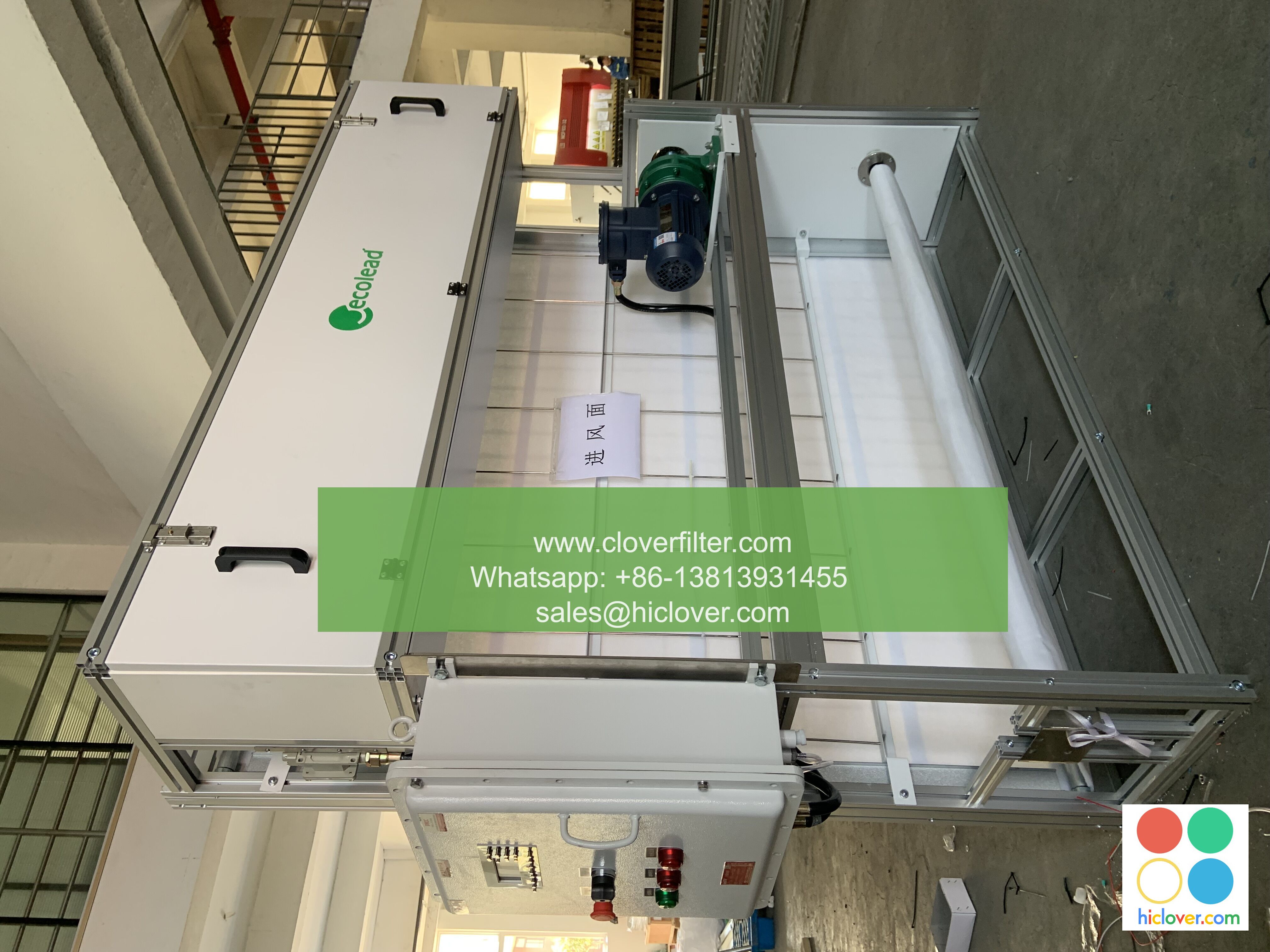
Aviation catering services cater to thousands of passengers daily, providing meals that are not only nutritious but also safe. The incorporation of effective air filtration systems, particularly roll dust filters, is critical in ensuring that airborne contaminants do not compromise food quality. A clean kitchen environment helps in:
- Preventing food contamination
- Protecting equipment from corrosion and damage
- Enhancing employee health and safety
How Roll Dust Filters Work
Roll dust filters are designed to capture airborne particles, dust, and allergens, making them ideal for aviation catering operations located in coastal areas. These filters work by:
- Air Filtration: Mounted to ventilation systems, they trap dust and pollutants that can contaminate food environments.
- Moisture Resistance: Crafted to withstand high humidity and corrosiveness typical of coastal environments.
- Easy Maintenance: Roll design allows for quick replacement and maintenance, minimizing downtime.
Applications of Roll Dust Filters in Aviation Catering
Roll dust filters serve multiple purposes in the aviation catering industry, particularly in coastal operations:
- Air Conditioning Systems: Ensuring clean air circulates in food preparation areas.
- Food Storage Areas: Protecting ingredients from airborne pollutants.
- Onboard Catering Equipment: Maintaining the cleanliness of ovens and other cooking apparatus.
Benefits of Implementing Roll Dust Filters
Integrating roll dust filters into aviation catering facilities provides several significant benefits:
- Improved Air Quality: Ensures a hygienic atmosphere conducive to food preparation.
- Enhanced Equipment Longevity: Reduces the risk of equipment damage caused by corrosion and dirt build-up.
- Regulatory Compliance: Meets safety and cleanliness standards set forth by aviation regulatory bodies.
Conclusion
In summation, roll dust filters are not just an accessory but a necessity for aviation catering operations, especially in coastal environments. Their ability to combat airborne contaminants while ensuring optimal air quality can significantly enhance food safety and operational efficiency. As the aviation catering industry continues to evolve, investing in robust air filtration solutions will remain a decisive factor in maintaining quality service and ensuring passenger safety.
Sure! What would you like to know or discuss? If you have a specific prompt in mind, please share it, and I’ll be happy to help!
