Roll Filter Units vs. Traditional Filters: Which Is Best for Your Chemical Blending Room?

Introduction
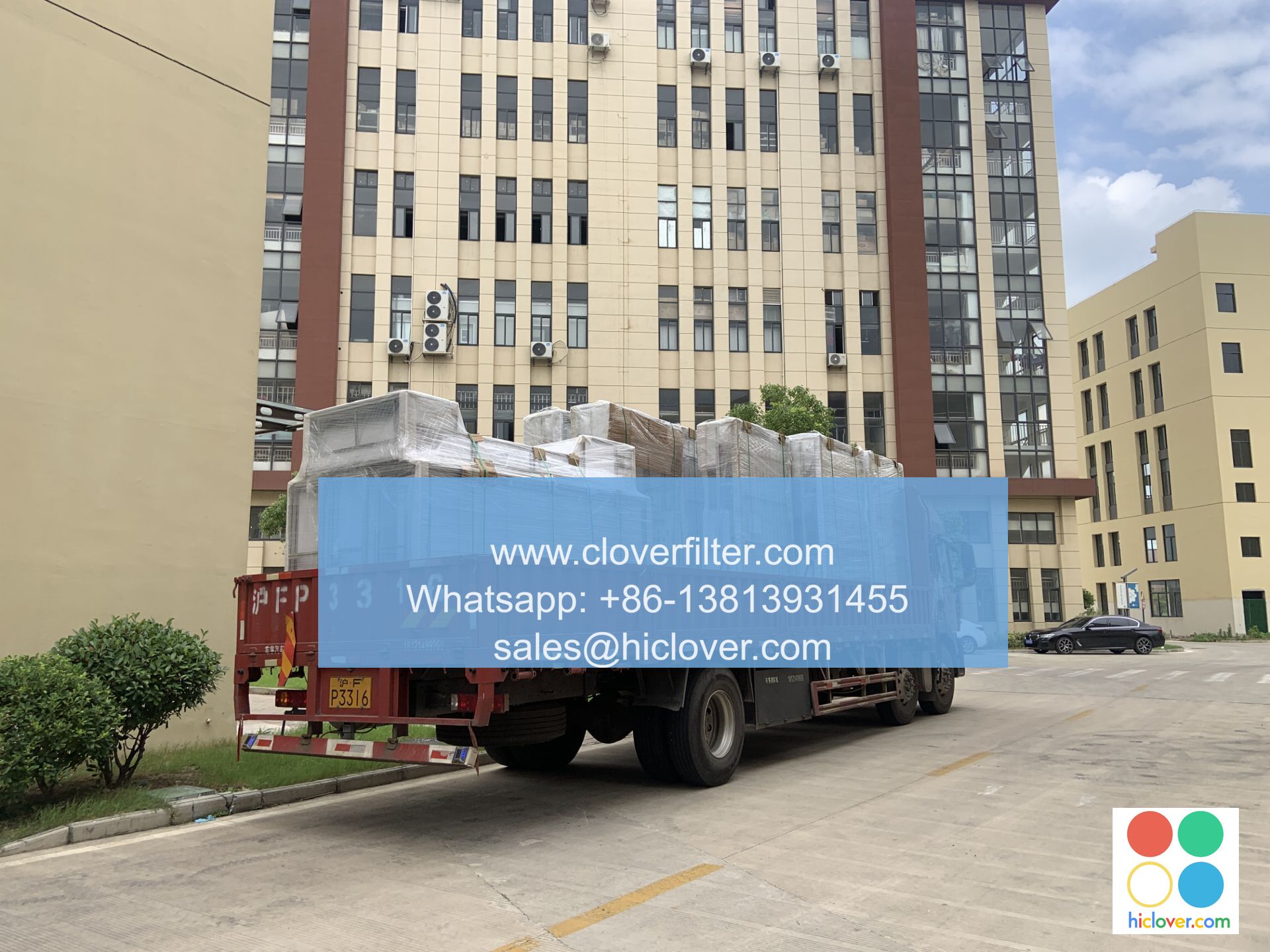
In the world of chemical blending, filtration plays a crucial role in ensuring product quality and operational efficiency. As industries evolve, the debate between roll filter units and traditional filters has gained attention. This article examines their differences, applications, and which may be best suited for your chemical blending room.
Understanding Roll Filter Units
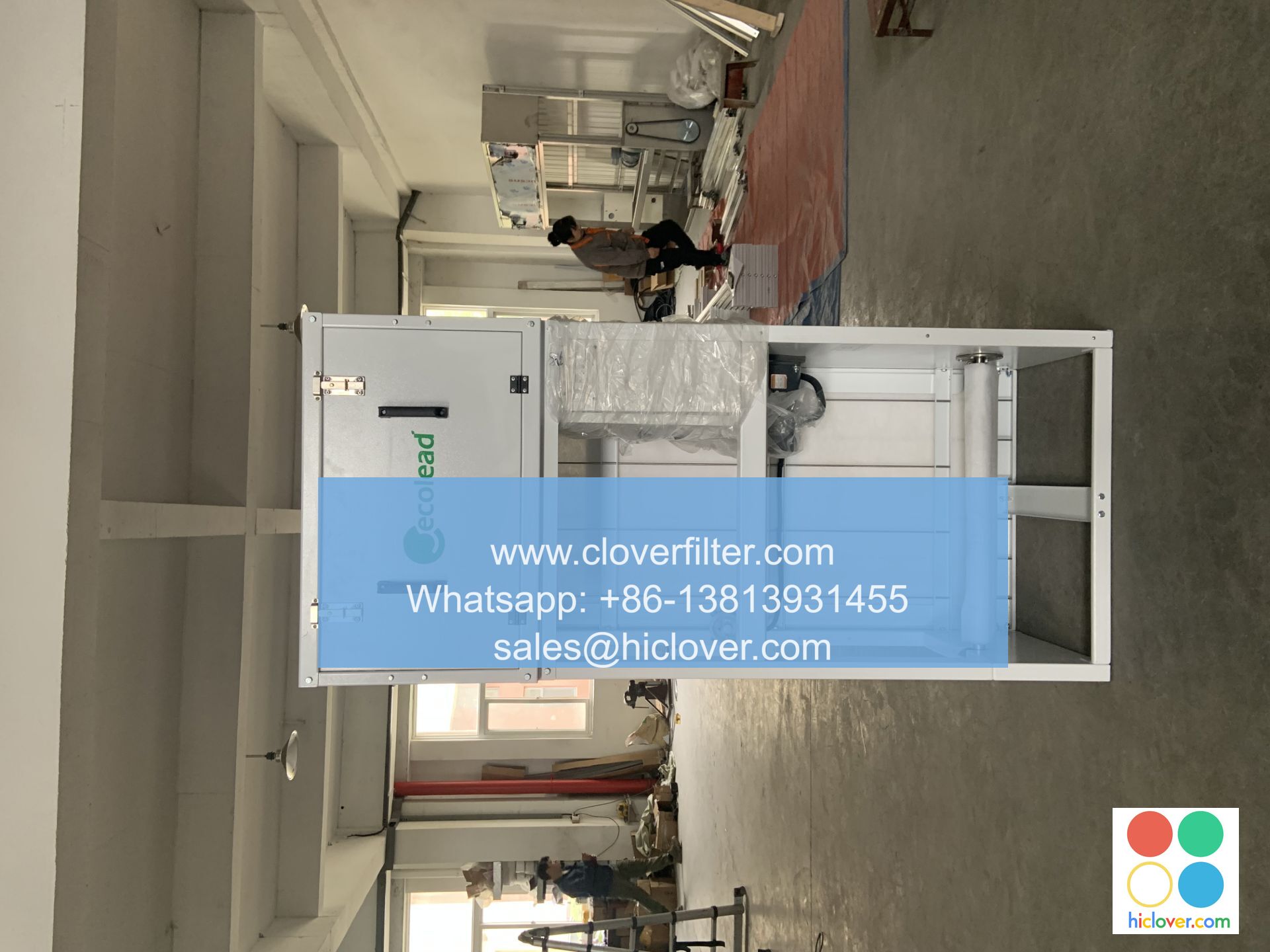
Roll filter units are advanced filtration systems that utilize a continuous roll of filter media. These units offer several benefits, making them a popular choice in modern chemical blending:
- High Efficiency: Roll filters are known for their ability to remove contaminants effectively, ensuring a cleaner final product.
- Space-Saving Design: Their compact size allows for easier installation in small blending rooms without compromising filtration quality.
- Reduced Downtime: The continuous nature of roll filter units minimizes changeover times, thus maintaining production flow.
- Established Technology: Traditional filters have a long history of reliable performance across various industries.
- Cost-Effective: Generally, these filters have lower initial purchase costs, making them an attractive option for smaller operations.
- Easy Replacement: Changing out filter media is straightforward, allowing operators to maintain filtration standards easily.
- Pharmaceuticals: For strict contamination control, roll filter units often deliver superior results.
- Chemical Manufacturing: For many processes, traditional filters can effectively manage filtration needs at lower costs.
- Food and Beverage: Here, both types of filters are utilized, but roll filters may be favored for high-volume operations.
- Water Treatment: Roll filter units provide high-flow capacities, making them ideal for large-scale applications.
- Filtration Requirements: Assess the degree of filtration needed for your specific chemicals.
- Budget Constraints: Consider initial investment versus long-term operational costs.
- Space Limitations: Analyze the layout of your blending room and the available space for installation.
- Maintenance Capabilities: Factor in the level of maintenance your team is equipped to handle.
Exploring Traditional Filters
Traditional filters, such as bag filters and cartridge filters, have been the standard in chemical filtration for decades. Here are some key features:
Key Application Areas
When choosing between roll filter units and traditional filters, consider the specific application areas:
Factors to Consider for Your Blending Room
Deciding between roll filter units and traditional filters involves evaluating several factors:
Conclusion
Both roll filter units and traditional filters present unique advantages in chemical blending applications. The best choice for your blending room ultimately depends on your specific requirements, budget, and operational capabilities. By weighing these factors carefully, you can optimize your filtration solution and enhance your blending processes.
It looks like you entered “Prompt” without any additional context. How can I assist you today? Do you need a writing prompt, information, or assistance with something specific?
