Roll Filters vs. Traditional Filters: A Comparative Analysis for Kenyan Dairy Operations

The Kenyan dairy industry is a vital sector, contributing significantly to the country’s economy and nutrition. As a result, efficient management of dairy operations is crucial, particularly concerning milk processing and hygiene. Key components of this management include filtration systems. This article explores the two prominent filtration technologies—Roll Filters and Traditional Filters—and their application in Kenyan dairy operations.
Understanding Roll Filters and Traditional Filters
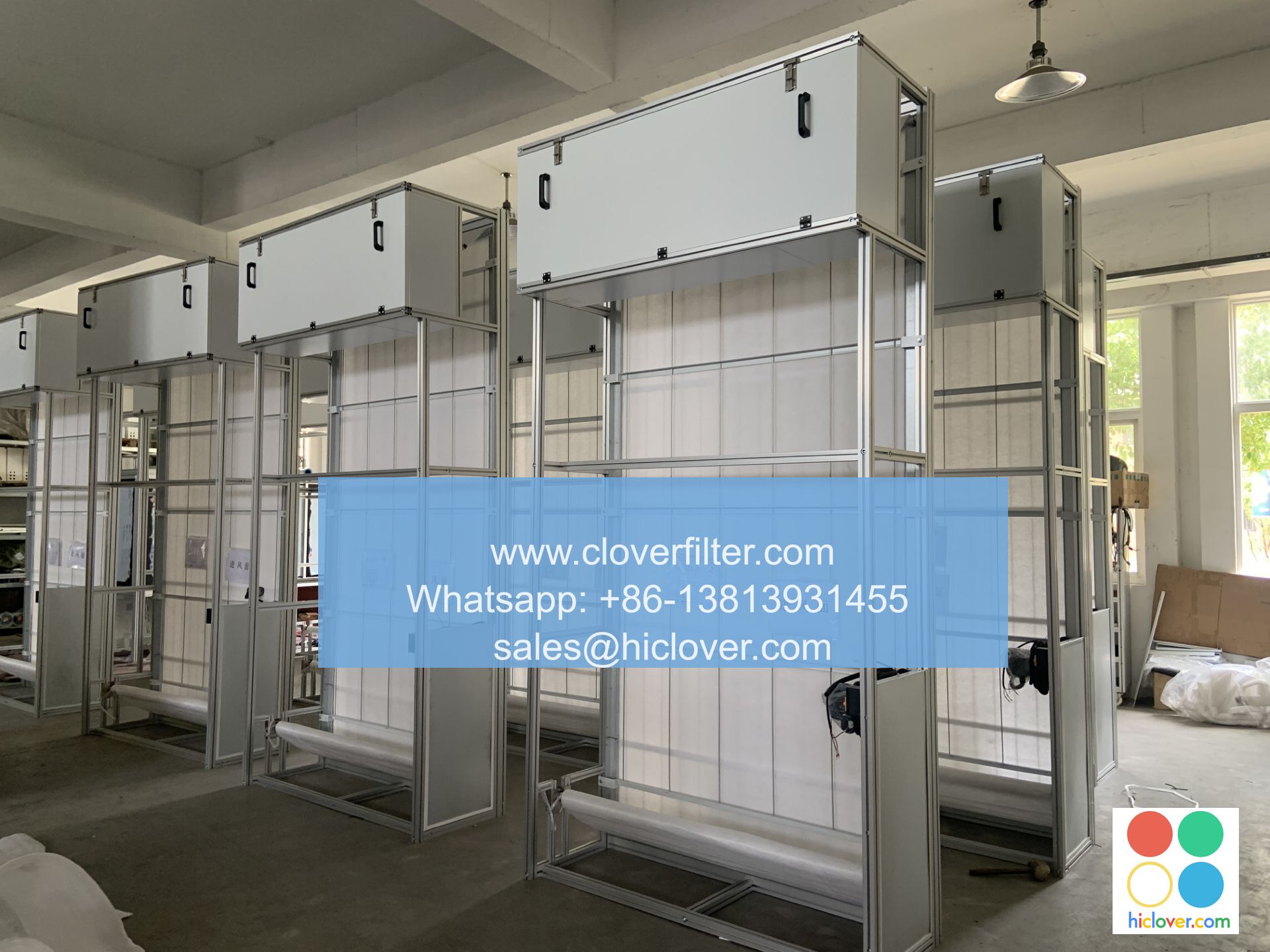
Roll Filters
Roll filters are modern filtration systems that utilize a continuous roll of filter media to separate solids from liquids. They are characterized by their high efficiency, low maintenance, and ability to handle varying flow rates. Roll filters typically consist of:
- Filter Media: Continuous rolls made of non-woven materials.
- Automatic Cleaning Mechanism: Ensures consistent performance without manual intervention.
- Compact Design: Saves space within dairy processing facilities.
Traditional Filters

Traditional filters commonly used in the dairy industry include plate filters, cartridge filters, and sand filters. These systems have been in service for many years and can effectively remove larger particles but may come with significant drawbacks:
- Manual Cleaning Requirements: Regular maintenance can be labor-intensive.
- Lower Efficiency: May not achieve the same level of clarity as roll filters.
- Space Consumption: Generally, bulkier and less adaptable to small-scale operations.
Comparative Analysis
Efficiency
One of the most significant advantages of Roll Filters is their efficiency. With better filtration and reduced clogging, they can effectively maintain a continuous milk processing flow. In contrast, Traditional Filters may struggle with efficiency during peak operational hours, necessitating more frequent replacements and cleaning.
Maintenance and Operation
Roll filters often come with automatic cleaning systems, requiring little manual interference, which is beneficial for Kenyan dairy farmers with limited labor resources. Traditional filters, however, demand manual cleaning and more time investment, potentially leading to operational delays.
Cost Implications
While initial costs for roll filters might be higher than traditional filters, the reduced labor costs, lower water usage for cleaning, and minimal replacement frequency can lead to overall savings. Kenyan dairy operations must consider total cost ownership rather than just upfront costs when selecting filtration systems.
Adaptability and Size
Many Kenyan dairy farms are small to medium-sized operations. Roll filters are usually more compact and require less space, making them ideal for smaller venues that cannot afford extensive infrastructure changes. Traditional filters may be difficult to integrate into smaller processing areas.
Application Areas
Both roll filters and traditional filters have their specific applications in various parts of the dairy processing chain:
Milk Processing
For milk processing, where hygiene is paramount, roll filters provide consistently cleaner milk, reducing the risk of contamination. Traditional filters might be used for pre-filtration but can often struggle to maintain quality.
Waste Management
In terms of waste management, roll filters excel in separating solids from liquid dairy waste, producing cleaner effluent for disposal. Traditional filters may not efficiently handle the increased volumes of waste from larger operations.
Product Clarity and Quality
With dairy products, clarity and quality directly affect marketability. Roll filters contribute significantly to achieving higher clarity standards in products like cheese and yogurt. Traditional filters may not meet these stringent quality demands, especially for high-end markets.
Conclusion
In the ever-evolving landscape of the Kenyan dairy industry, the choice between roll filters and traditional filters hinges on various factors, including efficiency, maintenance, cost, and adaptability. While each system has its merits, roll filters emerge as a more advantageous option for modern Kenyan dairy operations, emphasizing sustainability and quality. As the industry continues to grow, embracing new technologies like roll filters may be vital for enhancing productivity and ensuring the market competitiveness of Kenyan dairy products.
It seems like your message got cut off! Could you please provide more details or specify what you would like to know or discuss? I’m here to help!
