Samsung Tijuana’s Journey to Cleaner Air: Implementing Automatic Roll Air Filters
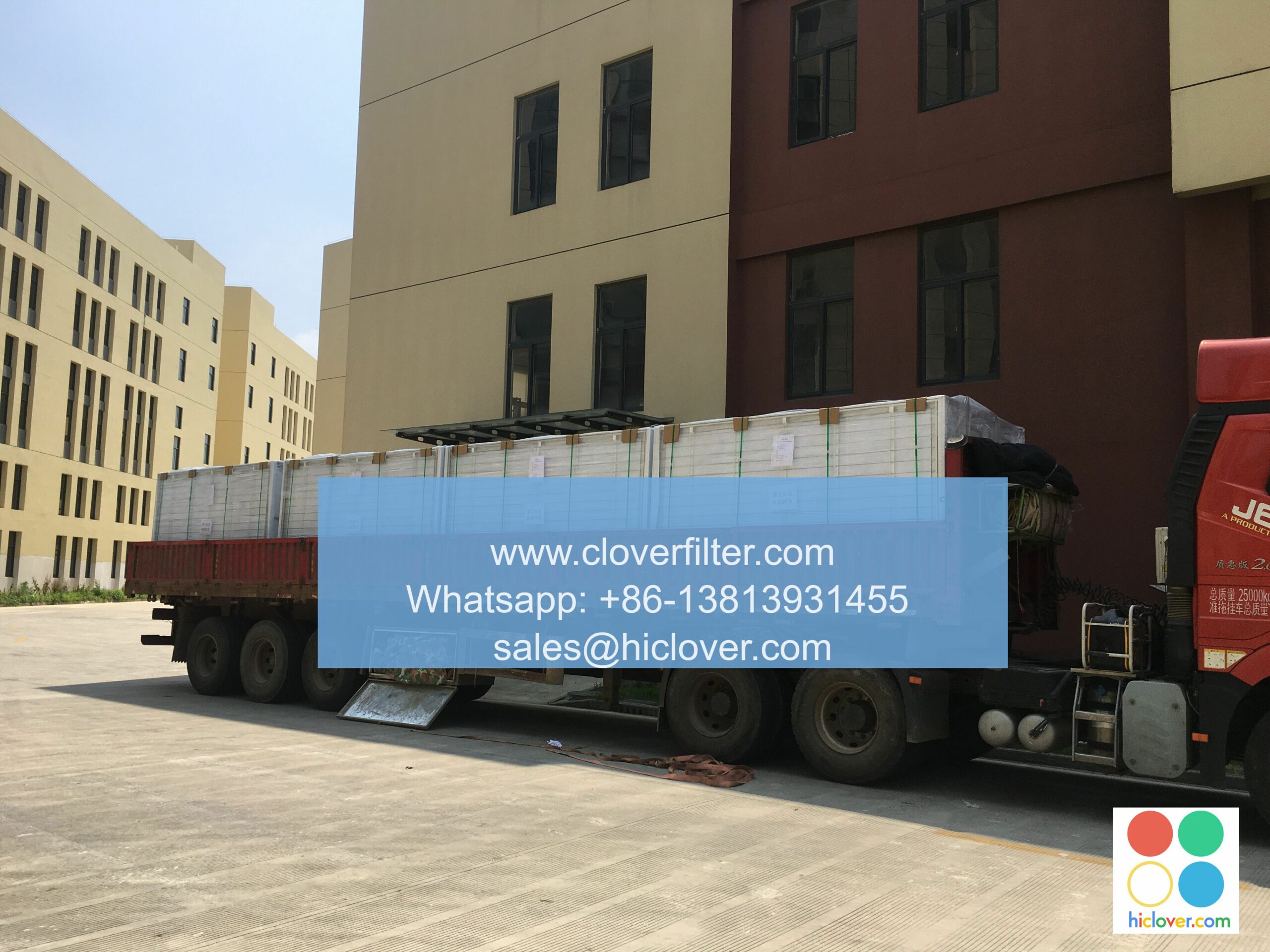
Samsung’s manufacturing facility in Tijuana, Mexico, has embarked on a mission to improve indoor air quality by installing state-of-the-art automatic roll air filters. This initiative is part of the company’s broader commitment to sustainability and environmental responsibility, aiming to minimize its ecological footprint while promoting a healthier and more productive work environment.
Introduction to Automatic Roll Air Filters
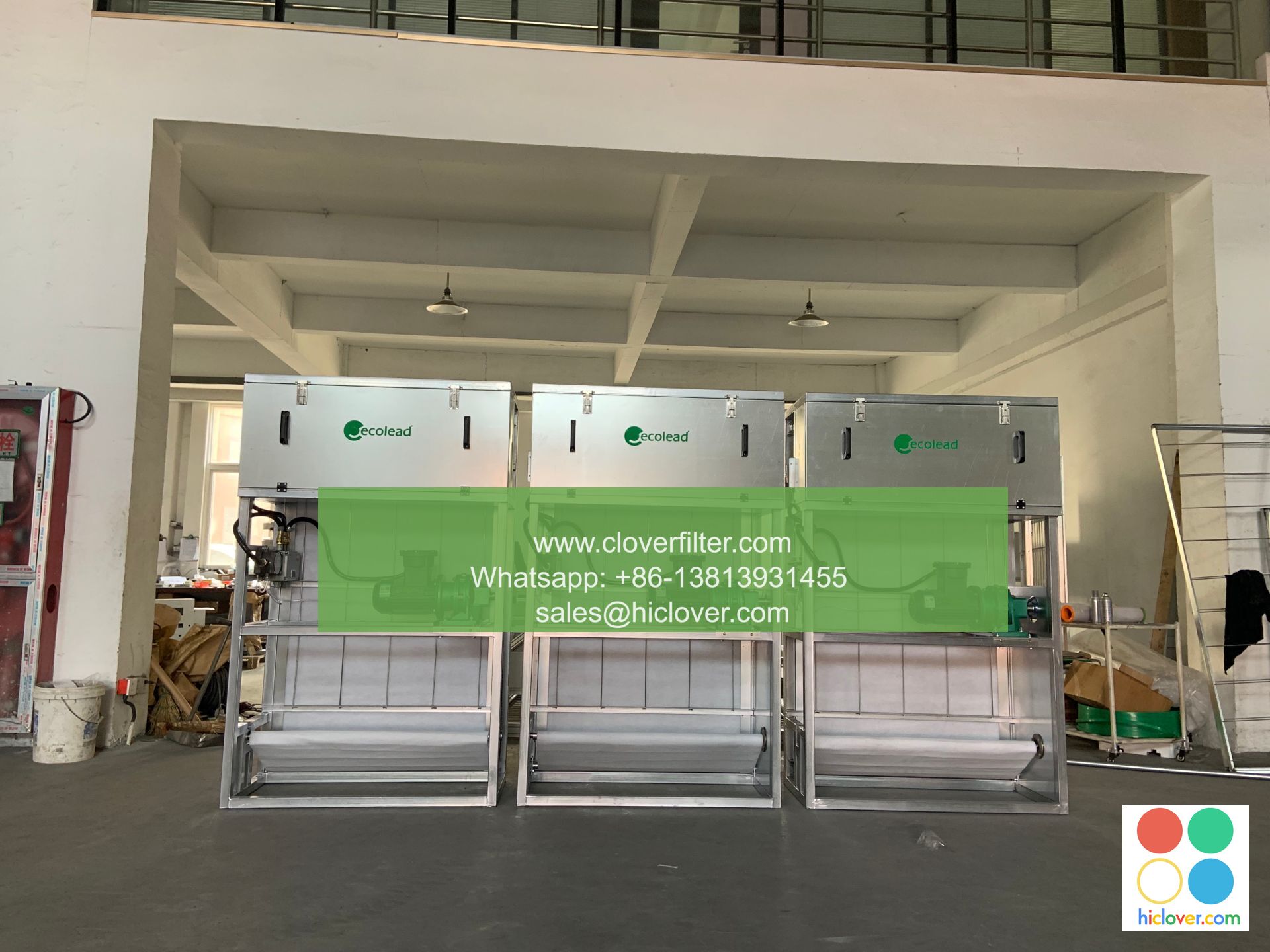
Automatic roll air filters are a type of air filtration system designed to provide continuous and efficient air purification. These filters use a rolling mechanism to automatically replace the filter media, ensuring consistent air quality and minimizing maintenance downtime. By leveraging this technology, Samsung Tijuana aims to reduce airborne contaminants, such as particulate matter (PM), volatile organic compounds (VOCs), and nitrogen dioxide (NO2), which can have adverse effects on human health and environmental well-being.
Key Application Areas
The implementation of automatic roll air filters at Samsung Tijuana has far-reaching implications for various aspects of the facility’s operations. Some of the key application areas include:
* Manufacturing processes: By maintaining cleaner air, Samsung can improve the quality and yields of its products, reducing the risk of contamination and defects.
* Employee health and safety: Cleaner air contributes to a healthier work environment, reducing the risk of respiratory problems and other airborne diseases.
* Energy efficiency: Automatic roll air filters can help reduce energy consumption by minimizing the need for frequent filter replacements and heating, ventilation, and air conditioning (HVAC) system maintenance.
* Waste reduction: The automatic roll air filter system generates less waste compared to traditional filter systems, aligning with Samsung’s sustainability goals.
Benefits and Results
The implementation of automatic roll air filters at Samsung Tijuana has yielded significant benefits, including:
* Improved indoor air quality: The facility has seen a substantial reduction in airborne contaminants, creating a healthier environment for employees and visitors.
* Increased energy efficiency: The automatic roll air filter system has contributed to a decrease in energy consumption, resulting in cost savings and a reduced carbon footprint.
* Enhanced product quality: The cleaner air has improved the quality and yields of Samsung’s products, reducing the risk of contamination and defects.
Conclusion
Samsung Tijuana’s journey to cleaner air is a testament to the company’s commitment to sustainability, environmental responsibility, and employee well-being. By implementing automatic roll air filters, the facility has improved indoor air quality, increased energy efficiency, and enhanced product quality. This initiative serves as a model for other manufacturing facilities, highlighting the importance of air filtration systems in promoting a healthier, more productive, and sustainable work environment. As Samsung continues to prioritize environmental stewardship and social responsibility, its commitment to cleaner air will have a lasting impact on the health, well-being, and success of its employees, customers, and the environment.
