Self-Cleaning Roll HVAC Filters: The Future of Efficient Climate Control
Introduction
As climate change continues to challenge global sustainability, industries are increasingly seeking efficient solutions for indoor air quality and energy usage. One notable innovation is the self-cleaning roll HVAC filter, which promises to revolutionize how we manage air quality in various settings. In this article, we explore the benefits, functionalities, and application areas of this cutting-edge technology.

What are Self-Cleaning Roll HVAC Filters?
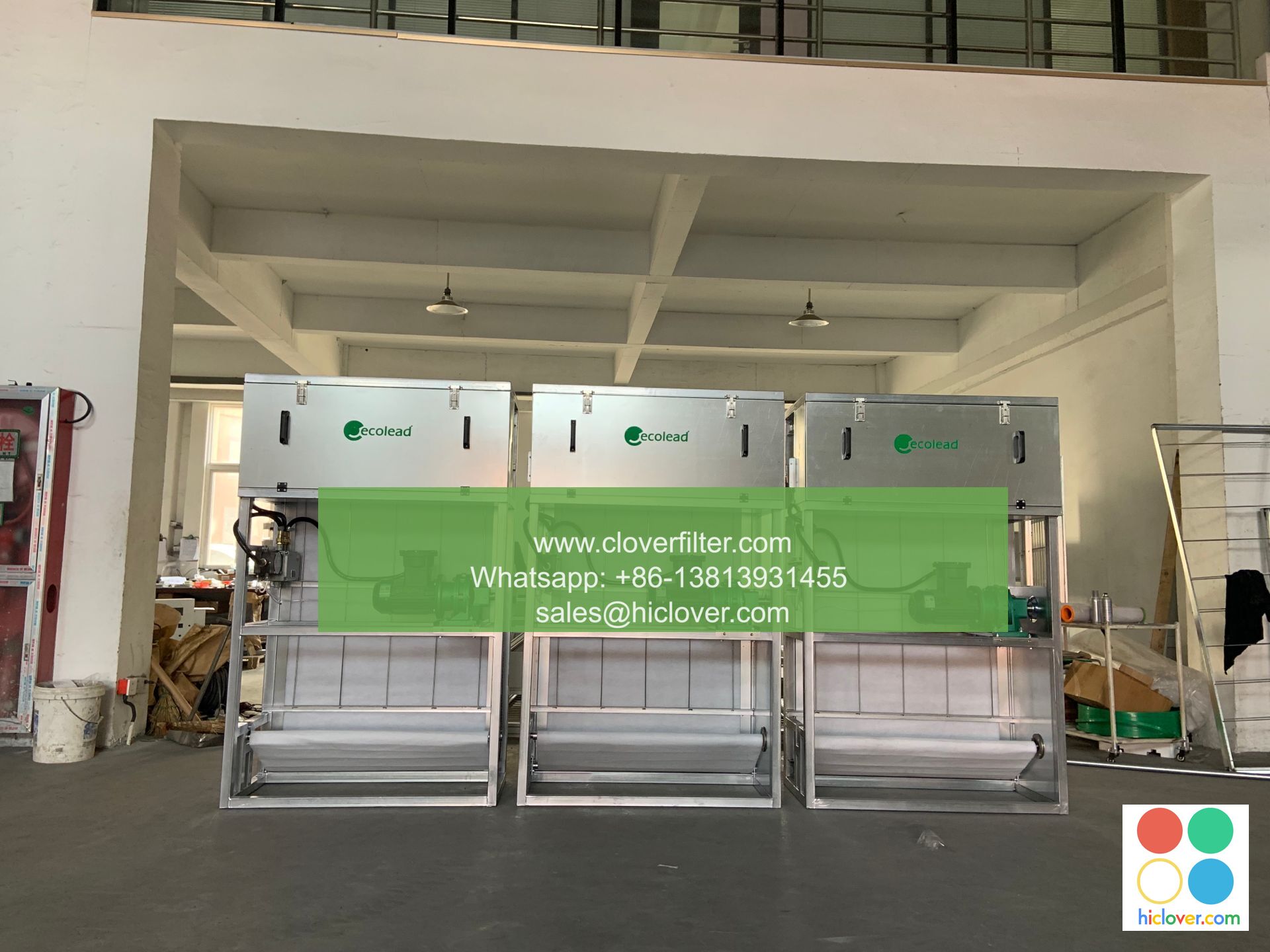
Self-cleaning roll HVAC filters are advanced filtration systems designed to automate the cleaning process of HVAC systems. By utilizing a series of innovative mechanisms, these filters eliminate the need for manual replacements, ensuring optimal performance without constant maintenance. This not only enhances air quality but also maximizes energy efficiency.
Key Benefits of Self-Cleaning Roll HVAC Filters
1. Enhanced Efficiency
Self-cleaning filters provide significant energy savings by maintaining optimal airflow and pressure drop across the HVAC system. This leads to reduced strain on HVAC units, translating into lower energy bills.
2. Improved Air Quality
These systems continuously remove contaminants, dust, and allergens from the air. By ensuring a consistently high standard of air quality, self-cleaning filters are especially beneficial in environments such as hospitals, schools, and residential areas.
3. Reduced Maintenance Costs
Traditional HVAC systems require frequent filter replacements and maintenance. With self-cleaning roll filters, costs associated with maintenance are significantly lowered, allowing businesses to allocate resources toward other critical areas.
Applications of Self-Cleaning HVAC Filters
1. Commercial Buildings
In commercial spaces where high foot traffic is common, maintaining indoor air quality is essential. Self-cleaning filters can help businesses maintain compliance with health regulations, improve employee productivity, and enhance customer experiences.
2. Industrial Facilities
Manufacturing plants and industrial facilities often generate significant amounts of airborne pollutants. Self-cleaning filters help control the levels of dust, smoke, and other hazardous materials, contributing to a safer working environment.
3. Residential Applications
Homeowners can benefit from improved air quality through the installation of self-cleaning HVAC filters. These filters are particularly effective for families with allergy sufferers or pets, providing peace of mind regarding indoor air cleanliness.
4. Healthcare Facilities
In settings such as hospitals and clinics, where maintaining sterile environments is critical, self-cleaning roll HVAC filters play a vital role in preventing cross-contamination and ensuring patient safety. They help in reducing hospital-acquired infections (HAIs) significantly.
The Technology Behind Self-Cleaning Roll HVAC Filters
The self-cleaning capabilities of these filters stem from advancements in sensor technology, automated cleaning mechanisms, and filter media design. Sensors detect the level of dust accumulation and trigger an automated cleaning cycle that can utilize air or water to dislodge particles without needing to remove the filter from the system.
Conclusion
Self-cleaning roll HVAC filters represent a leap forward in climate control technology, offering unparalleled efficiency and improved air quality across a multitude of applications. As we move towards a future focused on sustainability and health, investing in such innovative solutions is not just optional but essential for both commercial and residential environments.
It seems like your message got cut off! Could you please provide more details or clarify what you need help with?
