Self-Cleaning Roll Intake Filters: Ensuring Cleanliness in Food Genomics

Introduction to Self-Cleaning Filters
In the rapidly advancing field of food genomics, maintaining optimal levels of cleanliness and safety is paramount. One of the most innovative solutions to ensure that cleanliness is upheld is the introduction of self-cleaning roll intake filters. This technology not only enhances the purity of food products but also streamlines processing in various application areas like agrigenomics, food safety testing, and genetic research.
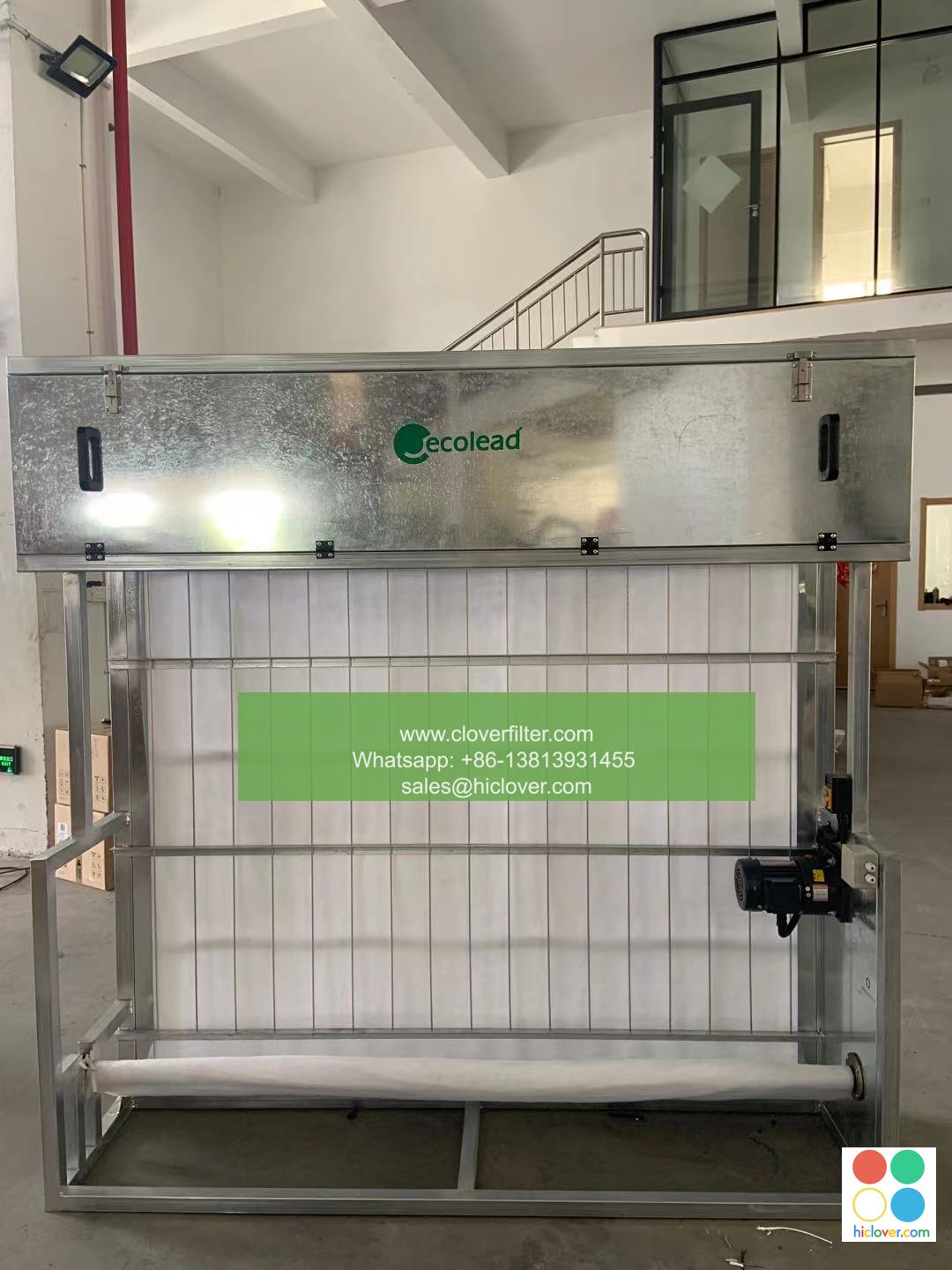
How Self-Cleaning Roll Intake Filters Work
Self-cleaning filters utilize a unique mechanism that continuously removes contaminants from the filtration medium. This technology relies on the principle of automated cleaning cycles, which involve backwashing or reverse flows to dislodge particles and keep the filter media clean. As dirt and debris accumulate, these filters activate their self-cleaning process, ensuring that filtration efficiency remains high without the need for manual intervention.
Benefits of Self-Cleaning Roll Intake Filters
- Consistency: Ensured consistent filtration quality contributes to reliable results in food analysis and genomic applications.
- Cost-Effectiveness: Reduced downtime and maintenance costs make these filters a highly economical choice for laboratories and processing facilities.
- Enhanced Safety: Improved filtration efficiency leads to safer food products, which is critical in the context of food genomics.
- Versatility: Suitable for various liquid and semi-liquid foods, these filters adapt easily to different processing requirements.
Application Areas in Food Genomics
The role of self-cleaning roll intake filters is crucial across numerous sectors within food genomics. Here are some key application areas:
Agrigenomics
In agrigenomics, where the genetic traits of crops are analyzed and modified, maintaining a sterile environment is essential. Self-cleaning filters contribute significantly by purifying water and nutrients, thereby ensuring untainted growth conditions for genetically modified organisms (GMOs).
Food Safety Testing
In laboratories focused on food safety testing, self-cleaning roll intake filters help eliminate microscopic pollutants and pathogens. This is particularly important in ensuring that samples are free from contamination, thus providing accurate readings during microbial analysis.
Genetic Research
Genetic research on food crops and livestock heavily relies on clean, uncontaminated samples. Self-cleaning filters streamline the preparation of samples by ensuring only pure compositions enter the analytical phase, thus enhancing the reliability of research outcomes.
Conclusion
The advent of self-cleaning roll intake filters marks a significant improvement in the realm of food genomics. Their capability to ensure cleanliness across various application areas not only enhances food safety but also advances research in genetic engineering and analysis. As the food industry continues to innovate, the integration of self-cleaning filtration technologies will be essential for sustainable and safe food production.
It looks like you entered “Prompt”, but I’m not sure what you would like to discuss or do with that. Could you please provide more details or specify what kind of prompt you are looking for? Whether it’s a writing prompt, a question, or something else, I’m here to help!
