Signs Your Air Filter Needs Changing: A Comprehensive Guide

Key Takeaways
- Monitor airflow for changes; a decline may indicate a clogged air filter.
- Check for increased energy consumption; dirty filters restrict air circulation.
- Watch for unusual smells or dust accumulation; they signal ineffective filtration.
- Use the air filter lifespan as a guideline; typically ranges from 3 to 12 months.
- Implement regular maintenance schedules to enhance efficiency.
- Understand the role of your HVAC system; different applications may require specific filters.
- Select high-quality products like the Automatic Roll Air Filter from CloverFilter for optimal performance.
- Airflow Range: Consider the volume of air your system moves; select a filter that can accommodate that flow.
- Face Velocity: Determine the speed at which air moves through the filter for optimal performance.
- Media Width/Length: Ensure proper dimensions for the filter to fit in existing systems.
- Frame Size: Compatibility with your HVAC infrastructure is essential for secure installation.
- Control Options: Automatic adjustments can enhance energy savings.
- Power Supply: Confirm that the filter is compatible with your system’s electricity needs.
- Installation Location: Assess whether the filter will be installed at fresh air intakes, return ducts, or specific processing areas.
- Ignoring Pressure Drop Signals: Always monitor differential pressures and replace filters promptly.
- Sticking to a Fixed Replacement Schedule: Adapt schedules based on air quality measurements and usage.
- Choosing the Wrong Filter Size: Ensure filters are compatible with your systems to avoid leaks and inefficiencies.
- Overlooking System-Specific Needs: Understand the unique requirements of your facility (e.g., dust control in steel plants).
- Neglecting Installation Protocols: Incorrect installation can lead to air leaks and reduced filter effectiveness.
- Failing to Record Maintenance: Keep track of all filter changes and maintenance for better decision-making.
- Assuming One Size Fits All: Different applications require tailored filter solutions; don’t make assumptions.

Understanding Air Filter Lifespan
The air filter lifespan is a crucial factor in maintaining a clean and efficient environment. Over time, air filters become clogged with airborne particles, leading to decreased efficiency and increased energy costs. It’s vital for procurement managers and facility engineers to monitor the signs that indicate when it’s time to replace your filters, ensuring optimal performance and compliance with safety standards.
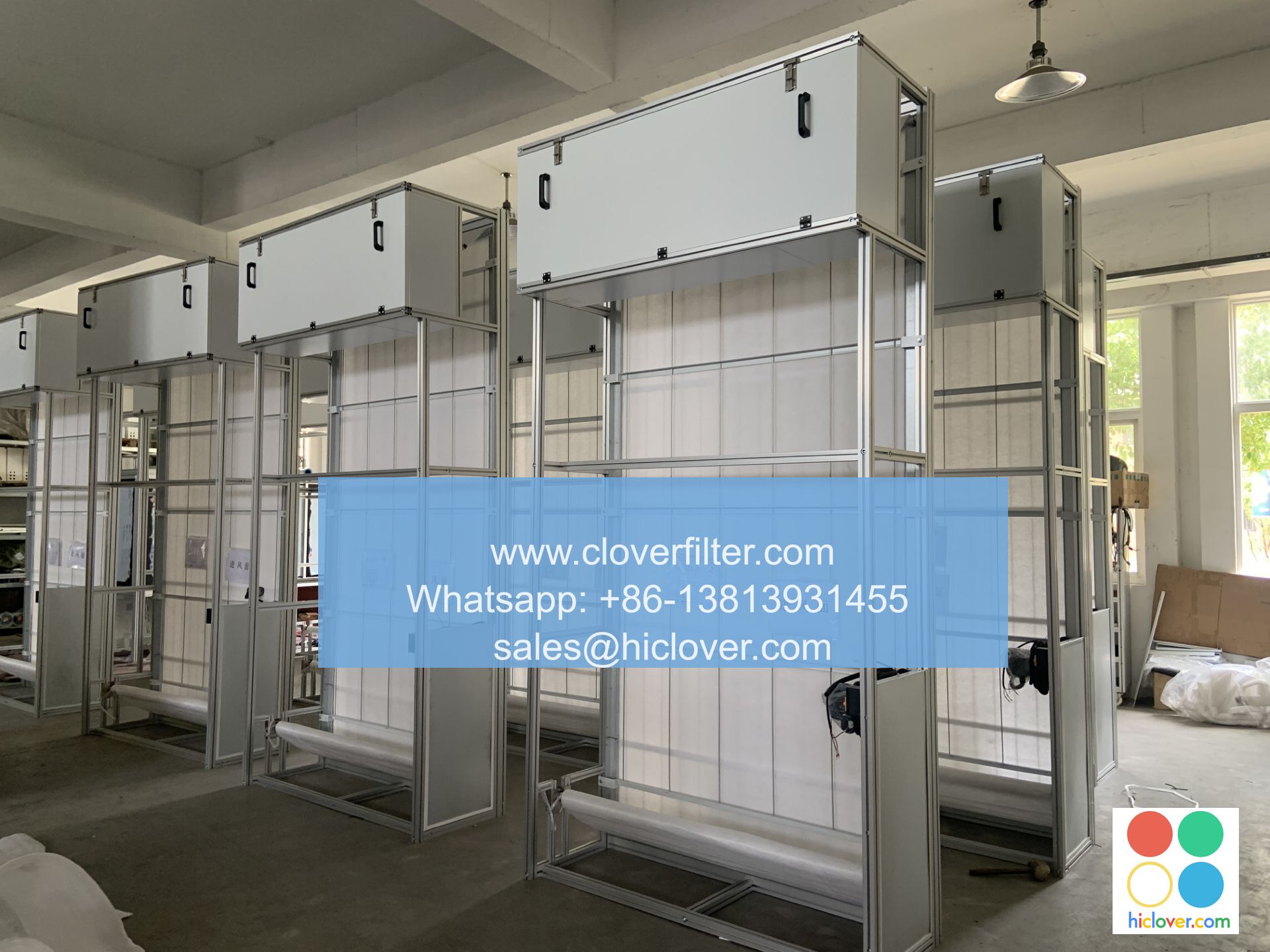
What is an Automatic Roll Air Filter?
An Automatic Roll Air Filter utilizes a continuous roll of filter media that automatically advances as it gets saturated. This air filtration solution features differential pressure trigger mechanisms that detect when the filter needs changing based on airflow resistance. Automatic roll media operates on a timer mode, making it a smart choice for HVAC systems that require regular filter replacements without manual intervention.
These filters are particularly beneficial in various applications, including cleanrooms and industrial environments, ensuring that maximum particulate control is maintained while minimizing maintenance efforts.
How it Works
Roll Media Advance Logic
The roll media advance logic detects the buildup of particulates by monitoring pressure differentials. When resistance increases to a predetermined level, the filter automatically advances to expose a new section of media.
Differential Pressure Trigger
This feature is essential for maintaining optimal airflow and indoor air quality. When pressure drops below a set point, the trigger signals the media to advance, ensuring consistent performance.
Timer Mode
In addition to pressure monitoring, the timer mode automatically shifts the media at regular intervals. This preemptive approach helps in maintaining air quality and prolongs the overall lifespan of HVAC systems.
Selection Guide for Automatic Roll Air Filters
When choosing an Automatic Roll Air Filter, several key factors should be considered to ensure you select the right product for your application:
Comparison of Filter Types
| Filter Type | Best Use Case | Maintenance | Pressure Drop Behavior | Operating Cost | Typical Risk/Downside |
|---|---|---|---|---|---|
| Automatic Roll Air Filter | High-traffic environments | Low (automatic) | Steady | Moderate | Initial installation cost |
| Bag Filter | General-purpose | Moderate | Variable | Moderate to high | Requires manual replacement |
| Panel Filter | Basic air filtration | High (manual) | Low | Low | Frequent changes needed |
| V-bank Filter | High-performance needs | Moderate | Low | Moderate | Can be bulky |
Common Mistakes & How to Avoid Them
Real-World Scenarios
Data Center
In a data center, maintaining optimal air quality is paramount. The Automatic Roll Air Filter effectively ensures high airflow rates while minimizing energy costs thanks to its ability to auto-adjust based on differential pressure. This helps in maintaining cooler operating temperatures for sensitive equipment.
Lithium Battery Factory
At a battery production facility, particulate control is crucial to avoid contamination and ensure quality. Implementing the Automatic Roll Air Filter allows for consistent filtration rates, thereby safeguarding the delicate manufacturing processes involved.
Paint Shop
In a paint shop, volatile organic compounds (VOCs) and particulates can create a challenging environment to control. Using CloverFilter’s Automatic Roll Air Filter helps manage air quality and ensures that the fumes are filtered effectively, providing a safe working environment.
Textile and Cement Plants
In textile and cement plants, heavy dust loads are common. The robust design of the Automatic Roll Air Filter allows it to tackle high particulate concentrations without frequent maintenance, thereby reducing downtime and operational costs.
FAQ Section
Q1: How often should I change my air filter?
A: The air filter lifespan can vary but follows typical ranges from 3 to 12 months depending on usage and environment.
Q2: What are the signs I need to replace my air filter?
A: Look for reduced airflow, increased energy costs, and visible dust accumulation.
Q3: How do I know if my filter is performing adequately?
A: Regularly check differential pressure readings and monitor airflow consistency.
Q4: Can a clogged air filter affect my HVAC system?
A: Yes, clogged filters can lead to increased strain on HVAC systems, resulting in potential breakdowns.
Q5: Are Automatic Roll Air Filters suitable for all HVAC systems?
A: While versatile, it’s essential to analyze your system’s requirements to ensure compatibility.
Q6: Do I need to consider seasonal changes in filter replacement?
A: Yes, seasonal factors like increased dust in spring or pollen can influence filter performance.
Conclusion
Monitoring your air filter lifespan is essential for maintaining an efficient and effective HVAC system. The Automatic Roll Air Filter from CloverFilter stands out as a reliable solution for various industrial applications, reducing maintenance and enhancing air quality. For further assistance in selecting the right filter or to understand more about our range of products, please visit CloverFilter or reach out to our team at CloverFilter Contact.
Meta Description: Learn the key signs your air filter needs changing and discover our Automatic Roll Air Filter, improving air quality and reducing maintenance.
It seems like you might have wanted to provide a prompt or ask a question. Could you please elaborate or specify what you’re looking for? I’m here to help!
