Smithfield Foods’ Clean Zone Initiatives: Enhancing Meat Processing with Advanced Air Filtration
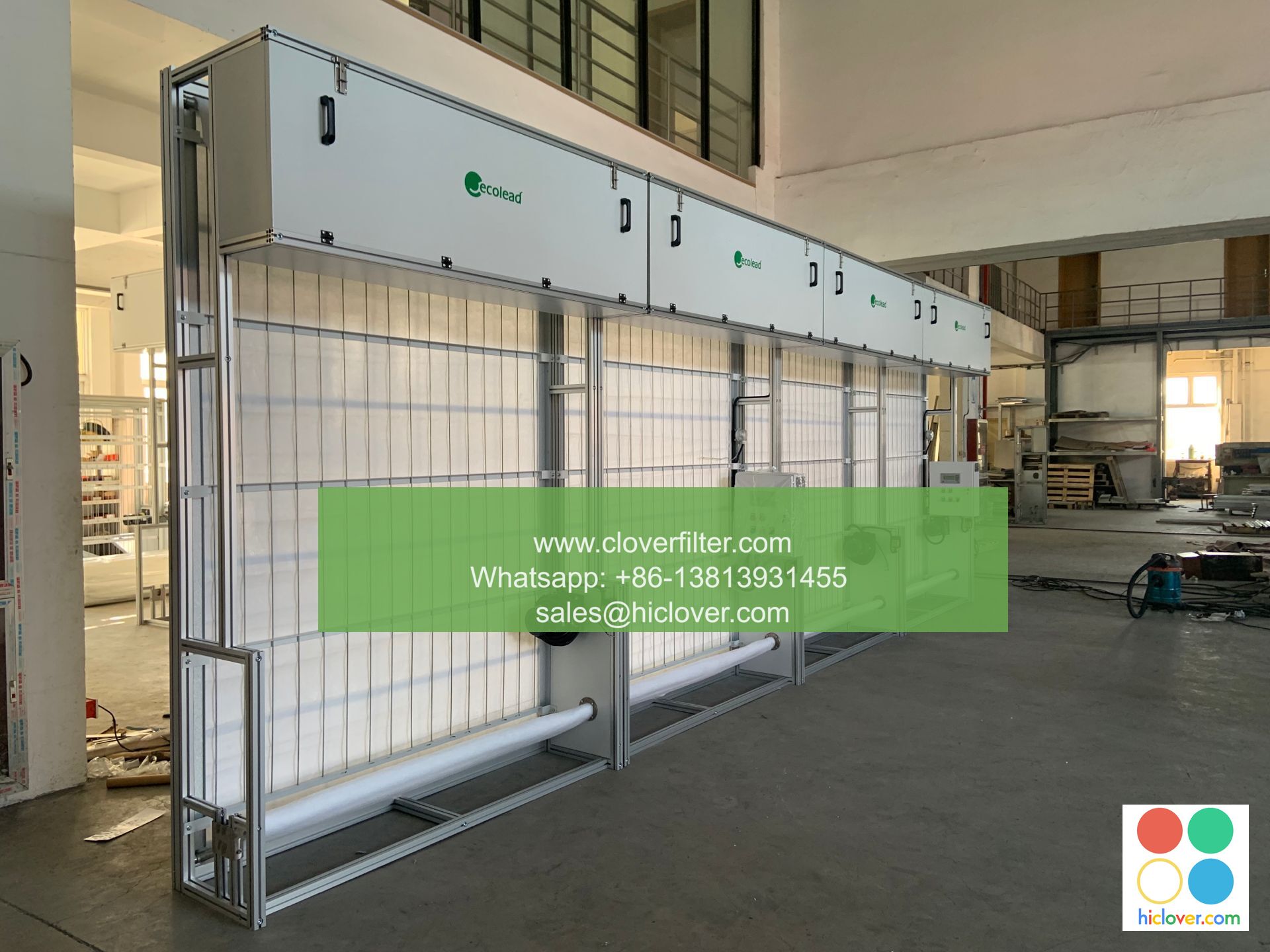
As a leader in the meat processing industry, Smithfield Foods has implemented a comprehensive Clean Zone Initiatives program, leveraging advanced air filtration systems to create a cleaner, safer, and more efficient production environment. This innovative approach combines HVAC systems, air purification technologies, and clean room designs to minimize the risk of contamination and optimize product quality.
Introduction to Clean Zone Initiatives
The Clean Zone Initiatives program is designed to enhance the overall cleanliness and sanitation of Smithfield Foods’ meat processing facilities, focusing on food safety, quality control, and regulatory compliance. By incorporating high-efficiency air filtration systems, the company aims to reduce airborne contaminants, prevent cross-contamination, and maintain a controlled environment that supports the production of high-quality meat products.
Advanced Air Filtration Technologies
Smithfield Foods has invested in cutting-edge air filtration technologies, including HEPA filters, ULPA filters, and biological air purifiers, to capture a wide range of airborne particles and microorganisms. These advanced systems are capable of removing up to 99.97% of particles as small as 0.3 microns, ensuring a significant reduction in bacterial, viral, and fungal contaminants.
Application Areas
The Clean Zone Initiatives program has been applied to various areas within Smithfield Foods’ meat processing facilities, including:
* Raw material handling: Advanced air filtration systems are used to minimize contamination during the receipt and storage of raw materials.
* Processing and packaging: Clean room designs and high-efficiency air filtration systems are employed to maintain a controlled environment during processing and packaging operations.
* Storage and distribution: Temperature-controlled storage and distribution areas are equipped with air filtration systems to prevent contamination and spoilage.
Benefits of Clean Zone Initiatives
The implementation of Clean Zone Initiatives has yielded numerous benefits for Smithfield Foods, including:
* Improved food safety: Reduced risk of contamination and improved product quality.
* Enhanced regulatory compliance: Adherence to strict food safety standards and regulations.
* Increased efficiency: Optimized production processes and reduced downtime due to contamination.
* Cost savings: Reduced waste, lower energy consumption, and extended equipment lifespan.
Conclusion
Smithfield Foods’ Clean Zone Initiatives program demonstrates the company’s commitment to food safety, quality control, and innovation in the meat processing industry. By integrating advanced air filtration systems, clean room designs, and -process control technologies, the company has created a cleaner, safer, and more efficient production environment, ultimately enhancing the quality and safety of its meat products. As the industry continues to evolve, Smithfield Foods’ Clean Zone Initiatives program serves as a model for other companies to adopt best practices in meat processing, air filtration, and clean room technology.
