St. John’s Hospital’s Infection Control Strategy: Automatic Roll Air Filters Play a Key Role
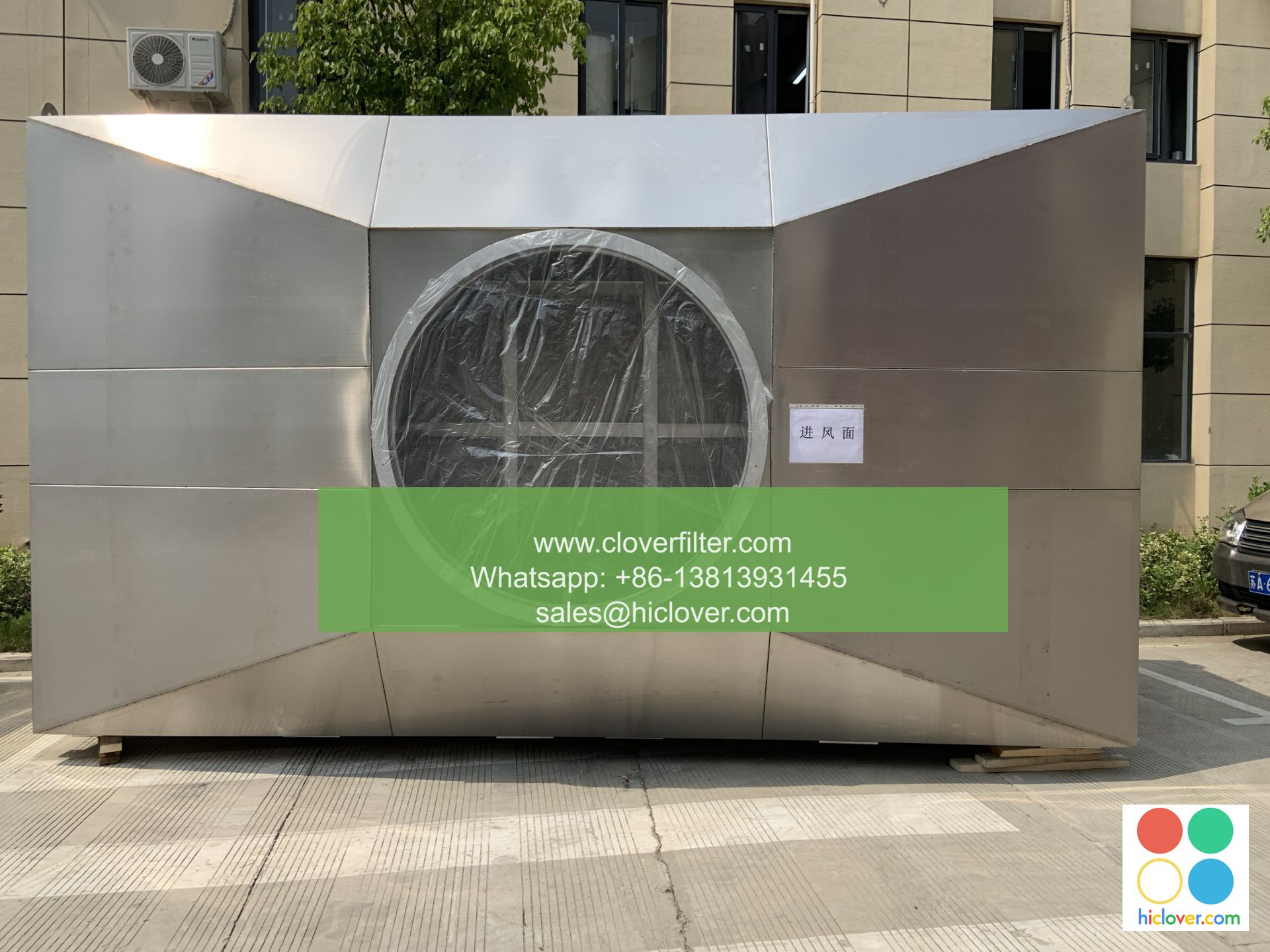
St. John’s Hospital has been at the forefront of implementing effective infection control strategies to ensure the well-being of its patients, staff, and visitors. One key component of this strategy is the use of automatic roll air filters, which have proven to be a crucial tool in reducing the spread of airborne infections. In this article, we will explore the role of automatic roll air filters in St. John’s Hospital’s infection control strategy and their benefits in maintaining a safe and healthy environment.
The hospital’s infection control strategy is multifaceted, involving a range of measures to prevent and control the spread of infections. These measures include hand hygiene, surface cleaning and disinfection, and the use of personal protective equipment (PPE). However, airborne infections pose a significant challenge, as they can be difficult to detect and control. This is where automatic roll air filters come into play, providing a proactive approach to removing airborne pathogens and other contaminants from the air.

Automatic roll air filters are designed to capture 99.97% of particles as small as 0.3 microns, including bacteria, viruses, and other microorganisms. These filters are installed in the hospital’s air handling systems, where they work to remove airborne contaminants from the air before it is circulated throughout the hospital. By removing these contaminants, the filters help to reduce the risk of airborne infections, creating a safer environment for patients, staff, and visitors.
The benefits of automatic roll air filters in St. John’s Hospital’s infection control strategy are numerous. For one, they provide a high level of filtration efficiency, capturing a wide range of airborne pathogens and other contaminants. They are also relatively low maintenance, as they are designed to be easily replaced when they become dirty or worn out. Additionally, the filters are cost-effective, providing a long-term solution to infection control that can help to reduce the hospital’s overall costs.
Another key benefit of automatic roll air filters is their ability to remove airborne contaminants in real-time. Unlike traditional air filtration systems, which may only capture a portion of airborne contaminants, automatic roll air filters work continuously to remove contaminants from the air. This provides an added layer of protection against airborne infections, helping to prevent outbreaks and protect vulnerable patients.
In addition to their technical benefits, automatic roll air filters also play a key role in promoting a culture of safety and transparency within the hospital. By prioritizing infection control and investing in effective solutions like automatic roll air filters, St. John’s Hospital demonstrates its commitment to providing a safe and healthy environment for all. This, in turn, helps to build trust with patients, staff, and visitors, who can feel confident in the hospital’s ability to protect them from airborne infections.
Conclusion:
In conclusion, automatic roll air filters play a vital role in St. John’s Hospital’s infection control strategy, providing a proactive approach to removing airborne pathogens and other contaminants from the air. With their high filtration efficiency, low maintenance requirements, and cost-effectiveness, these filters are an essential component of the hospital’s multifaceted approach to infection control. By prioritizing infection control and investing in effective solutions like automatic roll air filters, St. John’s Hospital is able to provide a safe and healthy environment for its patients, staff, and visitors.
FAQs:
- Q: What are automatic roll air filters and how do they work?
- A: Automatic roll air filters are designed to capture 99.97% of particles as small as 0.3 microns, including bacteria, viruses, and other microorganisms. They are installed in air handling systems, where they work to remove airborne contaminants from the air before it is circulated throughout the hospital.
- Q: What are the benefits of using automatic roll air filters in infection control?
- A: The benefits of using automatic roll air filters in infection control include high filtration efficiency, low maintenance requirements, and cost-effectiveness. They also provide a proactive approach to removing airborne pathogens and other contaminants from the air, helping to reduce the risk of airborne infections.
- Q: How do automatic roll air filters contribute to a culture of safety and transparency within the hospital?
- A: By prioritizing infection control and investing in effective solutions like automatic roll air filters, St. John’s Hospital demonstrates its commitment to providing a safe and healthy environment for all. This helps to build trust with patients, staff, and visitors, who can feel confident in the hospital’s ability to protect them from airborne infections.
