Standards for Air Filter Production: A Review
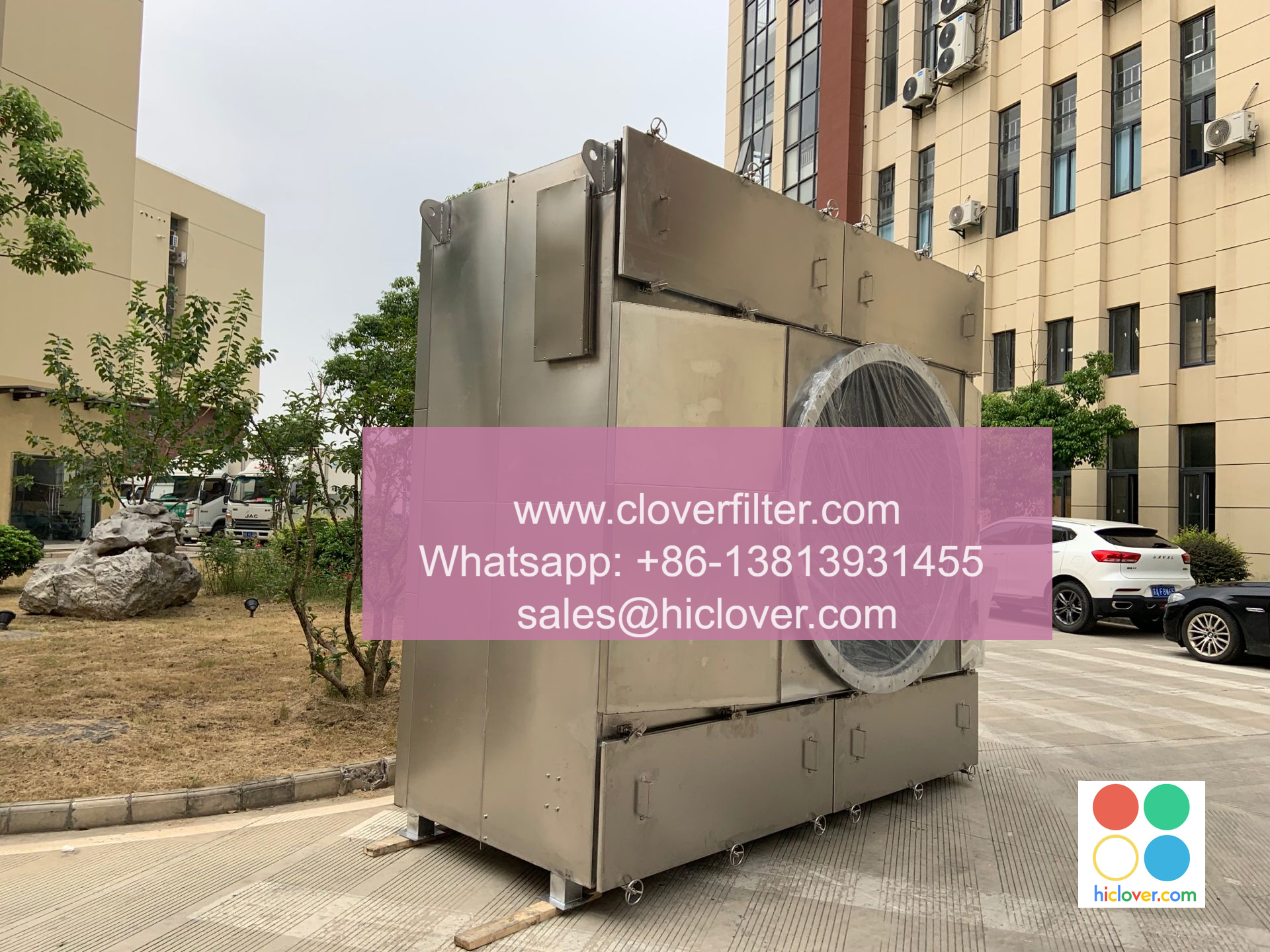
The production of air filters is a critical process that requires adherence to strict standards to ensure the quality and effectiveness of the final product. In this article, we will review the various standards for air filter production, highlighting the key aspects and application areas.
Introduction to Air Filter Standards
Air filter standards are a set of guidelines that outline the requirements for the design, testing, and manufacture of air filters. These standards are established by organizations such as the American Society of Heating, Refrigerating and Air-Conditioning Engineers (ASHRAE) and the International Organization for Standardization (ISO). The primary goal of these standards is to ensure that air filters meet the necessary performance and safety requirements for various applications, including indoor air quality (IAQ), heating, ventilation, and air conditioning (HVAC), and cleanroom technology.
Key Standardization Organizations
Several organizations play a crucial role in developing and maintaining standards for air filter production. Some of the key organizations include:
* American Society for Testing and Materials (ASTM): Develops standards for air filter testing and evaluation.
* Underwriters Laboratories (UL): Establishes standards for air filter safety and performance.
* Eurovent: Develops standards for air filter performance and energy efficiency in the European market.
Standards for Air Filter Testing and Evaluation
Air filter testing and evaluation standards are critical to ensure that air filters meet the required performance and safety standards. Some of the key standards for air filter testing and evaluation include:
* ASTM D6830: Standard Test Method for Evaluating the Performance of Air Cleaning Devices.
* ISO 16890: Air filters for general ventilation – Determination of the filtration performance.
* ASHRAE 62.1: Ventilation for Acceptable Indoor Air Quality.
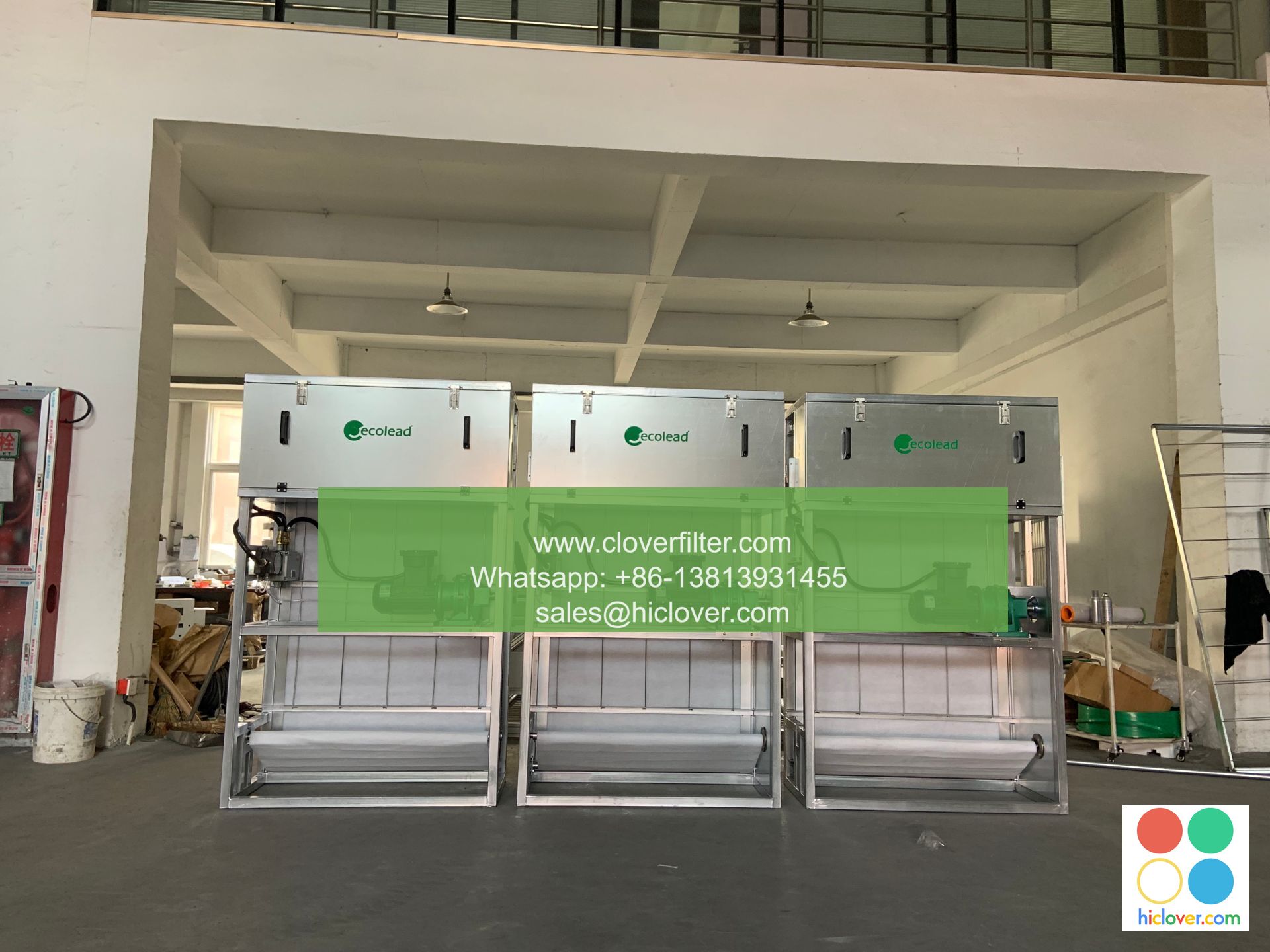
Application Areas for Air Filters
Air filters have a wide range of applications, including:
* Industrial filtration: Air filters are used to remove pollutants and contaminants from the air in industrial settings, such as manufacturing facilities and power plants.
* Commercial HVAC: Air filters are used in commercial buildings to improve indoor air quality and reduce energy consumption.
* Cleanroom technology: Air filters are used in cleanrooms to maintain a high level of air cleanliness and prevent contamination.
* Residential filtration: Air filters are used in residential settings to improve indoor air quality and reduce allergens and pollutants.
Conclusion
In conclusion, the production of air filters is a complex process that requires adherence to strict standards to ensure the quality and effectiveness of the final product. By understanding the various standards for air filter production, manufacturers can ensure that their products meet the necessary performance and safety requirements for various applications. As the demand for high-quality air filters continues to grow, the importance of standards for air filter production will only continue to increase. It looks like you didn’t include a prompt. Please go ahead and ask me a question, provide a topic, or request assistance with something, and I’ll do my best to help!
