Stanford University’s Approach to Cleanroom Air Filtration
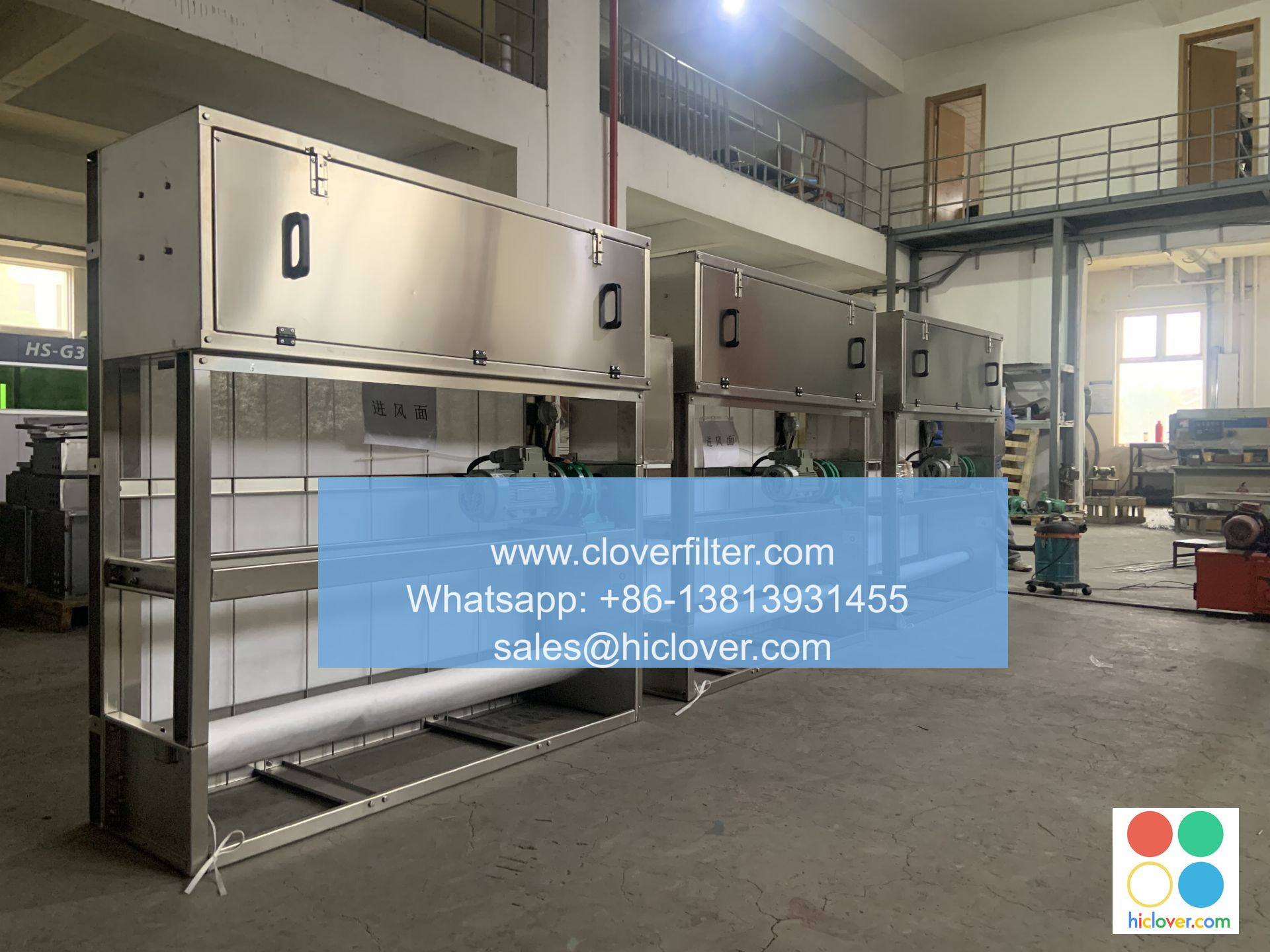
Stanford University, a globally renowned institution for its academic excellence and cutting-edge research, has been at the forefront of adopting and implementing advanced cleanroom air filtration systems. The university’s approach to maintaining pristine air quality in its cleanrooms is a testament to its commitment to fostering an environment that supports innovative research and development. In this article, we will delve into the specifics of Stanford’s cleanroom air filtration strategy, Highlighting various application areas and key technologies used to ensure the highest standards of air purity.
Introduction to Cleanroom Air Filtration
Cleanrooms are controlled environments that minimize contamination through the use of advanced air filtration systems. These environments are crucial for research and manufacturing processes that require extremely low levels of particulate matter, such as nanotechnology, microelectronics, and biotechnology. Effective cleanroom air filtration is essential for preventing contamination, ensuring the success of sensitive experiments, and maintaining the integrity of manufactured products.
Stanford University’s Approach
Stanford University employs a multi-layered approach to cleanroom air filtration, combining HEPA (High Efficiency Particulate Air) filters, ULPA (Ultra Low Penetration Air) filters, and advanced air handling units to achieve unparalleled air quality. This comprehensive strategy is designed to capture particles as small as 0.1 microns, including nanoparticles, gases, and volatile organic compounds (VOCs). By integrating these technologies, Stanford ensures that its cleanrooms meet the most stringent ISO 14644-1 standards for air cleanliness.
Application Areas
The application of advanced cleanroom air filtration systems at Stanford University spans across various disciplines, Highlighting various application areas such as:
– Nanofabrication: Where the manipulation of matter on a nanometer scale requires an environment free from airborne contaminants.
– Quantum Computing: Sensitive quantum computing equipment demands extremely low levels of vibration and contamination, making advanced air filtration critical.
– Biomedical Research: The study and development of new biomedical technologies and pharmaceuticals necessitate cleanrooms to prevent contamination and ensure the integrity of research and products.
– Advanced Materials Science: Research into new materials often involves processes that are highly sensitive to environmental conditions, including air quality.

Technological Innovations
Stanford University has been proactive in adopting and integrating cutting-edge technologies to enhance its cleanroom air filtration capabilities. This includes:
– Smart Air Filtration Systems: Utilizing IoT (Internet of Things) technology and AI (Artificial Intelligence) to monitor and adjust air filtration parameters in real-time, optimizing energy efficiency and air quality.
– Green Technologies: Implementing energy-efficient air filtration systems that minimize environmental impact while maintaining high performance standards.
Conclusion
Stanford University’s approach to cleanroom air filtration sets a high standard for research institutions and industries requiring controlled environments. By leveraging advanced technologies and adopting a holistic approach to air quality management, Stanford facilitates groundbreaking research and development across multiple disciplines. As the demand for cleaner, more controlled environments continues to grow, Stanford’s model serves as a valuable reference point for the implementation of effective cleanroom! air filtration systems.
