Super-Sizing Air Filtration: Large-Scale Applications
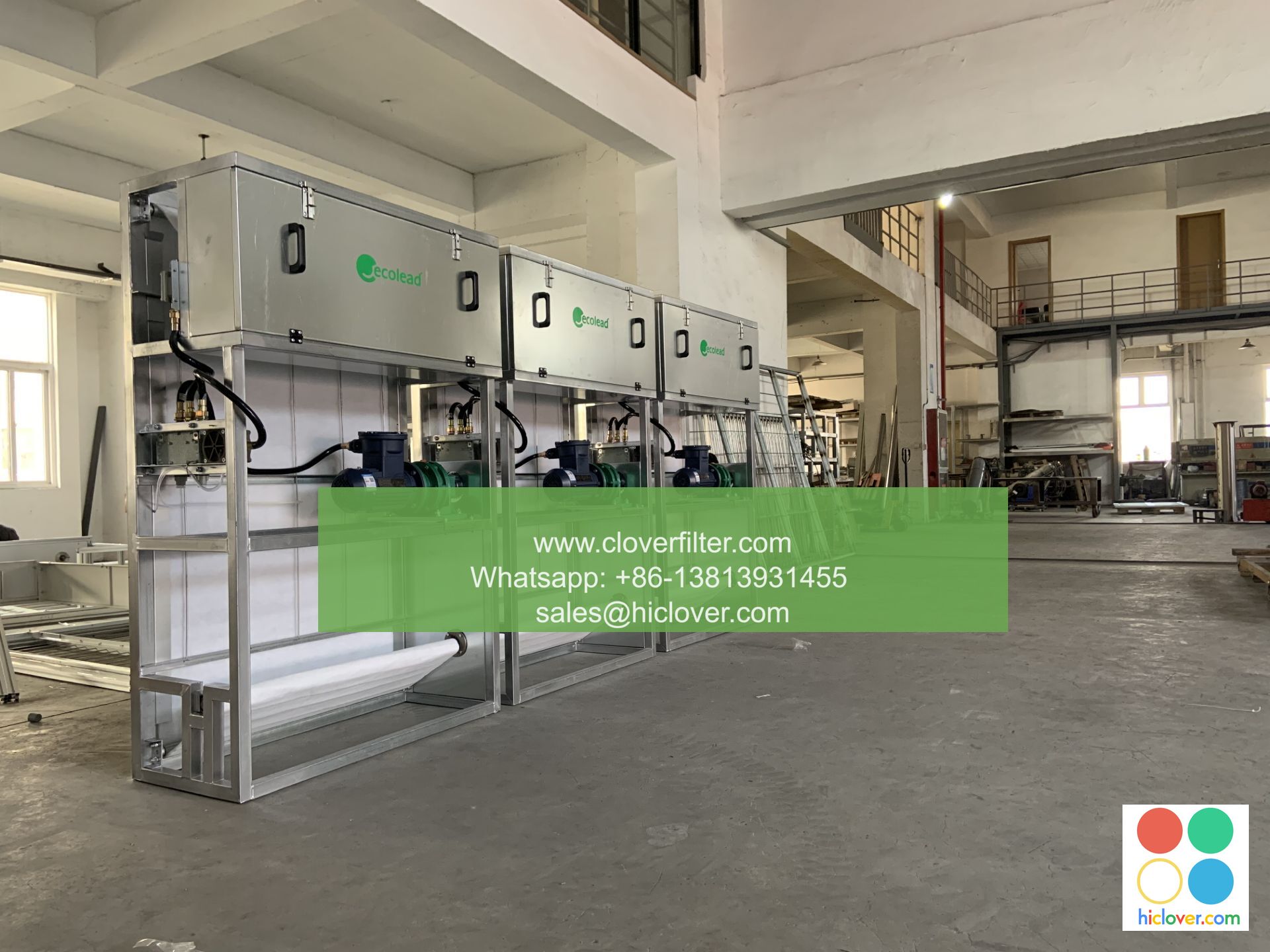
As the world grapples with the challenges of air pollution and indoor air quality, the need for effective air filtration systems has never been more pressing. In recent years, there has been a growing trend towards super-sizing air filtration, with large-scale applications being implemented in a variety of settings. In this article, we will explore the concept of super-sizing air filtration, its benefits, and its applications in various industries.
What is Super-Sizing Air Filtration?
Super-sizing air filtration refers to the use of large-scale air filtration systems that are designed to capture and remove airborne pollutants and particulate matter from the air. These systems are typically used in large commercial and industrial settings, such as factories, warehouses, and hospitals. By using large-scale air filtration systems, businesses and organizations can improve the indoor air quality and reduce the risks associated with air pollution.
Benefits of Super-Sizing Air Filtration
The benefits of super-sizing air filtration are numerous. Some of the key advantages include:
* Improved indoor air quality: Large-scale air filtration systems can capture and remove up to 99.97% of airborne pollutants and particulate matter, resulting in cleaner and healthier air.
* Increased energy efficiency: By reducing the amount of airborne pollutants and particulate matter, large-scale air filtration systems can help to reduce the energy consumption of buildings and facilities.
* Extended equipment lifespan: By removing airborne pollutants and particulate matter, large-scale air filtration systems can help to extend the lifespan of equipment and machinery.
* Enhanced worker health and productivity: By improving the indoor air quality, large-scale air filtration systems can help to reduce the risks of respiratory problems and other health issues, resulting in enhanced worker health and productivity.
Applications of Super-Sizing Air Filtration
Super-sizing air filtration has a wide range of applications in various industries, including:
* Industrial settings: Large-scale air filtration systems are used in factories, warehouses, and other industrial settings to improve the indoor air quality and reduce the risks associated with air pollution.
* Healthcare settings: Large-scale air filtration systems are used in hospitals, clinics, and other healthcare settings to improve the indoor air quality and reduce the risks of hospital-acquired infections.
* Commercial settings: Large-scale air filtration systems are used in office buildings, shopping malls, and other commercial settings to improve the indoor air quality and enhance worker health and productivity.
* Agricultural settings: Large-scale air filtration systems are used in livestock facilities and other agricultural settings to improve the indoor air quality and reduce the risks associated with animal health.
Technologies Used in Super-Sizing Air Filtration
Various technologies are used in super-sizing air filtration, including:
* HEPA filtration: High-efficiency particulate air (HEPA) filters are used to capture and remove up to 99.97% of airborne pollutants and particulate matter.
* Activated carbon filtration: Activated carbon filters are used to capture and remove gases and volatile organic compounds (VOCs) from the air.
* UV filtration: Ultraviolet (UV) light is used to kill bacteria, virus, and other microorganisms that can cause illness and infection.
Conclusion
In conclusion, super-sizing air filtration is a growing trend that is being used in a variety of settings to improve the indoor air quality and reduce the risks associated with air pollution. By using large-scale air filtration systems, businesses and organizations can improve the health and productivity of their workers, reduce energy consumption, and extend the lifespan of equipment and machinery. As the world continues to grapple with the challenges of air pollution and indoor air quality, the importance of super-sizing air filtration will only continue to grow. It seems like you haven’t provided a specific question or topic for me to address. Could you please provide more details or clarify what you would like to discuss? I’m here to help with any questions or topics you’d like to explore.
