Sustainable Air Filtration: Eco-Friendly Solutions for a Cleaner Environment
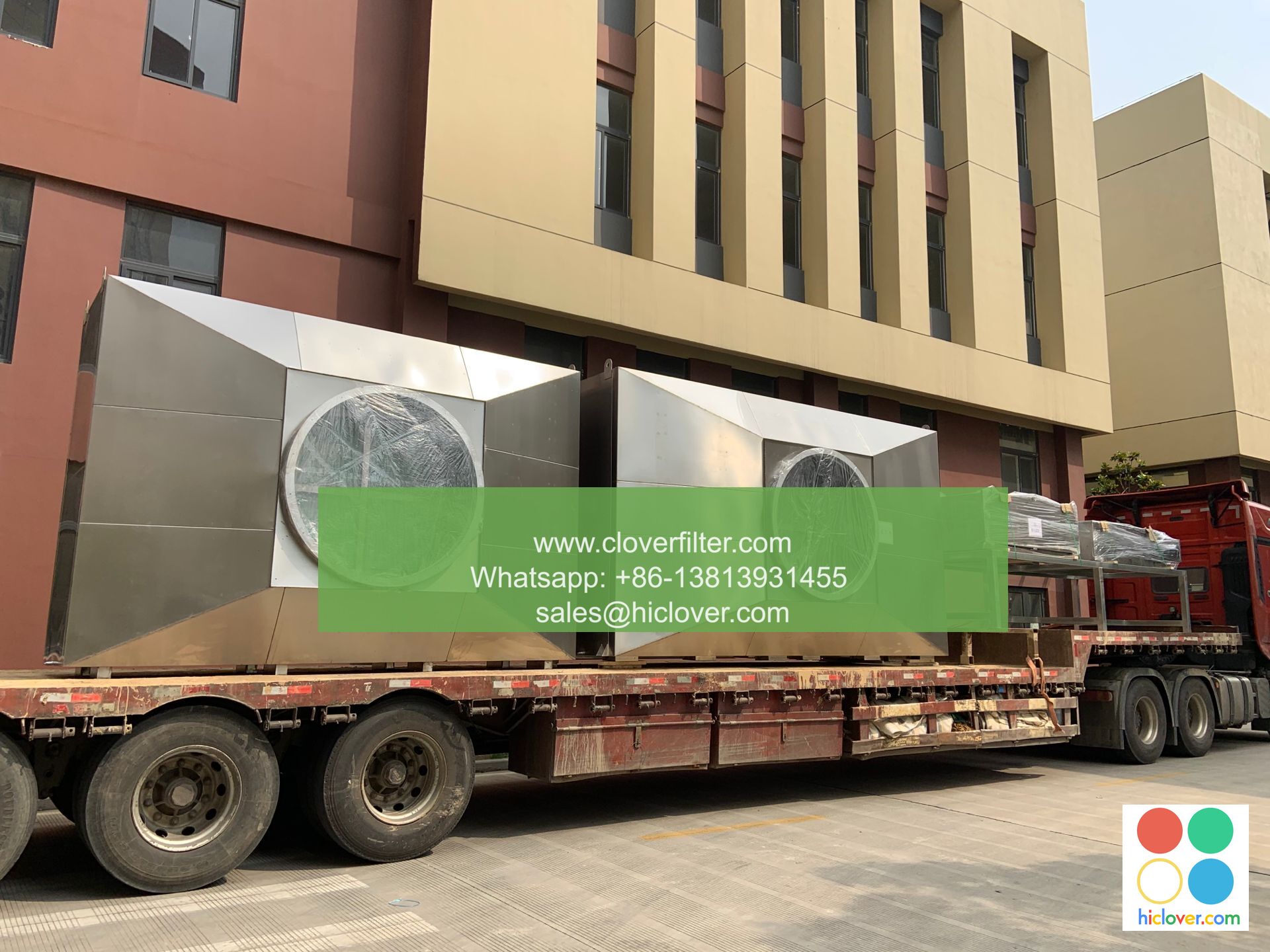
As the world grapples with the challenges of climate change, air pollution, and environmental degradation, the importance of sustainable air filtration systems has never been more pressing. The need for eco-friendly solutions that can effectively purify the air while minimizing their carbon footprint has become a top priority. In this article, we will explore the concept of sustainable air filtration, its benefits, and highlight various application areas where these systems can make a significant impact.
What is Sustainable Air Filtration?
Sustainable air filtration refers to the use of air purification systems that are designed to minimize their environmental impact while providing clean and healthy air. These systems utilize eco-friendly technologies, such as HEPA filtration, activated carbon filtration, and UV air purification, to remove pollutants and contaminants from the air. Sustainable air filtration systems are energy-efficient, use recyclable materials, and have a longer lifespan, reducing waste and the need for frequent replacements.
Benefits of Sustainable Air Filtration
The benefits of sustainable air filtration are numerous and far-reaching. Some of the most significant advantages include:
* Improved indoor air quality: Sustainable air filtration systems can effectively remove pollutants, allergens, and bacteria from the air, creating a healthier environment for occupants.
* Energy efficiency: Eco-friendly air purification systems are designed to use less energy, reducing the carbon footprint and lowering energy costs.
* Cost savings: Sustainable air filtration systems have a longer lifespan and require less maintenance, resulting in significant cost savings over time.
* Environmental benefits: By using recyclable materials and minimizing waste, sustainable air filtration systems contribute to a reduction in environmental pollution and climate change.
Application Areas for Sustainable Air Filtration
Sustainable air filtration systems have a wide range of applications across various industries and settings. Some of the most significant areas where these systems can make a impact include:
* Residential buildings: Sustainable air filtration systems can improve indoor air quality, reducing the risk of respiratory problems and creating a healthier environment for families.
* Commercial buildings: Eco-friendly air purification systems can improve productivity, reduce absenteeism, and enhance the overall well-being of employees.
* Industrial settings: Sustainable air filtration systems can remove pollutants and contaminants from the air, reducing the risk of occupational health problems and improving worker safety.
* Healthcare facilities: Sustainable air filtration systems can play a critical role in preventing the spread of infections and improving patient outcomes.
* Transportation systems: Eco-friendly air purification systems can improve air quality in vehicles, reducing the risk of respiratory problems and enhancing passenger comfort.

Emerging Trends in Sustainable Air Filtration
The sustainable air filtration market is rapidly evolving, with new technologies and innovations emerging all the time. Some of the most exciting trends include:
* Nanotechnology: The use of nanotechnology in air filtration systems is enabling the creation of more efficient and effective filters.
* Biotechnology: Biotechnological advancements are leading to the development of new, eco-friendly air purification systems that utilize natural processes to remove pollutants.
* Internet of Things (IoT): The integration of IoT technology into sustainable air filtration systems is enabling real-time monitoring and control, improving efficiency and effectiveness.
Conclusion
Sustainable air filtration is a critical component of creating a cleaner, healthier environment. By adopting eco-friendly air purification systems, we can improve indoor air quality, reduce energy consumption, and minimize waste. As the demand for sustainable air filtration solutions continues to grow, it is essential to stay up-to-date with the latest trends and technologies. Whether you are a homeowner, business owner, or facility manager, investing in sustainable air filtration systems can have a significant impact on the health, well-being, and productivity of occupants, while also contributing to a more sustainable future. You haven’t provided a prompt or question for me to respond to. Please provide more context or specify what you would like to know, and I’ll do my best to assist you.
