Sustainable Air Management: Implementing Automatic Roll Filtration in Ministry Offices
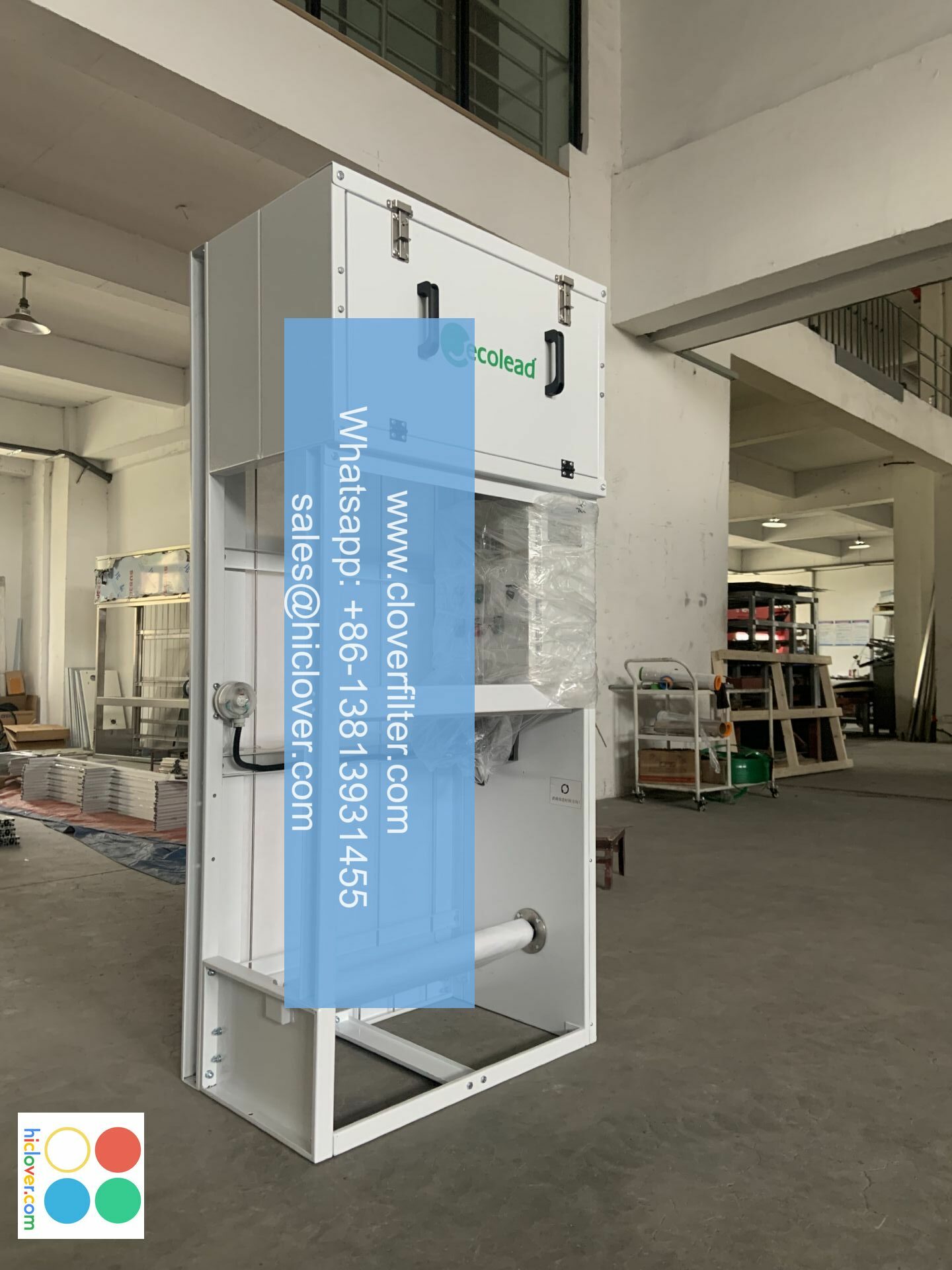
In an era where environmental sustainability is paramount, sustainable air management has become an essential focus for government institutions worldwide. Ministry offices, often characterized by their dense occupancy and varying air quality, necessitate innovative solutions to enhance indoor environmental conditions while promoting energy efficiency. One effective approach gaining traction is the implementation of automatic roll filtration systems.
The Importance of Air Quality in Ministry Offices

Ministry offices serve as the nerve centers of government operations, impacting not just the employees who work there, but also the citizens they serve. Quality air is crucial for maintaining the health and productivity of workers. Poor air quality can lead to various health issues, decreased productivity, and increased absenteeism. Thus, air filtration systems play an indispensable role in ensuring a healthy work environment.
What is Automatic Roll Filtration?
Automatic roll filtration is an advanced air filtration technology designed to dynamically manage air quality in real-time. It involves the use of roll filters that automatically extend and retract based on environmental conditions and the presence of particulate matter in the air. These systems not only filter out harmful pollutants like dust, smoke, and allergens but also ensure optimal energy usage by minimizing unnecessary airflow.
Key Benefits of Implementing Automatic Roll Filtration
- Enhanced Air Quality: Automatic roll filters continuously monitor and improve air quality, making indoor environments healthier for employees.
- Energy Efficiency: By adjusting air intake and filtration rates, these systems help reduce energy consumption, leading to lower operational costs.
- Reduced Maintenance: Automated systems require less manual intervention, minimizing maintenance costs and labor.
- Environmental Compliance: Implementing sustainable air management solutions helps ministries comply with environmental regulations and standards.
Application Areas for Automatic Roll Filtration
Automatic roll filtration systems can be effectively applied in various areas within ministry offices, including:
1. Reception Areas
The reception area is often the first point of contact for visitors. Implementing automatic roll filtration here ensures that incoming air remains fresh and free from contaminants, creating a welcoming atmosphere.
2. Open-Plan Workspaces
With many ministries adopting open-plan designs, the need for effective air filtration becomes even more critical. Automatic roll filtration systems can adapt to the ebb and flow of office occupancy, providing efficient air quality management.
3. Meeting Rooms
Air quality in meeting rooms significantly impacts focus and deliberation. Automatic roll filtration can help maintain fresh air, enhancing the productivity of discussions and decision-making.
4. Break Rooms
In areas where employees gather to relax, it is essential to ensure that the air quality is safe and pleasant. Automatic roll filtration can filter out any cooking odors or airborne pollutants from previous gatherings.
Conclusion
Adopting sustainable air management practices through the implementation of automatic roll filtration systems presents an innovative solution for ministry offices. Not only do these systems improve air quality, but they also contribute to energy savings, reduced maintenance efforts, and overall compliance with environmental standards. As governments strive to promote sustainability, leveraging such technologies highlights a commitment to employee health and well-being, the efficiency of operations, and environmental stewardship.
It seems like you might want to provide a specific prompt or ask a question, but it appears to be missing. Could you please clarify what you’d like to know or discuss?
