Taking it to the Next Level: Air Filter Innovation in Research and Development
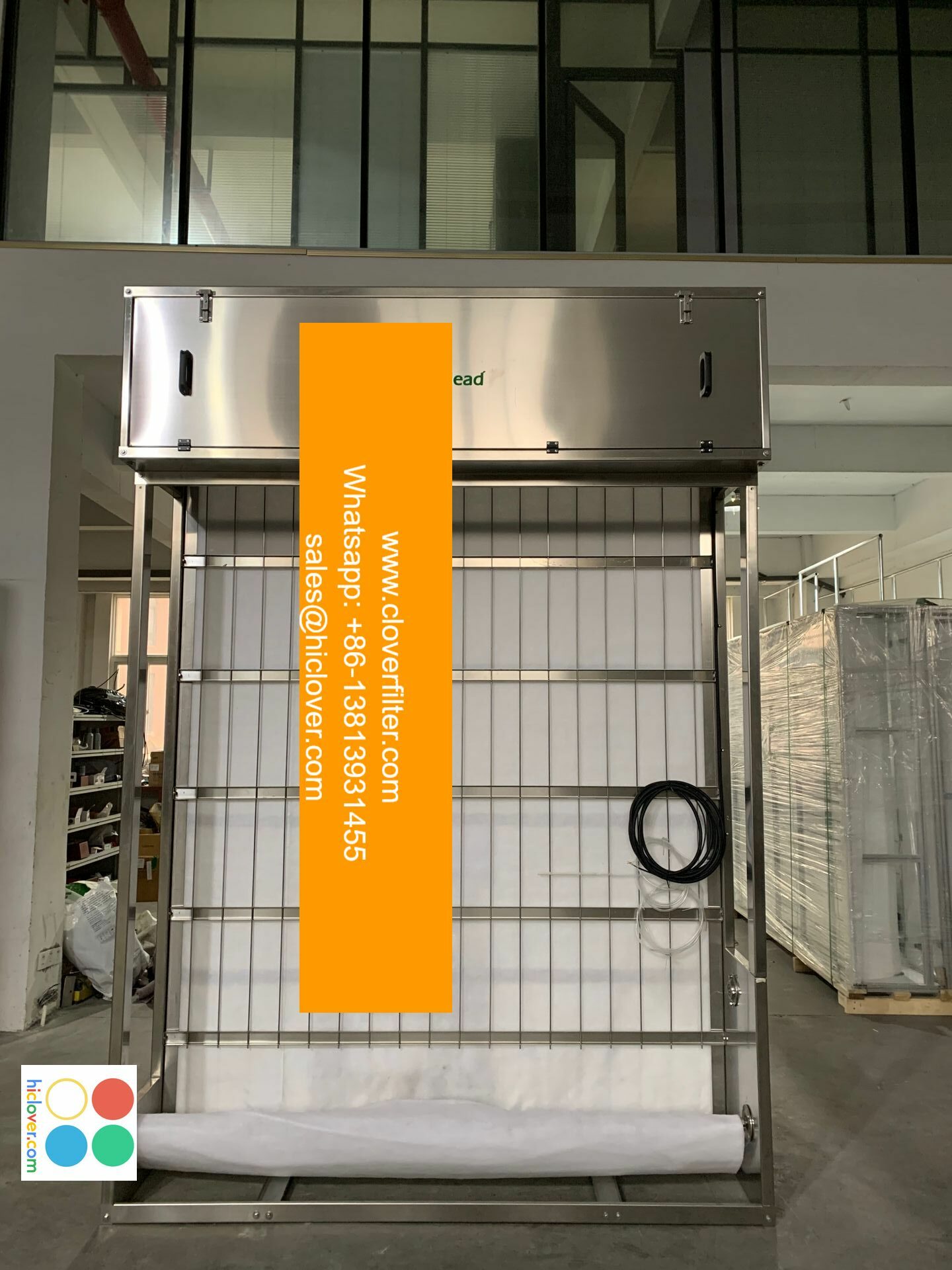
The air filter industry has witnessed significant advancements in recent years, driven by the growing need for clean air and the increasing awareness of the importance of indoor air quality (IAQ). As research and development (R&D) efforts continue to push the boundaries of air filter technology, we are seeing the emergence of innovative solutions that are taking air filtration to the next level. In this article, we will explore the latest trends and developments in air filter innovation, highlighting various application areas and the key technologies driving this growth.
Advancements in Filtration Media and Materials Science
One of the key areas of focus in air filter innovation is the development of new filtration media and materials. Researchers are exploring the use of advanced materials such as nanofibers, graphene, and carbon nanotubes to create filters with improved efficiency, durability, and sustainability. These new materials are enabling the creation of filters with higher mechanical strength, increased surface area, and enhanced chemical resistance, making them ideal for use in a range of applications, including industrial air pollution control, commercial HVAC systems, and residential air purification systems.
Increased Focus on Indoor Air Quality (IAQ) and Airborne Contaminants
The importance of indoor air quality (IAQ) cannot be overstated, with poor air quality linked to a range of health problems, including respiratory diseases, allergies, and even cognitive impairment. As a result, there is a growing focus on the development of air filters that can effectively remove airborne contaminants, such as particulate matter (PM), volatile organic compounds (VOCs), and biological pollutants. Researchers are working on the development of high-efficiency particulate air (HEPA) filters, ultra-low penetration air (ULPA) filters, and biological filters that can capture even the smallest particles and microorganisms, making them ideal for use in healthcare facilities, cleanrooms, and other sensitive environments.
Integration of Emerging Technologies: IoT, AI, and Sensor Systems
The air filter industry is also witnessing the integration of emerging technologies, such as the Internet of Things (IoT), artificial intelligence (AI), and sensor systems. These technologies are enabling the development of smart air filters that can monitor and respond to changes in air quality in real-time, providing users with detailed insights into their indoor air environment. For example, IoT-enabled air filters can detect changes in particle concentrations, temperature, and humidity, and adjust their filtration settings accordingly, while AI-powered air filters can learn and adapt to changing air quality conditions, optimizing their performance over time.

Applications in Various Industries: From Automotive to Aerospace
Air filter innovation is not limited to a single industry, with applications spanning a range of sectors, including automotive, aerospace, industrial manufacturing, and pharmaceuticals. In the automotive industry, for example, advanced air filters are being developed to improve vehicle cabin air quality and reduce emissions. In the aerospace industry, air filters are being designed to provide high-reliability air filtration in aircraft cabins and spacecraft. Meanwhile, in industrial manufacturing, air filters are being used to control hazardous emissions and improve worker health and safety.
Conclusion: The Future of Air Filter Innovation
As research and development efforts continue to push the boundaries of air filter technology, we can expect to see even more innovative solutions emerge in the coming years. From advancements in filtration media and materials science to the integration of emerging technologies, such as IoT, AI, and sensor systems, the air filter industry is poised for significant growth and transformation. As we look to the future, it is clear that air filter innovation will play a critical role in shaping the health, safety, and sustainability of our indoor environments, and we can expect to see a range of exciting developments in the years to come. It seems like you’re ready to start a conversation or ask a question, but you haven’t provided a specific prompt yet. Could you please provide more details or clarify what you’re looking to discuss? I’m here to help with any questions or topics you have in mind!
