* Technical details about how air filters work and the science behind them
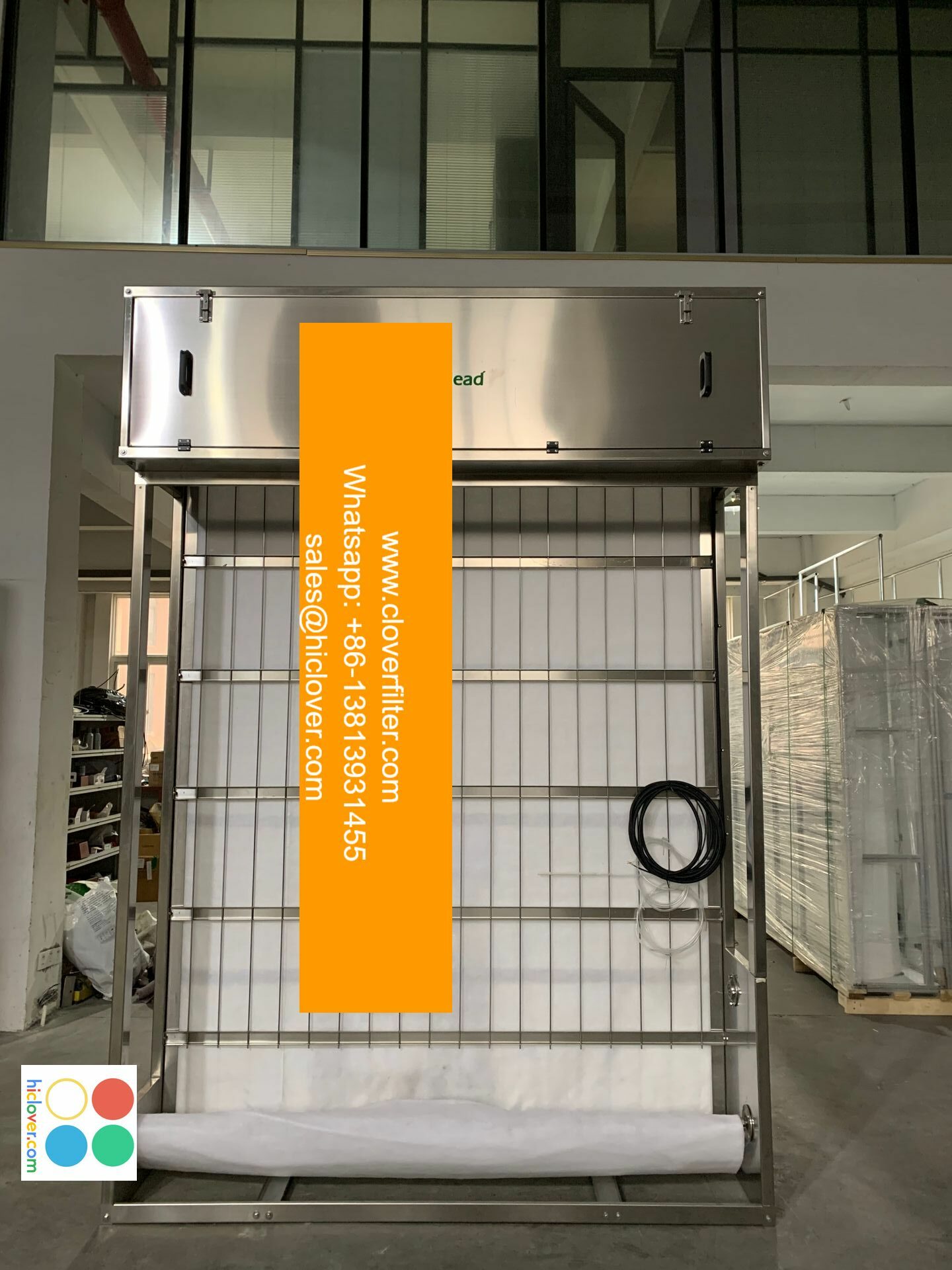
Air filters are a crucial component in maintaining indoor air quality and preventing the spread of airborne pollutants. In this article, we will delve into the technical details of how air filters work and explore the science behind their functionality. We will also highlight the various application areas where air filters play a vital role in maintaining clean air and preventing air pollution.
Basic Principles of Air Filtration

Air filters operate on the principle of mechanical filtration, where airborne particles are trapped by a filter medium. The filter medium can be a fiber mesh, activated carbon, or a combination of both. The size and shape of the particles, as well as the velocity of the airflow, determine the effectiveness of the filter.
The filtration process involves the following steps:
- Particle capture: The filter medium traps airborne particles, such as dust, pollen, and bacteria.
- Particle retention: The trapped particles are retained by the filter medium, preventing them from passing through.
- Airflow: The filtered air is then released, providing a clean air supply.

Types of Air Filters and Their Applications
There are several types of air filters, each designed for specific application areas. Some of the most common types include:
- HEPA filters: High Efficiency Particulate Air filters, which are capable of capturing 99.97% of particles as small as 0.3 microns. HEPA filters are commonly used in hospitals, laboratories, and industrial settings.
- Activated carbon filters: These filters are designed to capture gases and odors, making them ideal for use in kitchens, bathrooms, and industrial settings.
- UV filters: Ultraviolet filters, which use UV light to neutralize airborne particles. UV filters are commonly used in healthcare settings and industrial applications.
Application Areas of Air Filters
Air filters have a wide range of application areas, including:
- Residential: Air filters are used in home air purifiers and HVAC systems to maintain indoor air quality.
- Commercial: Air filters are used in office buildings, restaurants, and shops to maintain a clean and healthy environment.
- Industrial: Air filters are used in manufacturing facilities, warehouses, and industrial settings to prevent air pollution and maintain worker health.
- Transportation: Air filters are used in vehicles, airplanes, and trains to maintain air quality and prevent airborne illness.
Conclusion
In conclusion, air filters play a vital role in maintaining indoor air quality and preventing the spread of airborne pollutants. By understanding the technical details of how air filters work and the science behind their functionality, we can appreciate the importance of air filters in maintaining clean air and preventing air pollution. Whether in residential, commercial, industrial, or transportation settings, air filters are an essential component in maintaining a healthy and safe environment. By highlighting the various application areas of air filters, we hope to have provided a comprehensive guide to the world of air filtration and the importance of clean air.
Prompt
