Terms and Conditions: What to Check Before Buying an Air Filter
Key Takeaways:
- Understand the air filter terms and conditions for a smooth procurement process.
- Explore the features and benefits of Automatic Roll Air Filters.
- Consider airflow range and operating conditions for optimal performance.
- Recognize compliance and maintenance options to reduce costs.
- Be aware of common mistakes in air filter selection to avoid costly errors.
- Airflow Range: Understand the required airflow (CFM) for your application.
- Face Velocity: The ideal velocity should align with filter performance; too high may cause damage.
- Media Width/Length: Determine available space to install and replace filtered media effectively.
- Frame Size: Ensure compatibility with existing housing to facilitate easy installation.
- Control Options: Explore options such as manual, automatic, or sensor-based controls.
- Power Supply: Check the electrical requirements to ensure seamless operation.
- Installation Location: Decide whether the filter will be utilized in fresh air intake, return, or process applications.
- Failing to check airflow requirements before selection.
- Ignoring MERV ratings and their impact on filtration efficiency.
- Overlooking maintenance schedules leading to performance drops.
- Selecting inappropriate filter sizes can cause installation issues.
- Not evaluating energy efficiency, affecting operating costs.
- Skipping compliance verification with relevant standards.
- Neglecting to check pressure drop behavior.
- Choosing filters without considering replacement media availability.
- Using filters outside their recommended installation location.
- Underestimating the importance of thorough vendor evaluation.
-
Data Center:
A facility manager opted for CloverFilter’s Automatic Roll Air Filter for their data center. With high airflow demands and stringent air quality needs, they significantly reduced energy consumption and maintenance downtime compared to traditional filters. -
Lithium Battery Factory:
The procurement team found that incorporating an Automatic Roll Air Filter minimized particulate contamination in their lithium battery assembly area, thereby lowering rejects and improving overall yield. -
Paint Shop:
In a large automotive paint shop, maintenance costs were spiraling due to frequent filter changes. Transitioning to CloverFilter’s automatic system helped automate the refresh cycle, reducing manual labor and ensuring consistent air quality. -
Textile/Cement Plant:
A textile mill discovered that Automatic Roll Air Filters effectively controlled dust and particulate emissions while operating under heavy loads, aligning with their environmental compliance efforts.

Understanding Air Filter Terms and Conditions
When purchasing an air filter, especially an Automatic Roll Air Filter, it is crucial to understand the air filter terms and conditions that govern the buying process. These terms outline everything from warranty limits to maintenance expectations and specific performance criteria. Being informed will ensure you make a cost-effective choice that aligns with your facility’s needs.

What is an Automatic Roll Air Filter?
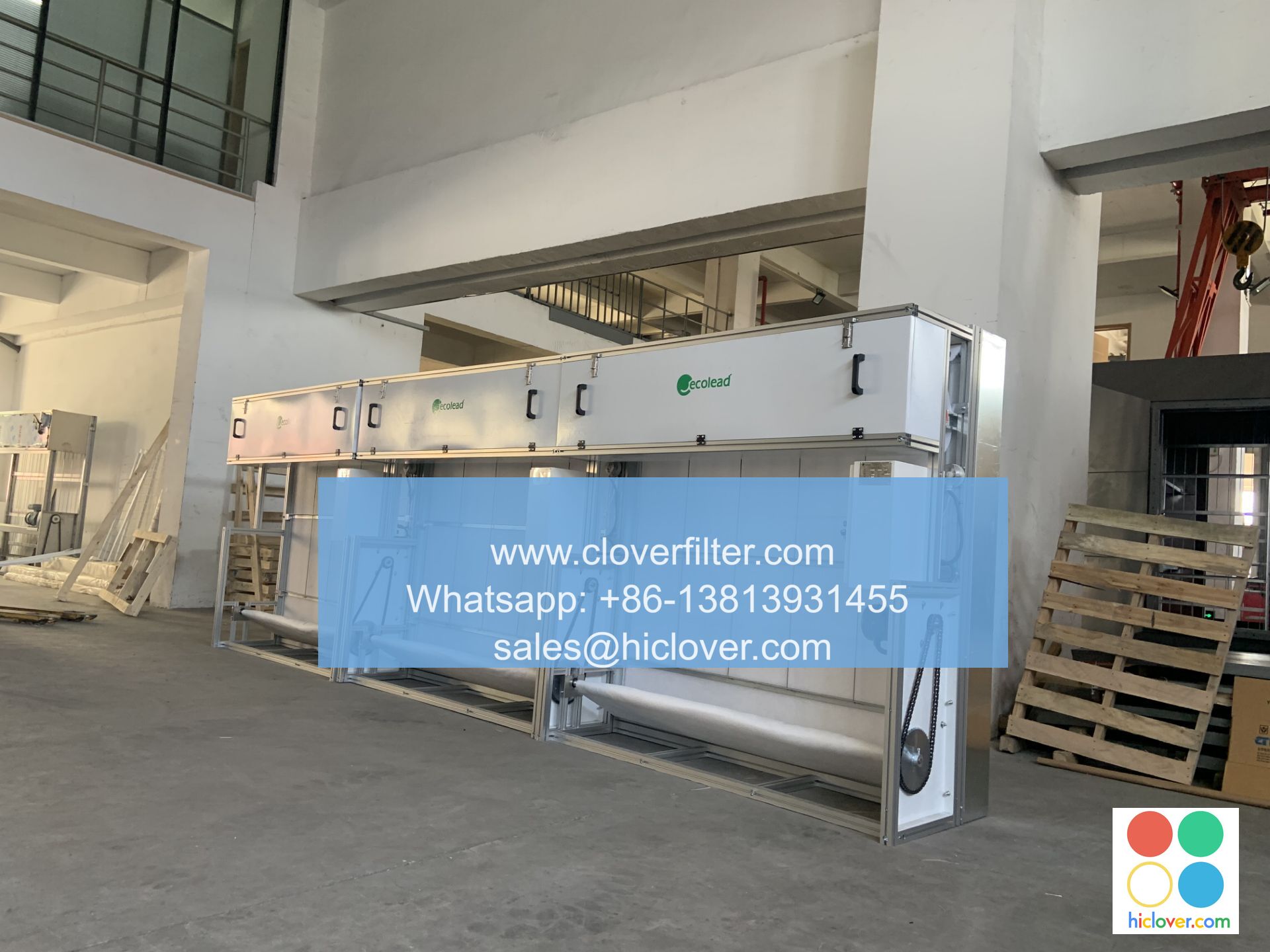
An Automatic Roll Air Filter is a highly efficient filtration system designed to replace traditional static filters in HVAC units. Utilizing a roll media advance logic, this filter automatically adjusts its filtration media based on the air pressure and flow demands. The internal differential pressure trigger activates as air pressure builds up, prompting a roll of fresh filtration media to be presented as needed. In timer mode, the system replaces its media at designated intervals, simplifying maintenance and ensuring optimal performance.
Role in HVAC/AHU Systems
Automatic Roll Air Filters fit seamlessly within HVAC and air handling unit (AHU) systems, specifically in fresh air intake, return, and process applications. They serve to enhance air quality by effectively capturing particulate matter, thus maintaining a clean environment in facilities like data centers, hospitals, and lithium battery plants.
Selecting the Right Air Filter
When choosing an air filter, consider the following specifications to ensure you meet your operational requirements:
Comparison Table of Filter Types
| Filter Type | Best Use Case | Maintenance | Pressure Drop Behavior | Operating Cost | Typical Risk/Downside |
|---|---|---|---|---|---|
| Automatic Roll Air Filter | High-traffic environments | Low | Consistent | Moderate | Requires power supply |
| Bag Filter | Bulk particulate removal | Moderate | Moderate | Low | Space-consuming |
| Panel Filter | General-purpose filtration | High | High | High | Frequent replacement |
| V-bank Filter | High-efficiency particulate | Moderate | Low | Moderate | Potential air bypass |
Common Mistakes & How to Avoid Them
Real-World Scenarios
Frequently Asked Questions (FAQ)
Q1: What does an Automatic Roll Air Filter do?
A1: It automates the filtration process by rolling fresh media into position based on air pressure, ensuring efficient particulate control.
Q2: How do I choose the right size Automatic Roll Air Filter?
A2: Consider factors like existing housing dimensions, airflow requirements, and installation area to find the appropriate size.
Q3: What are MERV ratings?
A3: MERV ratings indicate the filtration efficiency of air filters, with higher numbers signifying the ability to capture smaller particles.
Q4: How often should I maintain an Automatic Roll Air Filter?
A4: Maintenance schedules typically depend on operating conditions but generally align with the filter’s built-in timers or pressure triggers.
Q5: Are there energy-saving benefits with these filters?
A5: Yes, these filters can lead to energy savings through their efficiency in maintaining airflow and reducing pressure drops.
Q6: What compliance standards should I be aware of?
A6: While industry frameworks like ISO 16890 and MERV are recognized, specific certification documents should be requested from the manufacturer.
Conclusion
Selecting the right air filter can significantly impact operational efficiency, air quality, and maintenance costs. By understanding the air filter terms and conditions, and by thoroughly evaluating both product specifications and operational requirements, procurement managers and facility engineers can make informed decisions. CloverFilter’s Automatic Roll Air Filter stands out for its reliability and performance, making it an excellent choice for various industries.
For more information or to make an inquiry, visit CloverFilter and see how we can help you achieve your filtration goals.
Meta Description: Explore crucial air filter terms and conditions before buying. Discover Automatic Roll Air Filters, optimal features, and real-world applications for industries.
It seems like you might have wanted to provide a specific prompt for me to respond to or help with. Could you please share more details or clarify what you’re looking for? Whether it’s creative writing, questions, advice, or something else, I’m here to assist!
