The Advantages of Nanofiber Over Conventional Cotton-Based Air Filter
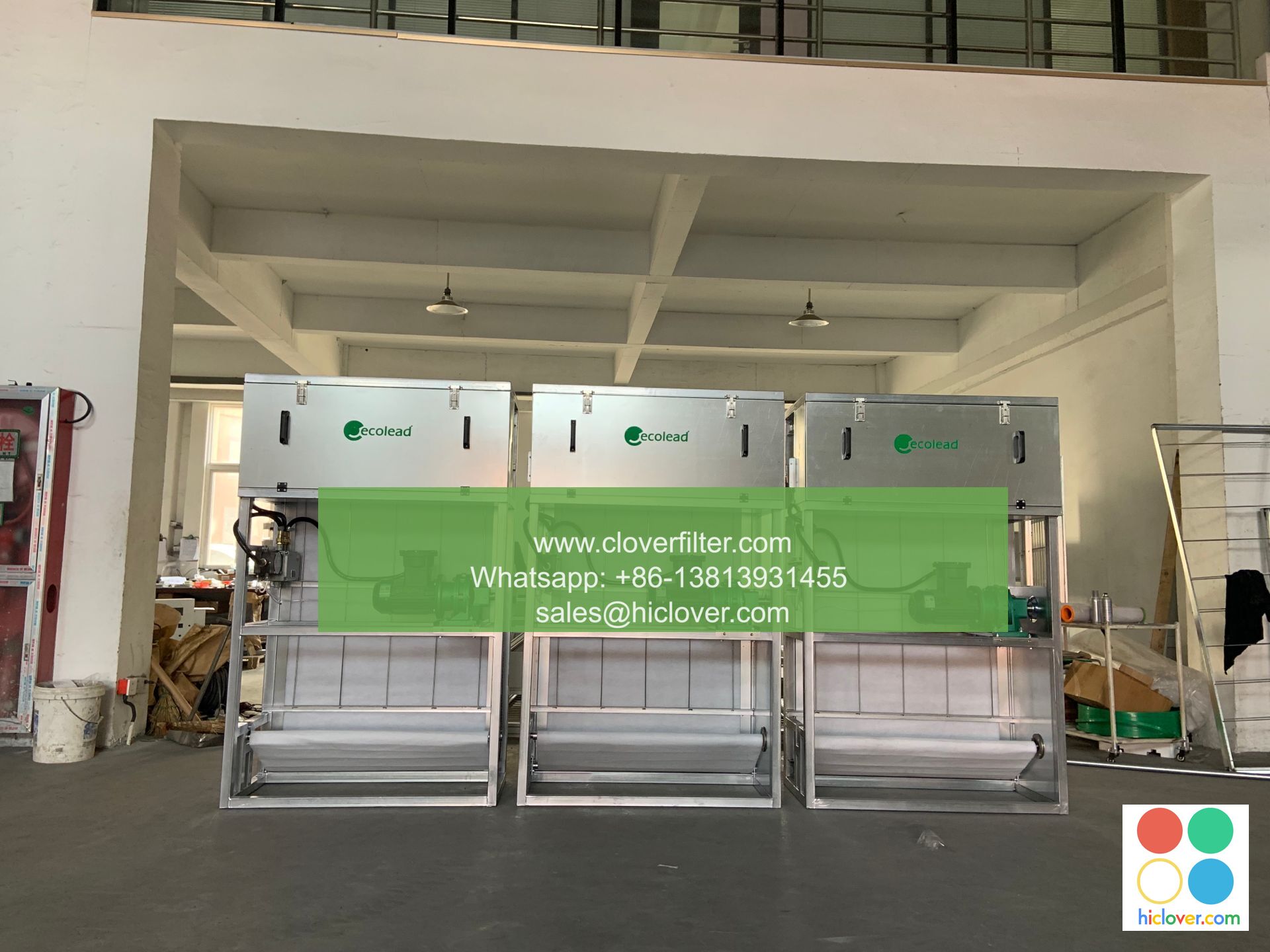
The Advantages of Nanofiber Over Conventional Cotton-Based Air Filter
Next-Generation Air Filtration: The Rise of Nanofibers

In recent years, the air filtration industry has witnessed a significant shift towards the adoption of nanofiber technology, surpassing traditional cotton-based air filters. This remarkable transformation is attributed to the numerous advantages of nanofiber over its cotton-based counterpart. In this article, we’ll delve into the benefits of nanofiber air filters and explore their vast applications across various industries.
Higher Efficiency and Capture Rate
Nanofiber air filters boast a remarkably higher capture rate compared to traditional cotton-based filters. The unique properties of nanofibers, such as their extremely fine diameter and porous structure, allow for a more efficient capture of particles as small as 0.01 microns. This is particularly crucial in industrial settings, medical facilities, and domestic spaces, where air quality has a direct impact on human health.
**Improved Durability and Self-Cleaning Properties

Nanofiber filters are designed with self-cleaning properties, which enables them to maintain their effectiveness in air filtration for a longer period. Unlike cotton-based filters, which may require frequent cleaning or replacement, nanofiber filters can sustain their performance for an extended duration. This reduced maintenance requirement translates into significant cost savings and increased efficiency.
**Enhanced Moisture Handling and Anti-Static Properties
Another significant advantage of nanofiber air filters lies in their exceptional moisture-handling capabilities. Unlike cotton-based filters, which may become saturated and lose their effectiveness, nanofiber filters can efficiently manage high levels of humidity. This is particularly beneficial in areas with high humidity, such as coastal regions or humid industrial settings.
****Anti-static properties also play a crucial role in determining the effectiveness of air filters. Nanofiber filters exhibit natural anti-static properties, which prevent the accumulation of electrostatic charges, thus minimizing the risk of dust explosions and other safety hazards.
**Increased Surface Area and Improved Particle Separation
The porous structure of nanofibers provides an enormous surface area, allowing for enhanced particle separation. This results in a more efficient capture of particles, including those as small as 0.01 microns. This heightened level of particle separation enables nanofiber filters to perform exceptionally well in a variety of applications, including laboratories, medical facilities, and industrial settings.
**Applications of Nanofiber Air Filters
The advantages of nanofiber air filters have extended their reach across various industries, including:
- Laboratories: Nanofiber filters are ideal for laboratories, where precise control is necessary to protect sensitive equipment and ensure the integrity of research experiments.
- Medical Facilities: The high capture rate and anti-static properties of nanofiber filters make them a popular choice for medical facilities, where air quality is critical to patient care and safety.
- Industrial Settings: Nanofiber filters are widely used in industrial settings, including manufacturing, chemical processing, and power generation, where air quality has a direct impact on worker health and safety.
- Domestic Spaces: Homeowners are increasingly opting for nanofiber air filters to ensure a healthier indoor environment, free from allergens, pollutants, and airborne pathogens.
Conclusion
The rise of nanofiber over conventional cotton-based air filters is a testament to its superior performance and adaptability. With its enhanced capture rate, self-cleaning properties, and ability to handle high levels of humidity, nanofiber filters have established themselves as the preferred choice in various industries. As we continue to face the challenges of air pollution and environmental sustainability, nanofiber air filters are poised to play a pivotal role in ensuring a cleaner, healthier, and safer environment for generations to come.
You’d like to talk about prompts! What’s on your mind about prompts? Do you have a specific question or topic you’d like to explore? I’m here to help!
