The Air Filter Alliance Effect: How Partnerships Can Drive Policy Change
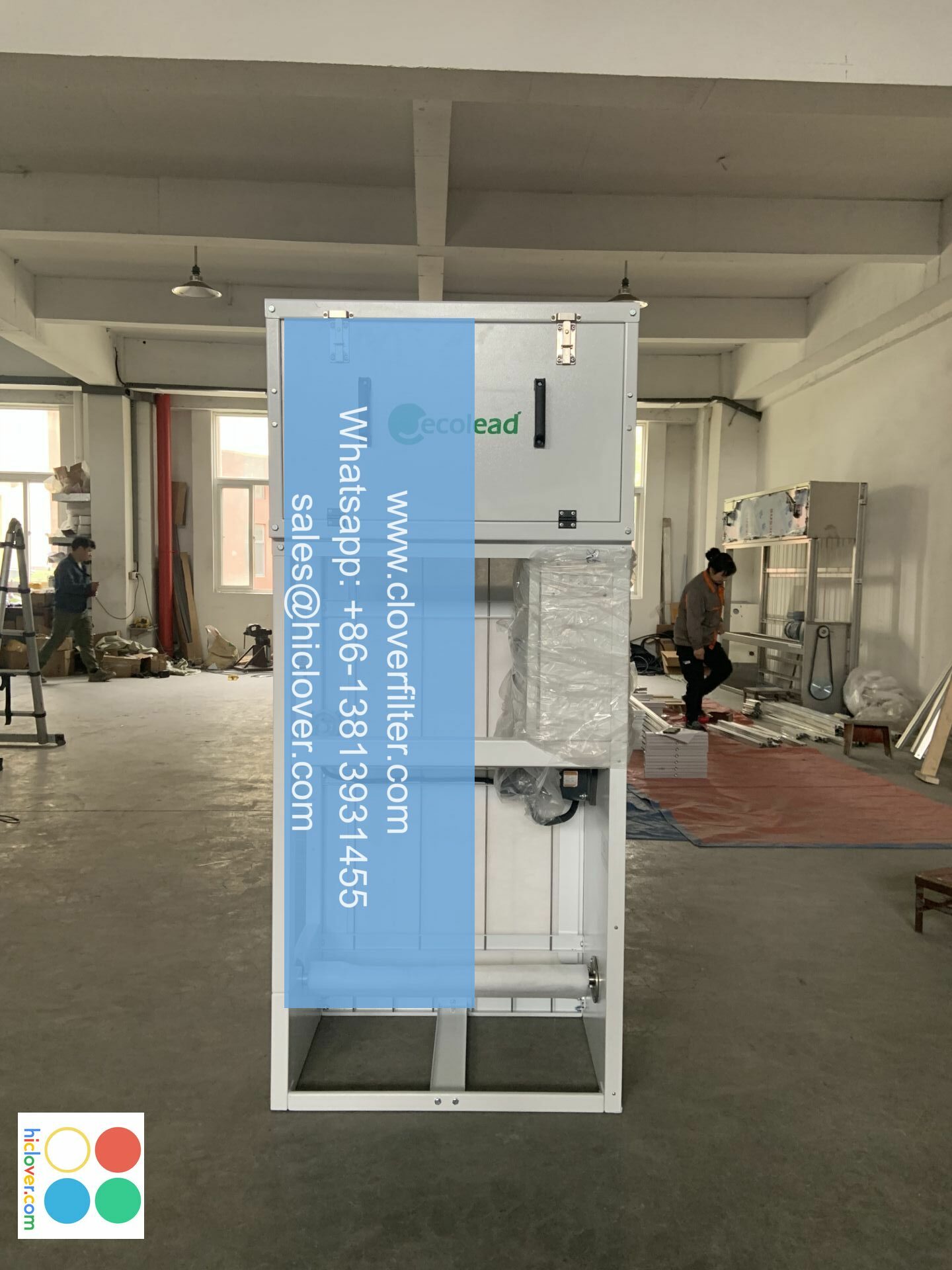
In recent years, the importance of indoor air quality has become a pressing concern, with air pollution being identified as a major contributor to respiratory diseases and other health problems. To address this issue, the Air Filter Alliance was formed, bringing together industry leaders, research institutions, and government agencies to promote the use of high-efficiency air filters and advocate for policy changes that support improved indoor air quality.
The Power of Partnerships
The Air Filter Alliance Effect is a prime example of how collaborative partnerships can drive policy change and promote sustainable development. By working together, Alliance members have been able to share knowledge, pool resources, and amplify their message, ultimately leading to the development of more stringent air quality standards and the adoption of cleaner technologies.
Highlighting Application Areas
The Air Filter Alliance Effect has far-reaching implications for various application areas, including:
* Commercial buildings: The use of high-efficiency air filters can significantly reduce energy consumption and greenhouse gas emissions, while also improving indoor air quality and promoting occupant health.
* Residential homes: The installation of air filtration systems can help reduce exposure to airborne pollutants and allergens, creating a healthier living environment for families.
* Industrial settings: The implementation of advanced air filtration technologies can help reduce emissions and particulate matter, improving air quality and reducing the environmental impact of industrial activities.
Driving Policy Change
The Air Filter Alliance Effect has also driven policy change at the local, national, and international levels. By advocating for stricter air quality standards and incentivizing the adoption of cleaner technologies, the Alliance has helped shape policy frameworks that support sustainable development and promote public health.

Conclusion
In conclusion, the Air Filter Alliance Effect demonstrates the power of collaborative partnerships in driving policy change and promoting sustainable development. By working together, industry leaders, research institutions, and government agencies can share knowledge, pool resources, and amplify their message, ultimately leading to the development of more stringent air quality standards and the adoption of cleaner technologies. As the world continues to grapple with the challenges of air pollution and climate change, the Air Filter Alliance Effect serves as a model for effective partnerships and policy-driven change. You haven’t asked a question or provided any context. Please provide more information or ask a question, and I’ll do my best to assist you. What’s on your mind?
