The Air Filter Association’s Guide to Air Filter Selection for Commercial and Industrial Systems

In today’s rapidly evolving commercial and industrial landscape, air quality is of paramount importance. The Air Filter Association (AFA) provides an invaluable guide to air filter selection, helping businesses enhance operational efficiency while ensuring the health and safety of workers. This article delves into the key components of the guide and highlights various application areas for air filtration systems.
Understanding Air Filters: Types and Functions
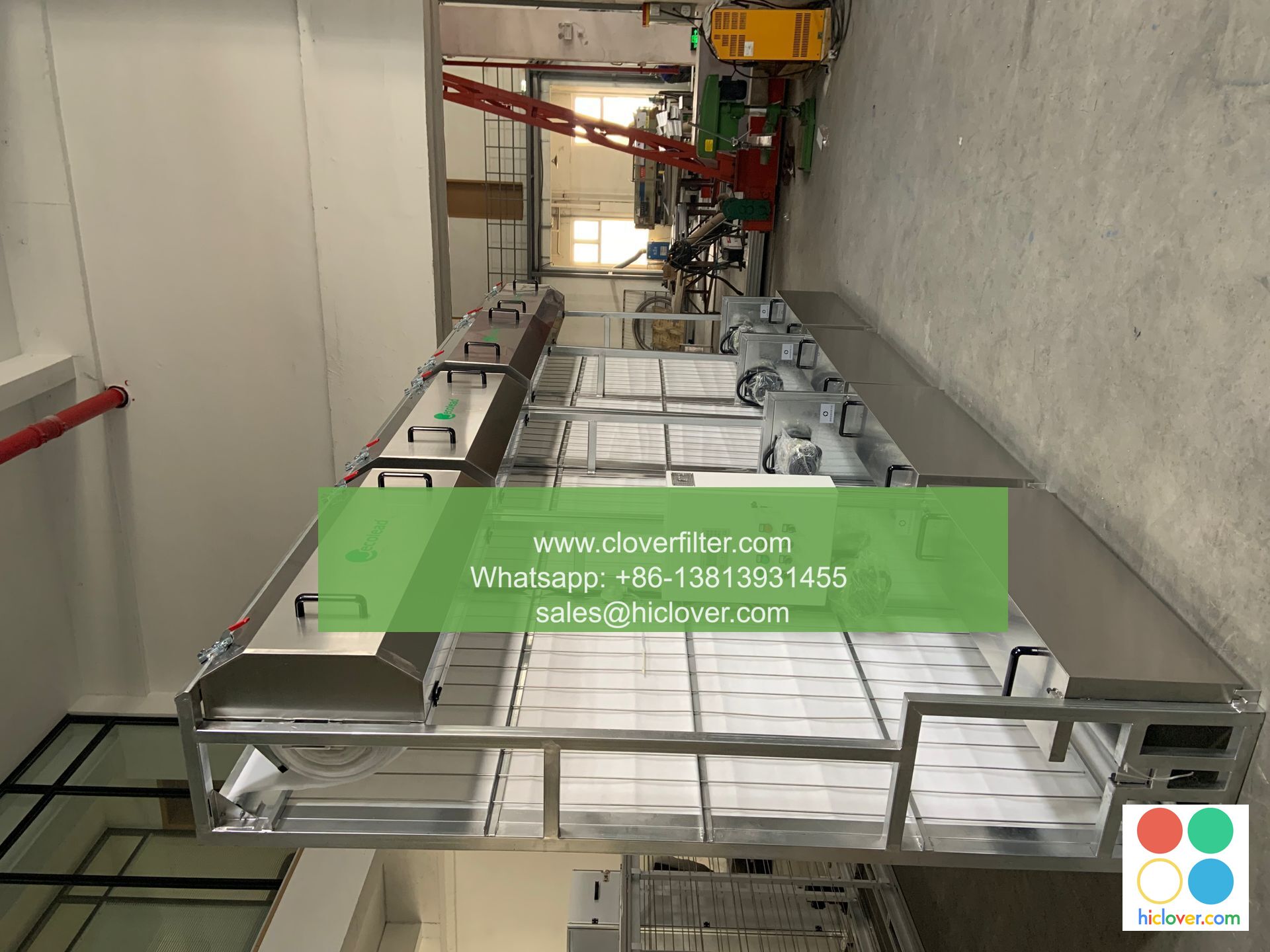
The AFA outlines several types of air filters suitable for different environments. Here are a few of the most common types:
- HEPA Filters: High-Efficiency Particulate Air filters are designed to trap 99.97% of particles as small as 0.3 microns, making them ideal for hospitals and clean rooms.
- ULPA Filters: Ultra-Low Penetration Air filters are even more efficient than HEPA filters, capturing particles down to 0.1 microns, suitable for pharmaceutical manufacturing.
- Electrostatic Filters: These filters utilize electric charges to attract and capture particles, making them effective in office buildings and retail spaces.
Application Areas for Commercial Air Filtration
The selection of air filters must consider where they will be used. The AFA provides insights into various application areas:

1. Healthcare Facilities
In hospitals and clinics, maintaining air quality is crucial to patient safety. AFA recommends using HEPA filters to ensure airborne contaminants are kept to a minimum, greatly reducing the risk of infections.
2. Manufacturing Plants
In industrial settings, air filters help protect sensitive production processes. ULPA filters are often recommended for environments where even the smallest particles can affect product quality.
3. Office Spaces and Retail Environments
Electrostatic filters are advantageous in these areas as they not only enhance air quality but also operate quietly, ensuring a pleasant ambiance for customers and employees.
Key Factors in Air Filter Selection
According to the AFA, several factors should influence your choice of air filter:
- Filter Efficiency: Consider the minimum efficiency reporting value (MERV) ratings. Higher MERV ratings correlate with better performance but may also restrict airflow.
- Head Pressure: Understand the pressure drop across the filter, as higher pressure drops can lead to increased energy costs.
- Cost and Replacement Cycle: Analyze initial costs versus long-term maintenance costs. Some filters may require more frequent replacements, impacting overall cost-effectiveness.
Conclusion
The Air Filter Association’s guide to air filter selection serves as an essential resource for businesses operating in various industries. By selecting the appropriate filters for their specific needs, organizations can improve indoor air quality while promoting sustainability and operational efficiency. Whether you’re managing a healthcare facility, a manufacturing plant, or an office space, following the AFA’s guidelines will help ensure the well-being of employees and customers alike.
Of course! Please provide the prompt you would like assistance with, and I’ll be happy to help.
