The Air Filter Coalition’s Efforts to Improve Air Quality in Commercial Buildings
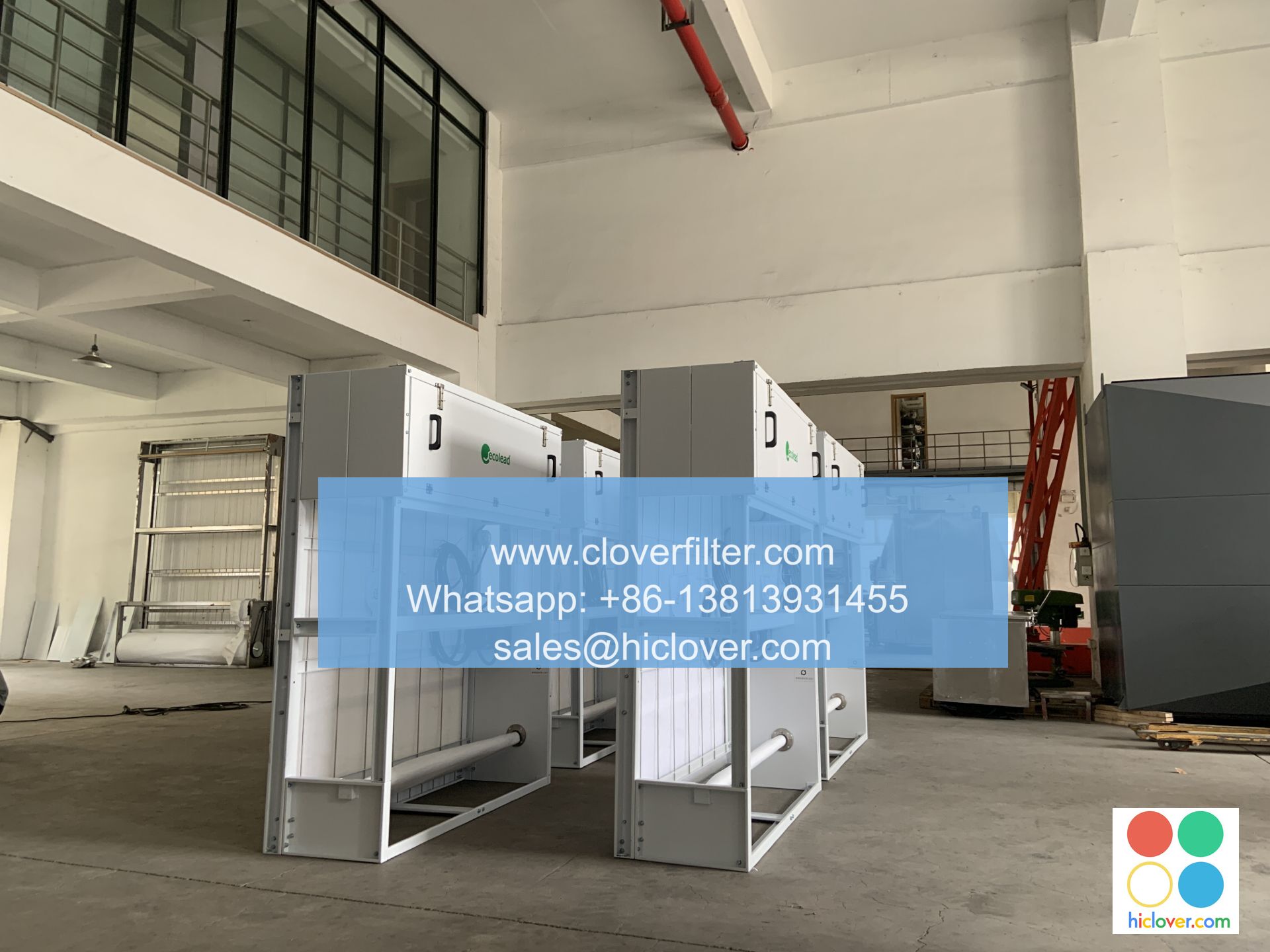
The importance of clean, breathable air in commercial buildings cannot be overstated. Indoor air quality (IAQ) is essential not only for the health and well-being of building occupants but also for enhancing productivity and reducing absenteeism. The Air Filter Coalition (AFC) is at the forefront of efforts to improve air quality across various commercial sectors. This article will explore the coalition’s initiatives, highlight key application areas, and discuss the implications of their work on healthier environments.
Understanding the Air Filter Coalition

The Air Filter Coalition is a dedicated group of manufacturers, researchers, and industry experts focused on addressing air quality issues through the promotion of effective air filtration solutions. Their mission revolves around optimizing indoor environments in offices, schools, hospitals, and other commercial facilities, where air quality can significantly impact health and productivity.
Key Initiatives of the Air Filter Coalition
1. Standardization of Filtration Systems
One of the coalition’s primary initiatives is the standardization of air filtration systems used in commercial buildings. By establishing clear guidelines and metrics for assessing filtration efficiency, the AFC aims to streamline the selection process for building managers and ensure that only the highest-quality, most effective filters are used. This initiative is particularly significant in the following application areas:
- Office Buildings: Enhancing air filtration can reduce airborne contaminants, creating a healthier workspace.
- Healthcare Facilities: In hospitals and clinics, superior air filtration reduces the risk of airborne transmission of pathogens.
- Educational Institutions: Ensuring that schools implement effective air filtration systems protects students and staff from indoor air pollutants.
- Manufacturing Plants: Proper filtration can minimize dust and particulate matter that affect both worker health and product quality.
- High-Rise Buildings: Researching air quality in large structures helps in understanding how air circulation patterns can be optimized.
- Data Centers: In tech-heavy environments, maintaining optimal air quality is crucial for equipment longevity and energy efficiency.
- Increased Productivity: Better air quality correlates with improved concentration and reduced absenteeism, ultimately leading to higher output.
- Sustainable Practices: The AFC promotes eco-friendly filtration options that align with green building standards, making commercial spaces not just healthier but also more sustainable.
- Awareness and Perception: Many building managers remain unaware of the importance of well-designed air filtration systems, leading to a reluctance to invest in upgrades.
- Adapting to New Regulations: As regulatory standards for indoor air quality evolve, the coalition must stay ahead by ensuring compliance and advocating for effective solutions.
2. Education and Training Programs
The AFC also conducts educational programs to inform facility managers and building owners about the importance of air quality and how to select the right air filter solutions. By providing resources and training, the coalition empowers decision-makers to prioritize air quality in their operations. The targeted application areas include:
3. Collaborative Research Projects
Research is central to the AFC’s mission to enhance air quality. The coalition collaborates with researchers and universities to study the effectiveness of various filter technologies and their impact on IAQ. Such studies often focus on:
Importance of Indoor Air Quality in Commercial Buildings
Improving air quality in commercial buildings has far-reaching implications that extend beyond health. Enhanced IAQ leads to:
Challenges Ahead
Despite these significant advances, the AFC faces ongoing challenges in its efforts to improve air quality:
Conclusion
The Air Filter Coalition plays a vital role in improving air quality within commercial buildings. Through initiatives in standardization, education, and collaborative research, the coalition addresses pressing air quality issues across multiple sectors. As businesses increasingly recognize the link between air quality, health, and productivity, the AFC’s efforts will continue to be essential in fostering healthier indoor environments.
Call to Action
For building managers, facility operators, and stakeholders, engaging with the Air Filter Coalition can provide valuable insights and resources to enhance indoor air quality. Prioritizing air filtration is not just a matter of compliance but a commitment to fostering healthier, more productive workspaces in the ever-important realm of commercial architecture.
It looks like you entered “Prompt” but didn’t provide any specific instructions or context. Could you please elaborate on what you’re looking for? Whether you need help with writing, brainstorming ideas, or something else entirely, I’m here to assist!
