The Air Filter Guide for Commercial Kitchens: Everything You Need to Know
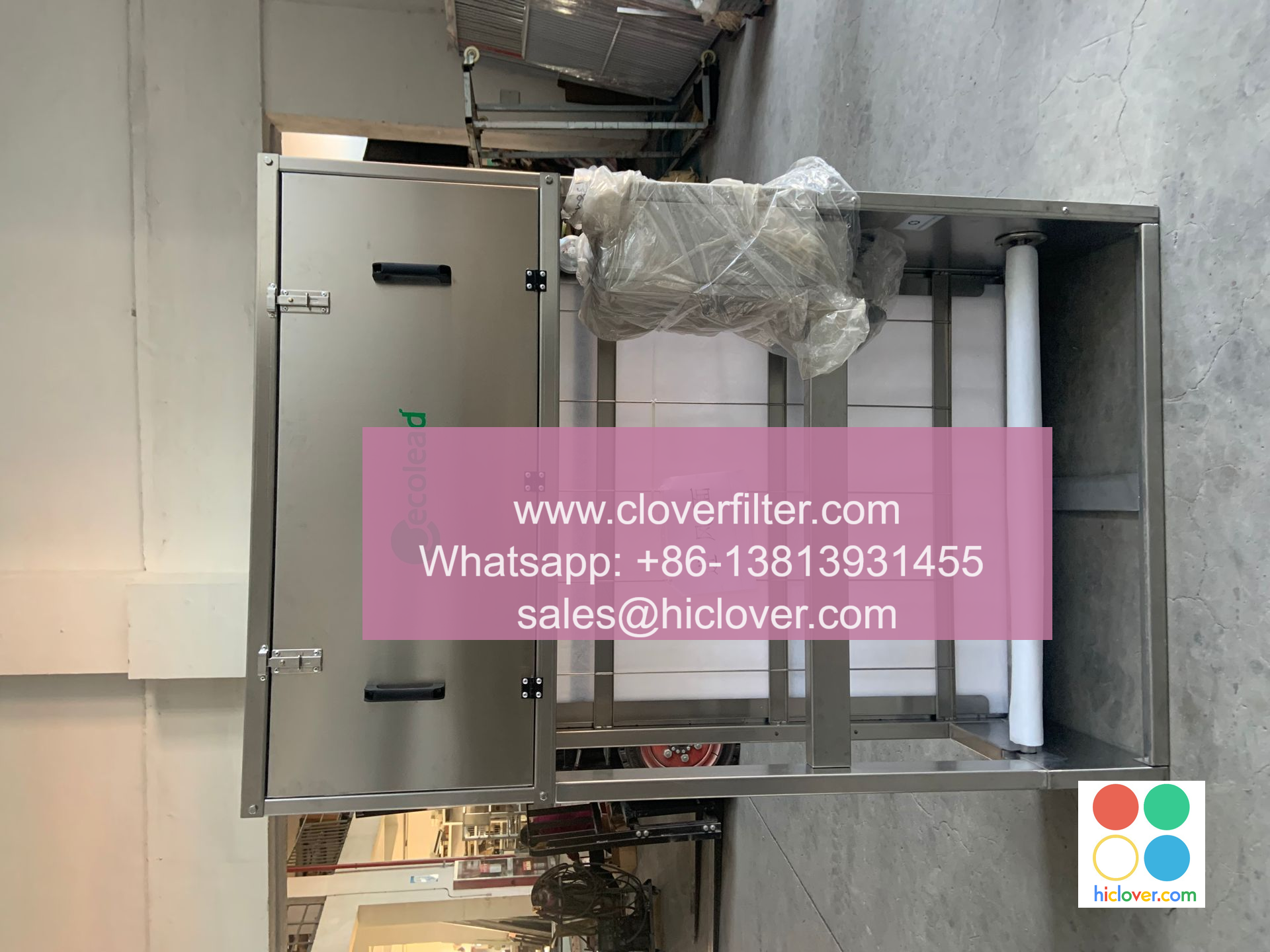
Operating a commercial kitchen comes with unique challenges, one of which is maintaining air quality. The air filter is an essential component for ensuring a safe and healthy working environment. In this guide, we explore everything you need to know about air filters for commercial kitchens, including types, benefits, maintenance, and various applications.

Why Air Filters Matter in Commercial Kitchens
In a commercial kitchen, the air can be contaminated with grease, smoke, odors, and various airborne particles. Effective air filtration is crucial to:
- Enhance employee comfort and safety.
- Prevent the buildup of grease and other combustibles.
- Improve air quality for food preservation.
Types of Air Filters for Commercial Kitchens

Understanding the different types of air filters will help you select the right one for your kitchen. Here are the most common types:
1. Grease Filters
Grease filters are essential in any kitchen because they capture airborne grease particles. They are typically made of aluminum or stainless steel and require regular cleaning to remain effective.
2. High-Efficiency Particulate Air (HEPA) Filters
HEPA filters are highly effective in trapping fine particles, making them ideal for areas that require stringent air quality standards. They are often used in bakeries and cold storage areas.
3. Activated Carbon Filters
Activated carbon filters are excellent for removing odors from the air. They work through adsorption, capturing volatile organic compounds (VOCs) and other odors, ensuring a fresher environment.
4. Electrostatic Filters
Electrostatic filters use static electricity to capture particles, improving air quality without the need for frequent replacements. They are efficient and low-maintenance, making them a good option for busy kitchens.
Benefits of Air Filters in Commercial Kitchens
Investing in quality air filters comes with multiple benefits:
- Health and Safety: Proper air filtration reduces the risk of respiratory issues among staff.
- Compliance: Meeting health regulations for air quality helps prevent fines and closures.
- Equipment Longevity: Clean air helps protect cooking equipment from grease buildup, extending its lifespan.
Maintaining Your Air Filters
Regular maintenance is key to ensuring the longevity and effectiveness of filters. Here are some tips:
- Check filters monthly and clean or replace as needed.
- Keep a maintenance schedule to track when filters need changing.
- Invest in quality filters that fit the specific needs of your kitchen.
Application Areas of Air Filters in Commercial Kitchens
Air filters can be utilized in various areas within a commercial kitchen:
1. Cooking Areas
Cooking areas generate the most smoke and grease, making the need for efficient grease and particulate filtration critical.
2. Prep Areas
In prep areas where ingredients are sliced and diced, maintaining clean air can help in preventing contamination of food products.
3. Serving Areas
In dining and serving areas, activated carbon filters work great to manage odors and improve the overall dining experience.
Conclusion
Understanding air filtration in commercial kitchens is essential for maintaining air quality, ensuring health and safety, and complying with regulations. By selecting the right types of filters, committing to regular maintenance, and realizing the application areas, you can significantly enhance your kitchen operations. Keep your staff and customers happy by investing in quality air filtration solutions!
It seems like you entered “Prompt” without additional context. Could you please provide more details about what type of prompt you’re looking for? This could involve creative writing, a question, a topic for discussion, or something else entirely. Your guidance will help me assist you better!
