The Benefits of Advanced Air Filters
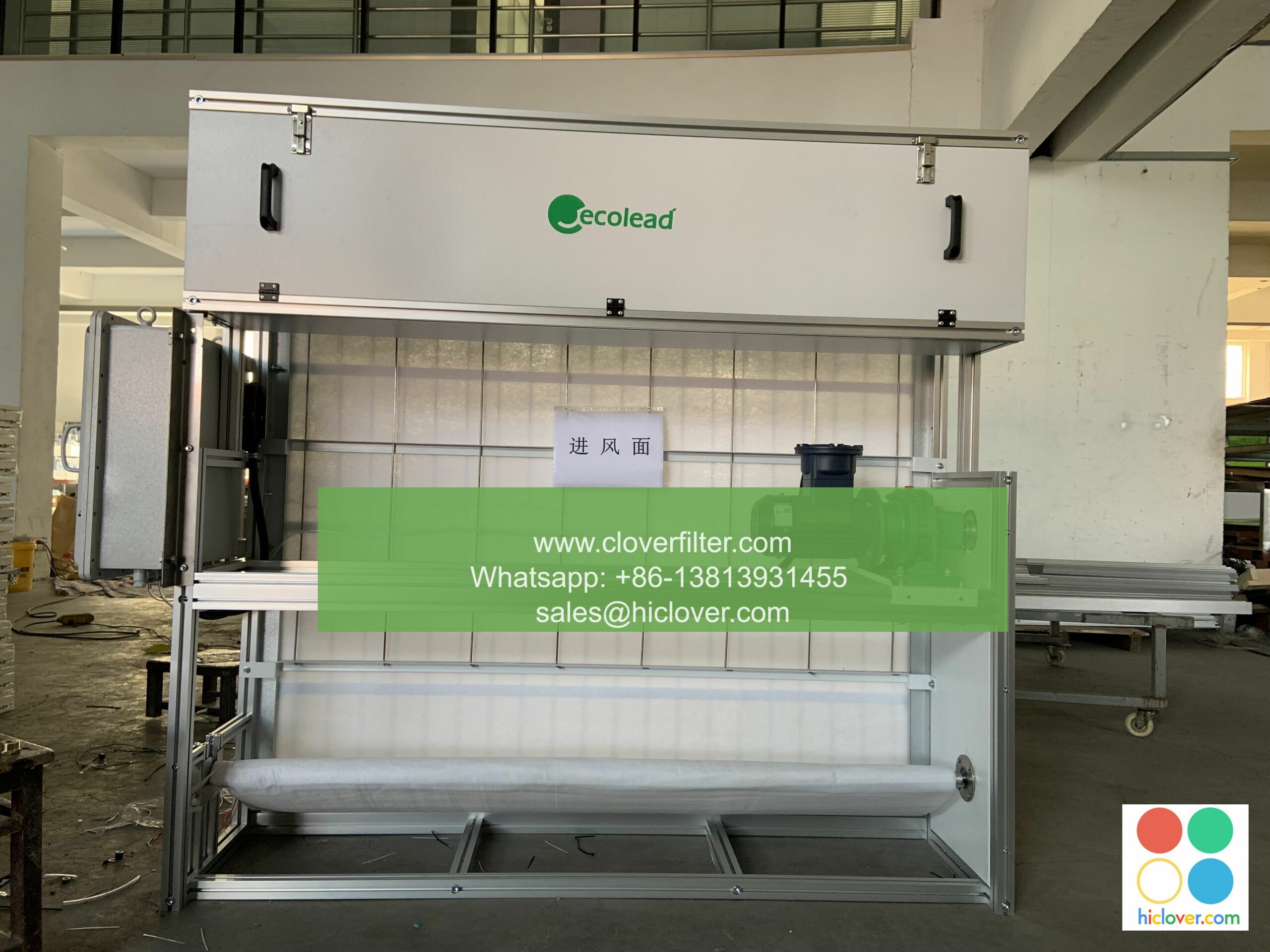
Advanced air filters have become a crucial component in maintaining a healthy and comfortable indoor environment. With the increasing awareness of air pollution and its adverse effects on human health, the demand for high-efficiency air filtration systems has grown significantly. In this article, we will discuss the benefits of advanced air filters, their application areas, and how they can improve indoor air quality and overall health.
Removing Airborne Pollutants and Allergens
Advanced air filters are designed to capture a wide range of airborne pollutants and allergens, including particulate matter (PM), nitrogen dioxide (NO2), ozone (O3), and volatile organic compounds (VOCs). These filters use advanced technologies such as nanofiltration, ultraviolet (UV) light, and activated carbon to remove pollutants and allergens, providing a cleaner and healthier indoor air environment. By removing airborne pollutants and allergens, advanced air filters can help alleviate respiratory issues such as asthma, reduce the risk of cardiovascular disease, and minimize the transmission of airborne diseases.
Improving Indoor Air Quality in Various Application Areas
Advanced air filters have a wide range of application areas, including:
* Commercial buildings: Offices, restaurants, and shopping malls can benefit from advanced air filters to improve indoor air quality and reduce the risk of airborne diseases.
* Residential homes: Advanced air filters can be installed in homes to remove airborne pollutants and allergens, providing a healthier indoor environment for families.
* Industrial settings: Advanced air filters can be used in industrial settings to remove hazardous airborne pollutants and improve worker health and safety.
* Healthcare facilities: Advanced air filters are crucial in healthcare facilities to prevent the transmission of airborne diseases and maintain a sterile environment.
* Transportation systems: Advanced air filters can be used in vehicles, trains, and airplanes to improve indoor air quality and reduce the risk of airborne diseases.
Key Benefits of Advanced Air Filters
The key benefits of advanced air filters include:
* Improved indoor air quality: Advanced air filters can remove a wide range of airborne pollutants and allergens, providing a cleaner and healthier indoor air environment.
* Reduced risk of airborne diseases: By removing airborne pollutants and allergens, advanced air filters can minimize the transmission of airborne diseases.
* Relief from respiratory issues: Advanced air filters can help alleviate respiratory issues such as asthma and reduce the risk of cardiovascular disease.
* Energy efficiency: Advanced air filters can help reduce energy consumption by minimizing the need for heating and cooling systems.
* Extended equipment life: Advanced air filters can help extend the life of equipment by removing airborne pollutants and allergens that can damage equipment.

Conclusion
In conclusion, advanced air filters offer numerous benefits, including improved indoor air quality, reduced risk of airborne diseases, relief from respiratory issues, energy efficiency, and extended equipment life. With their wide range of application areas, advanced air filters can be used in various settings to provide a healthier and more comfortable indoor environment. As the demand for high-efficiency air filtration systems continues to grow, it is essential to invest in advanced air filters to maintain a healthy and sustainable indoor environment. It looks like you haven’t given me a prompt yet. What would you like to talk about or ask? I can summarize a topic, answer a question, create a story, or even just chat with you. What’s on your mind?
