The Benefits of Air Filter Analysis for Energy Efficiency
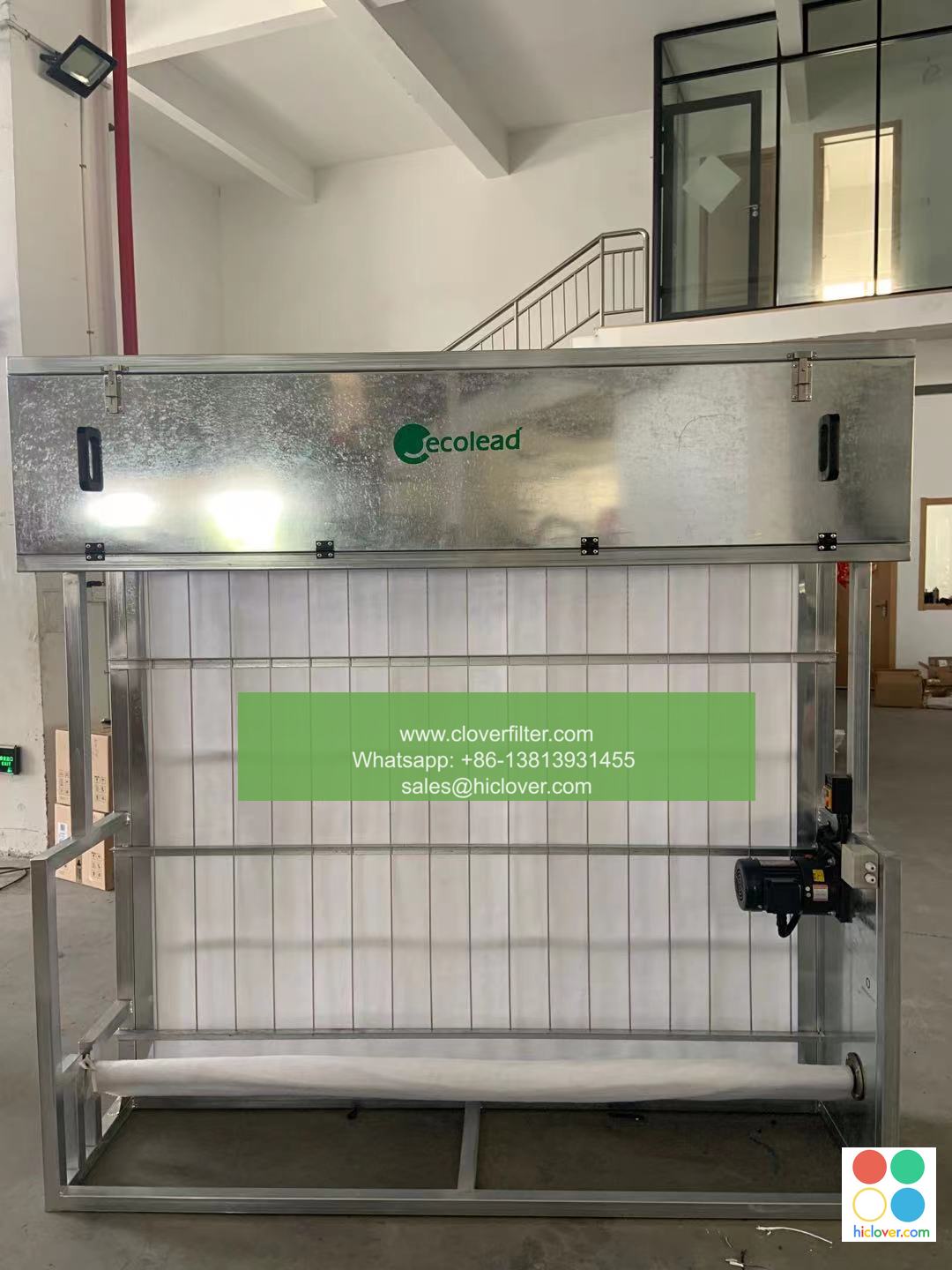
Air filter analysis is a crucial aspect of maintaining a building’s heating, ventilation, and air conditioning (HVAC) system, as it plays a significant role in ensuring energy efficiency and indoor air quality (IAQ). In this article, we will explore the benefits of air filter analysis and its applications in various industries.
Introduction to Air Filter Analysis
Air filter analysis involves the examination of air filters to determine their efficacy and performance. This process helps to identify areas of improvement, optimize air filtration systems, and reduce energy consumption. By analyzing air filters, building owners and facility managers can ensure that their HVAC systems are operating at peak efficiency, resulting in significant cost savings and a reduced carbon footprint.
Benefits of Air Filter Analysis
The benefits of air filter analysis are numerous and can be seen in various aspects of a building’s operation. Some of the key benefits include:
* Improved Indoor Air Quality (IAQ): Air filter analysis helps to ensure that the air filters are capturing particulate matter (PM), volatile organic compounds (VOCs), and other airborne contaminants, resulting in cleaner and healthier indoor air.
* Increased Energy Efficiency: By optimizing air filtration systems, buildings can reduce their energy consumption and lower their energy bills.
* Extended Equipment Life: Regular air filter analysis can help to prevent premature equipment failure and extend the life of HVAC systems.
* Compliance with Regulations: Air filter analysis can help buildings comply with indoor air quality regulations and energy efficiency standards.
Applications of Air Filter Analysis
Air filter analysis has a wide range of applications across various industries, including:
* Commercial Buildings: Office buildings, shopping centers, and hotels can benefit from air filter analysis to improve IAQ and reduce energy consumption.
* Industrial Facilities: Manufacturing plants, warehouses, and industrial facilities can use air filter analysis to optimize their air filtration systems and improve worker safety.
* Healthcare Facilities: Hospitals, clinics, and healthcare facilities require high-quality air filtration systems to prevent the spread of airborne diseases and ensure patient safety.
* Residential Buildings: Homeowners can benefit from air filter analysis to improve IAQ and reduce energy bills.

Conclusion
In conclusion, air filter analysis is a crucial aspect of maintaining a building’s HVAC system and ensuring energy efficiency and indoor air quality. By analyzing air filters, building owners and facility managers can identify areas of improvement, optimize air filtration systems, and reduce energy consumption. With its wide range of applications across various industries, air filter analysis is an essential tool for anyone looking to improve the sustainability and comfort of their building. It looks like you’re ready to start a conversation or get some help, but you haven’t specified what you need yet. How can I assist you today? Do you have a question, need information on a specific topic, or perhaps want to engage in a fun conversation?
