The Benefits of Air Filter Coalitions for Industrial Air Quality
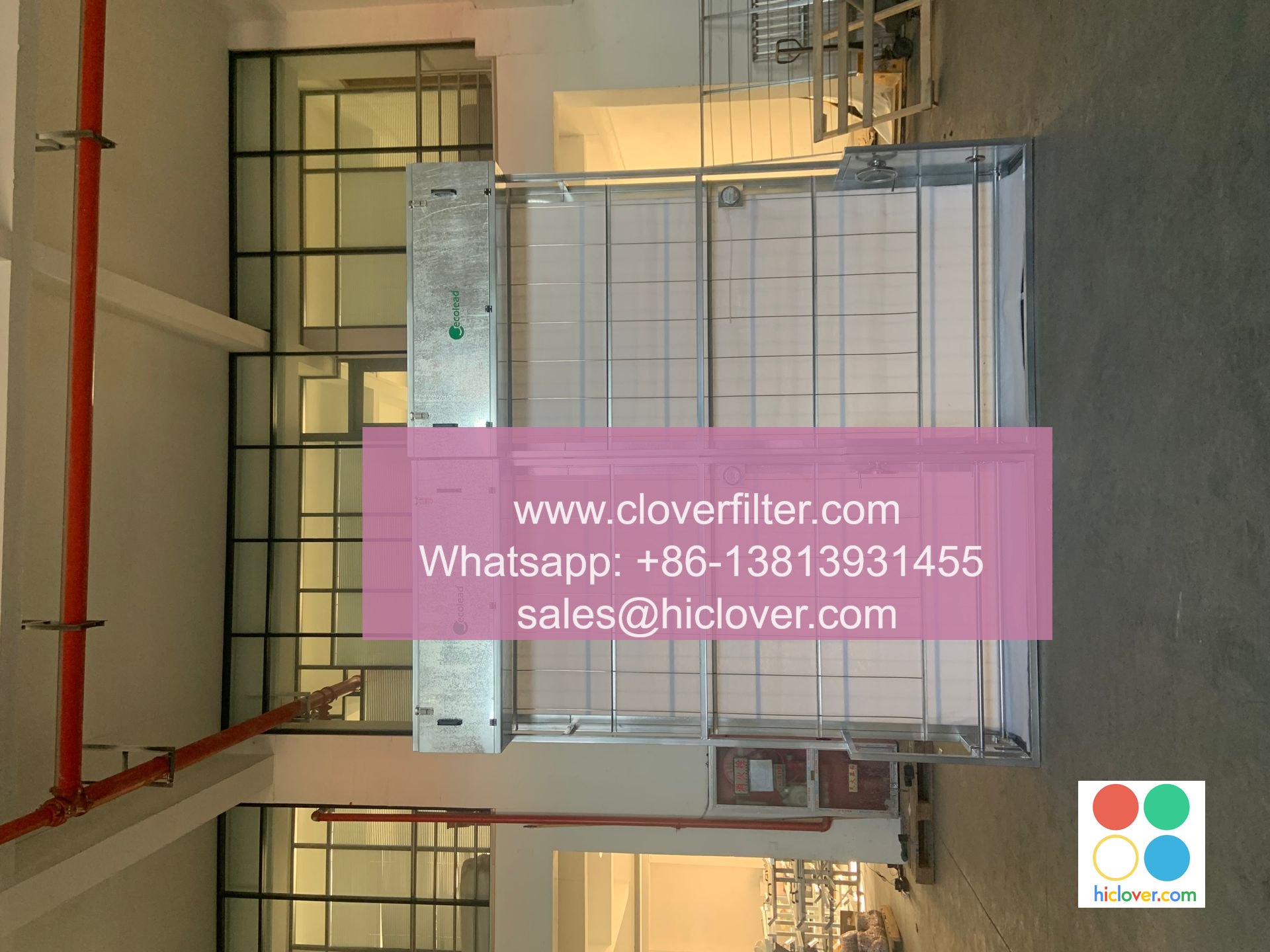
In today’s rapidly industrializing world, maintaining optimal air quality is more crucial than ever. Air filter coalitions have emerged as a powerful solution for industries seeking to improve air quality and comply with environmental standards. This article outlines the benefits of these coalitions and their applications in various sectors.
What are Air Filter Coalitions?

Air filter coalitions are collaborative groups formed by businesses, organizations, and stakeholders dedicated to improving air quality through shared resources, knowledge, and technology. These coalitions often focus on the collective procurement of advanced air filtration systems and strategies tailored to unique industrial needs.
Benefits of Air Filter Coalitions
1. Cost Savings
One of the primary benefits of joining an air filter coalition is the potential for significant cost savings. By pooling resources for purchasing advanced filtration systems, industries can negotiate better pricing and overcome individual budget constraints.
2. Enhanced Air Quality
Industrial processes can produce harmful particulates and volatile organic compounds (VOCs), adversely affecting employee health and productivity. Air filter coalitions promote the adoption of high-efficiency air filtration technologies, leading to significant improvements in indoor air quality across various industrial settings.

3. Regulatory Compliance
With stringent regulations regarding air quality, air filter coalitions help industries remain compliant with local and national environmental standards. By collaborating on compliance strategies, coalition members can share best practices and stay informed about changing regulations.
4. Knowledge Sharing
Membership in a coalition allows industries to access a wealth of expertise and information on air filtration technologies and practices. This collaborative learning environment fosters innovation and helps members stay at the forefront of air quality management.
Application Areas of Air Filter Coalitions
1. Manufacturing Industries
Manufacturing plants often produce air pollutants from machinery and chemical processes. Implementing air filter coalitions can drastically reduce emissions, ensuring safer working conditions for employees and minimal environmental impact.
2. Pharmaceuticals
In the pharmaceutical sector, maintaining sterile environments is paramount. Air filter coalitions support the adoption of advanced HEPA and ULPA filters, enhancing air quality in cleanrooms and laboratories.
3. Food Processing
The food industry must meet strict hygiene and safety regulations. Collaborating through a coalition facilitates the acquisition of air filtration systems that prevent contamination and improve the overall safety of food products.
4. Energy Production
Power plants are significant sources of air pollutants. By joining coalitions, energy producers can invest in state-of-the-art filtration technologies that lower emissions and improve air quality both on-site and in surrounding communities.
Conclusion
For industries aiming to enhance air quality, air filter coalitions offer a multitude of benefits, from cost savings and compliance with regulations to enhanced health and safety conditions. The collaborative nature of these coalitions encourages best practices and innovation, resulting in a comprehensive approach to industrial air quality management. By joining forces, industries can not only protect their employees and the environment but also drive collective progress towards sustainability.
It looks like you entered “Prompt.” Could you please clarify what you would like a prompt for? Whether it’s for writing, creative brainstorming, or a specific topic, I’m here to help!
