The Benefits of Air Filter Components for Medical Equipment
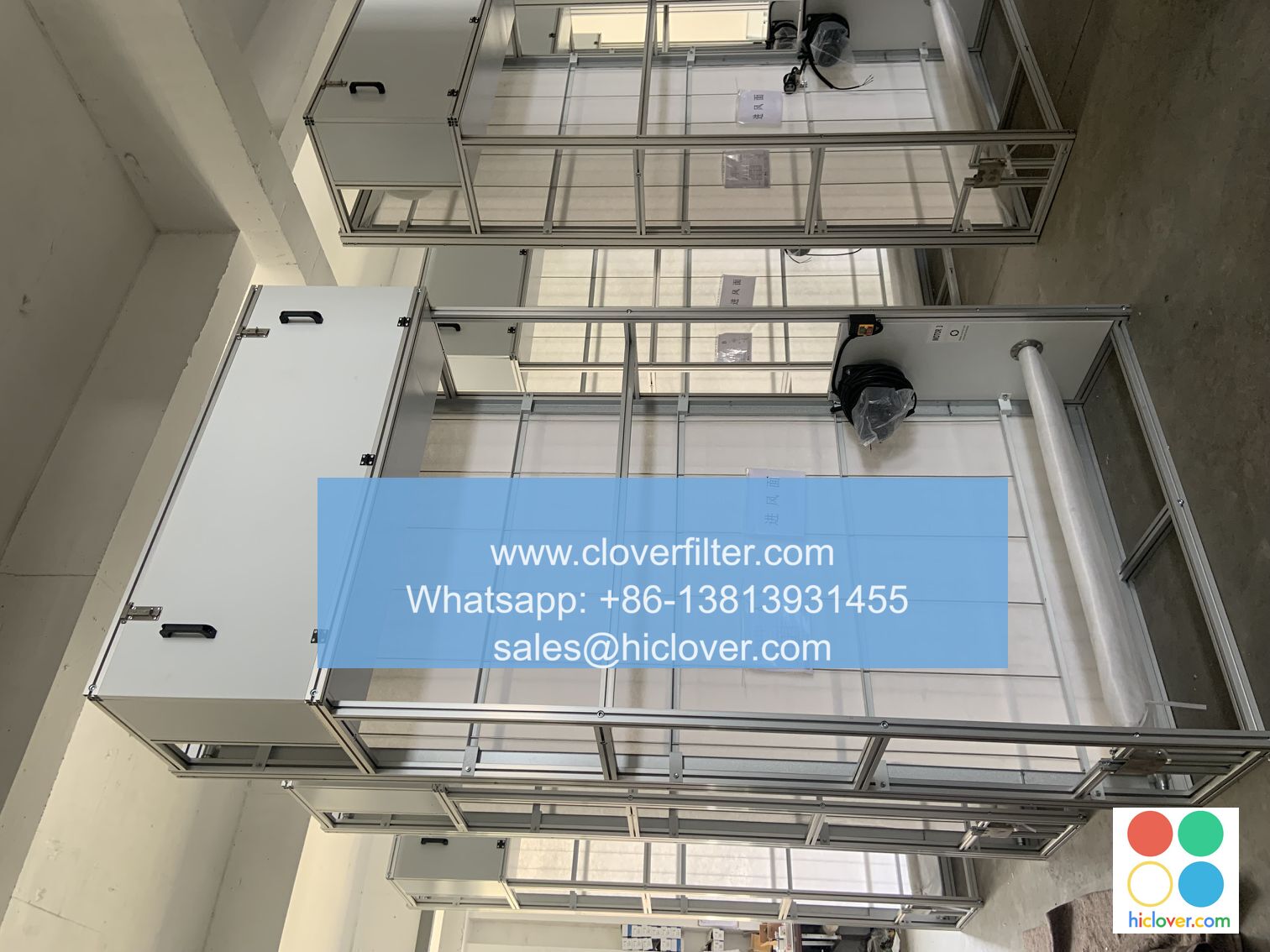
The use of high-quality air filter components for medical equipment is crucial in healthcare settings to ensure the safety and well-being of patients, medical staff, and the general public. Air filters play a vital role in removing contaminants, bacteria, viruses, and other airborne pathogens from the air, thereby preventing the spread of infections and maintaining a sterile environment. In this article, we will explore the benefits HEPA filter technology, ULPA filter systems, and other air filter components for medical equipment, highlighting their various application areas.
Benefits of Air Filter Components for Medical Equipment
Air filter components for medical equipment offer numerous benefits, including:
- Infection control: By removing airborne pathogens, air filters help prevent the spread of infections and maintain a sterile environment in operating rooms, patient rooms, and other healthcare settings.
- Improved indoor air quality: Air filters help remove pollutants, allergens, and other airborne contaminants, improving indoor air quality and creating a healthier environment for patients and medical staff.
- Compliance with regulations: The use of high-quality air filter components helps healthcare facilities comply with regulatory requirements, such as those set by the Joint Commission and the Centers for Disease Control and Prevention (CDC).
- Protection of sensitive equipment: Air filters help protect sensitive medical equipment from damage caused by airborne contaminants, reducing maintenance costs and extending equipment lifespan.
- Operating rooms: Air filters are used to maintain a sterile environment and prevent the spread of infections during surgical procedures.
- Patient rooms: Air filters help remove airborne pathogens and improve indoor air quality, creating a healthier environment for patients.
- Isolation rooms: Air filters are used to prevent the spread of airborne pathogens and maintain a sterile environment in isolation rooms.
- Pharmaceutical facilities: Air filters are used to maintain a sterile environment and prevent contamination during pharmaceutical manufacturing and packaging processes.
- Medical laboratories: Air filters help remove airborne contaminants and improve indoor air quality, creating a safer environment for laboratory personnel.
- HEPA filters: High-efficiency particulate air (HEPA) filters are designed to capture 99.97% of particles as small as 0.3 microns, making them ideal for use in operating rooms, patient rooms, and other healthcare settings.
- ULPA filters: Ultra-low penetration air (ULPA) filters are designed to capture 99.999% of particles as small as 0.12 microns, making them ideal for use in pharmaceutical facilities, medical laboratories, and other applications where ultra-high cleanliness is required.
- Activated carbon filters: Activated carbon filters are used to remove gases, odors, and other airborne contaminants from the air, improving indoor air quality and creating a healthier environment.

Application Areas for Air Filter Components
Air filter components for medical equipment have various application areas, including:

Types of Air Filter Components for Medical Equipment
There are various types of air filter components used in medical equipment, including:
Conclusion
In conclusion, air filter components for medical equipment play a vital role in maintaining a sterile environment, preventing the spread of infections, and improving indoor air quality in healthcare settings. The use of high-quality air filter components, such as HEPA filter technology and ULPA filter systems, is crucial in various application areas, including operating rooms, patient rooms, isolation rooms, pharmaceutical facilities, and medical laboratories. By understanding the benefits and application areas of air filter components for medical equipment, healthcare facilities can ensure a safer and healthier environment for patients, medical staff, and the general public. It seems like you forgot to include the prompt. Please go ahead and provide the prompt, and I’ll be happy to assist you!
