The Benefits of Air Filter Components for Residential HVAC Systems
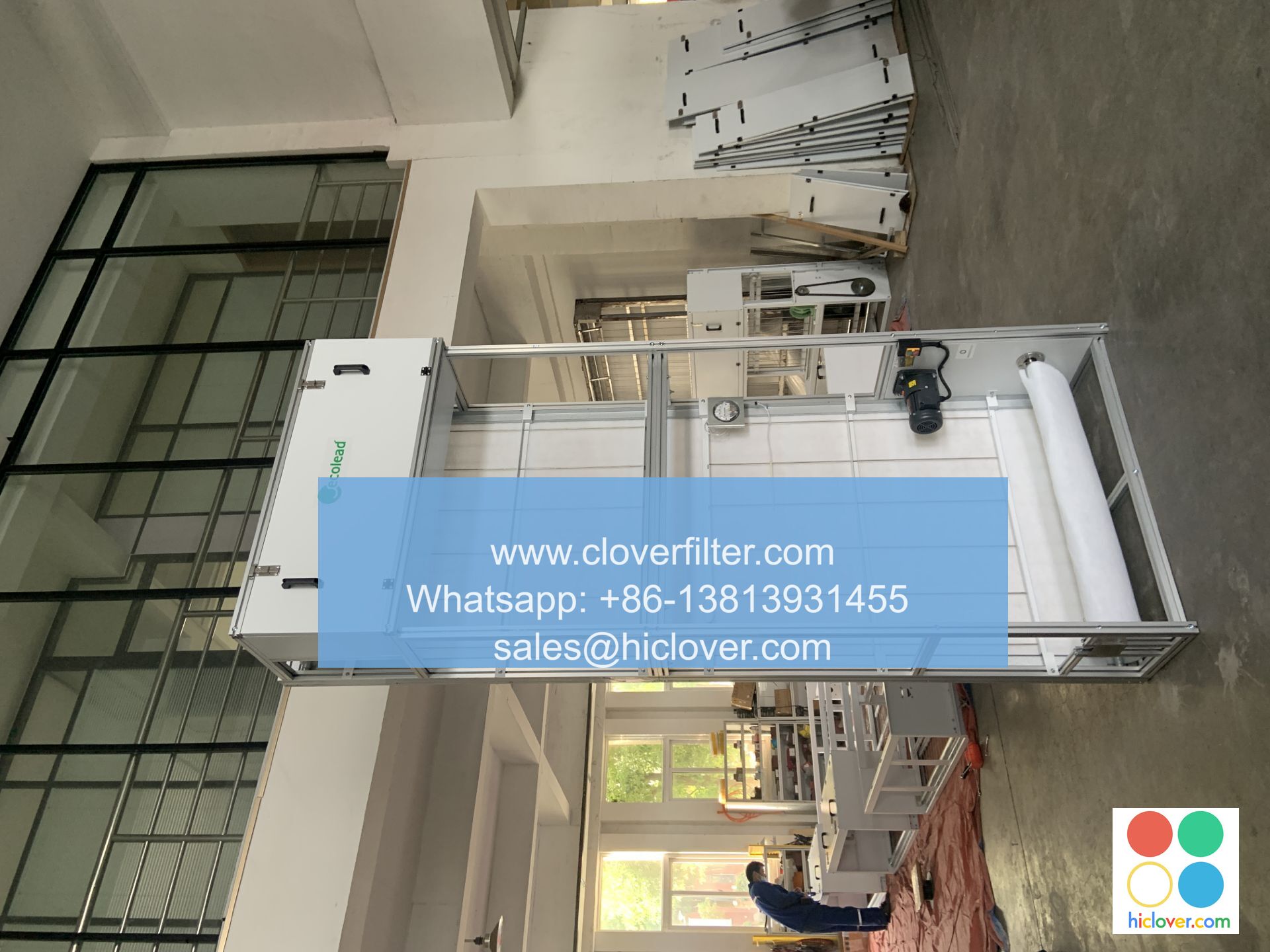
As the world becomes increasingly aware of the need for indoor air quality (IAQ) improvement and energy efficiency optimization, the role of air filter components in residential HVAC systems has become more crucial than ever. In this article, we will explore the benefits of air filter components and their various application areas, highlighting their significance in maintaining a healthy and comfortable living environment.
Improved Indoor Air Quality (IAQ)
Air filter components play a vital role in removing particulate matter (PM), allergens, and pollutants from the air, thereby improving IAQ. By trapping dust, pollen, and other airborne contaminants, these components help prevent respiratory issues and other health problems. Moreover, air filter components can also capture volatile organic compounds (VOCs) and odors, ensuring a fresher and cleaner indoor environment.
Energy Efficiency and Cost Savings
A well-designed air filter component can also contribute to energy efficiency optimization in residential HVAC systems. By reducing the amount of energy required to heat, cool, and ventilate a building, these components can help homeowners save on their energy bills and reduce their carbon footprint. Additionally, air filter components can prolong the lifespan of HVAC systems by preventing premature wear and tear caused by dirty or clogged filters.
Extended Equipment Life and Reduced Maintenance
Air filter components can also help extend the life of HVAC equipment by protecting it from dust, dirt, and other debris. By preventing these contaminants from entering the system, air filter components can reduce the need for frequent repairs and maintenance, resulting in cost savings and minimizing downtime and inconvenience.

Application Areas
Air filter components have a wide range of application areas, including:
* Residential HVAC systems: Air filter components are a crucial part of residential HVAC systems, helping to maintain good IAQ and energy efficiency.
* Commercial buildings: Air filter components can also be used in commercial buildings, such as offices, hospitals, and schools, to improve IAQ and reduce energy consumption.
* Industrial settings: In industrial settings, air filter components can help remove hazardous particles and gases from the air, ensuring a safer working environment.
Types of Air Filter Components
There are several types of air filter components available, including:
* HEPA filters: High-efficiency particulate air (HEPA) filters can capture 99.97% of particles as small as 0.3 microns.
* Activated carbon filters: Activated carbon filters can capture odors, gases, and VOCs.
* Electrostatic filters: Electrostatic filters use an electrostatic charge to attract and capture particles.
Conclusion
In conclusion, air filter components play a vital role in maintaining good IAQ, energy efficiency, and equipment life in residential HVAC systems. By understanding the benefits and application areas of air filter components, homeowners and building managers can make informed decisions about their HVAC systems and create a healthier, more comfortable, and energy-efficient living environment. Whether it’s improving IAQ, reducing energy consumption, or extending equipment life, air filter components are an essential part of any residential HVAC system. You haven’t asked a question or provided any context. What would you like to talk about or ask? I’ll do my best to give you a direct and uncensored answer.
