The Benefits of Air Filter Data Integration with Building Management Systems
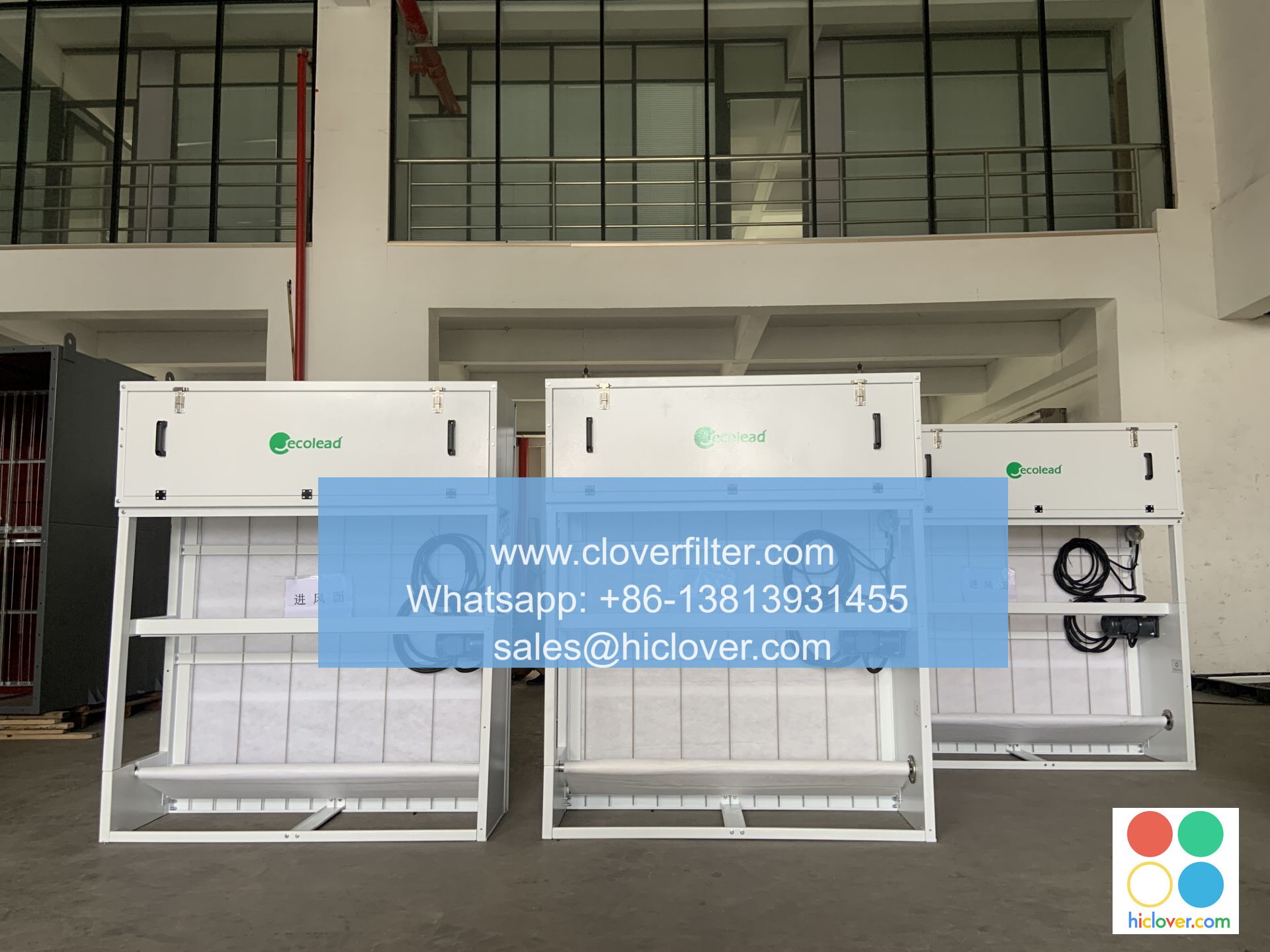
The integration of air filter data with Building Management Systems (BMS) has revolutionized the way facilities are managed, offering a plethora of benefits that enhance indoor air quality, reduce energy consumption, and optimize maintenance operations. By leveraging the power of IoT-enabled air filter sensors and data analytics, building owners and operators can unlock new levels of efficiency, sustainability, and occupant satisfaction.
Improved Indoor Air Quality (IAQ) Monitoring
The integration of air filter data with BMS enables real-time monitoring of indoor air quality, allowing for prompt identification of potential issues and proactive measures to prevent pollution. By tracking particulate matter (PM), volatile organic compounds (VOCs), and other pollutants, facilities can ensure a healthier environment for occupants, reducing the risk of respiratory problems and other health issues. This is particularly crucial in sensitive environments such as hospitals, schools, and laboratories, where air quality management is paramount.
Energy Efficiency and Cost Savings
By integrating air filter data with BMS, facilities can optimize their heating, ventilation, and air conditioning (HVAC) systems, reducing energy consumption and lowering costs. Predictive maintenance algorithms can analyze air filter performance and detect potential issues before they occur, minimizing downtime and extending the lifespan of equipment. This leads to significant cost savings and a reduced carbon footprint, making it an attractive solution for facilities seeking to improve their sustainability credentials.
Enhanced Maintenance Operations
The integration of air filter data with BMS enables condition-based maintenance, allowing maintenance teams to prioritize tasks and allocate resources more effectively. By receiving real-time alerts and notifications, technicians can respond quickly to issues, reducing downtime and minimizing disruptions to occupants. This approach also facilitates data-driven decision-making, enabling facilities to optimize their maintenance strategies and extend the lifespan of equipment.

Applications Across Various Industries
The benefits of air filter data integration with BMS are not limited to a specific industry; rather, they can be applied across a range of sectors, including:
* Commercial real estate: Office buildings, shopping centers, and hotels can improve occupant satisfaction and reduce energy costs.
* Healthcare: Hospitals, clinics, and laboratories can ensure optimal air quality and minimize the risk of airborne infections.
* Education: Schools and universities can provide a healthier learning environment and reduce energy consumption.
* Industrial facilities: Manufacturing plants, warehouses, and data centers can optimize their HVAC systems and reduce downtime.
Conclusion
In conclusion, the integration of air filter data with Building Management Systems offers a wide range of benefits, from improved indoor air quality and energy efficiency to enhanced maintenance operations and cost savings. By leveraging the power of IoT-enabled air filter sensors and data analytics, facilities can unlock new levels of efficiency, sustainability, and occupant satisfaction. As the demand for smart buildings and sustainable facilities continues to grow, the importance of air filter data integration with BMS will only continue to increase, making it an essential consideration for building owners and operators seeking to stay ahead of the curve. It seems like you’re ready to start, but you haven’t given me a specific prompt to work with. Could you please provide more details or clarify what you’re looking for? I’m here to help with any questions, topics, or tasks you have in mind!
