The Benefits of Air Filter Ecosystems in Reducing Energy Consumption
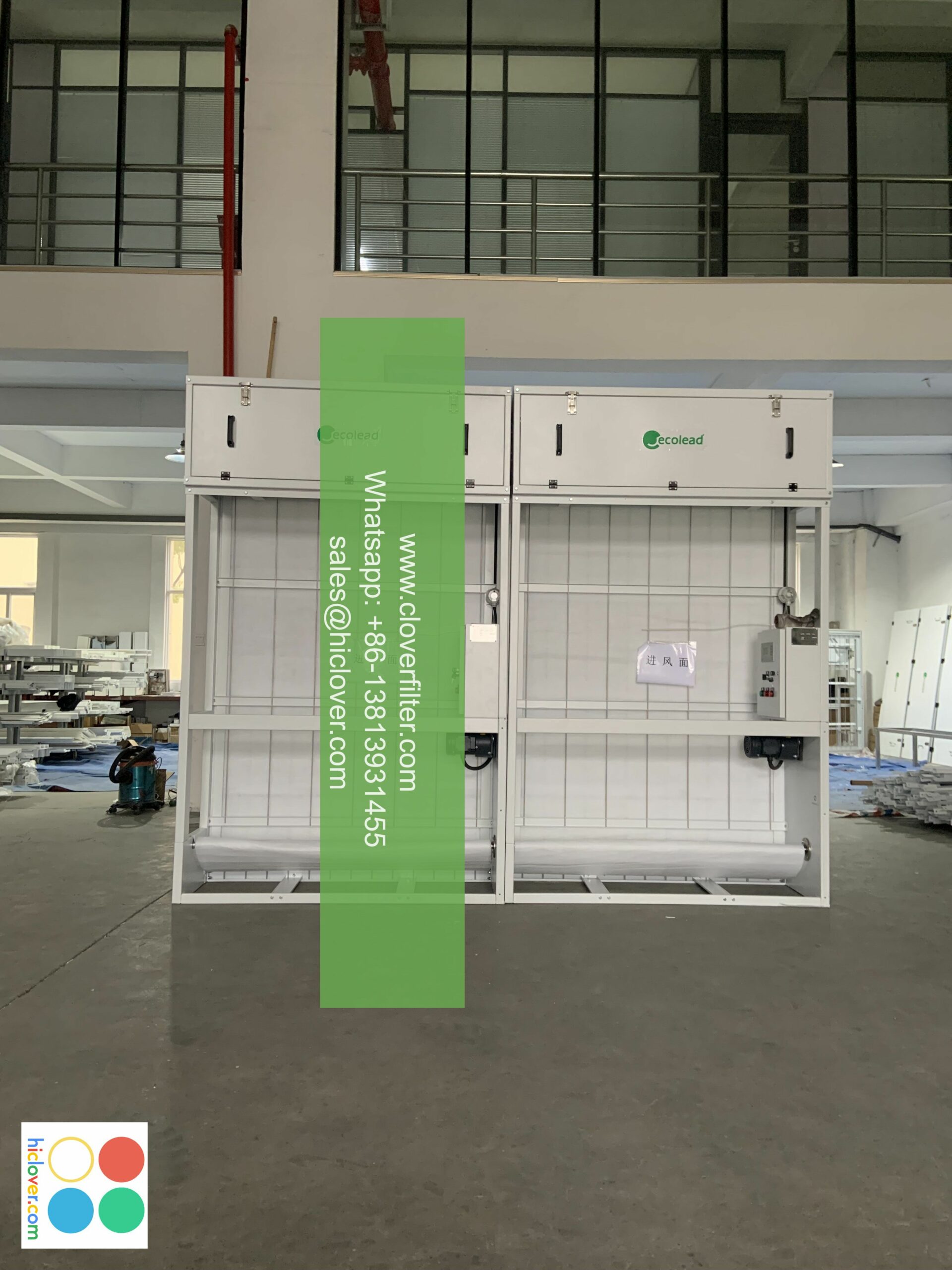
Introduction to Air Filter Ecosystems

In recent years, the growing awareness of environmental sustainability and energy efficiency has led to innovations in air filtration technology. Air filter ecosystems play a critical role not only in enhancing air quality but also in significantly reducing energy consumption. This article delves into the benefits of these ecosystems and their various application areas.
Understanding Air Filter Ecosystems
An air filter ecosystem consists of a range of complementary filters and technologies that work together to optimize air quality and minimize energy use. These systems are designed to remove pollutants, allergens, and particulate matter more efficiently than traditional air filtration methods.
Key Benefits of Air Filter Ecosystems

1. Enhanced Energy Efficiency
One of the most significant benefits of air filter ecosystems is their ability to reduce energy consumption. By improving the airflow within HVAC systems, these systems ensure that air handling units don’t have to work as hard, thus consuming less energy.
2. Improved Indoor Air Quality
Enhanced air filtration results in cleaner air, which is essential for residential, commercial, and industrial applications. Clean air helps improve the health and productivity of individuals, making air filter ecosystems beneficial across various sectors.
3. Cost Savings
With energy bills being a considerable expense for businesses and households alike, implementing air filter ecosystems can lead to substantial cost savings over time. Lower energy consumption directly correlates to reduced utility bills, making these systems a wise investment.
Application Areas of Air Filter Ecosystems
1. Residential Buildings
Homeowners can benefit significantly from air filter ecosystems, as they provide better indoor air quality and energy savings. Systems like HEPA filters combined with activated carbon technology are commonplace in homes today.
2. Commercial Spaces
In commercial buildings, air filtration systems designed for large spaces can drive down energy consumption and costs while ensuring employee health and comfort. Ionization technologies and advanced HEPA filters can make a noticeable difference in both air quality and energy use.
3. Automotive Applications
In the automotive industry, air filter ecosystems are vital for optimizing the efficiency of vehicle engines. Advanced air filtration systems can reduce energy loss and emissions, demonstrating their importance in the transition to greener vehicles.
4. Industrial Settings
In industrial environments, robust air filtration systems protect machinery from dust and other particulates, enhancing performance and longevity while reducing energy consumption by ensuring machines operate efficiently.
It seems like your message is incomplete. Could you please provide more details or specify the prompt you’d like assistance with?
