The Benefits of Air Filter Ecosystems in Reducing Wildfire Smoke and Ash
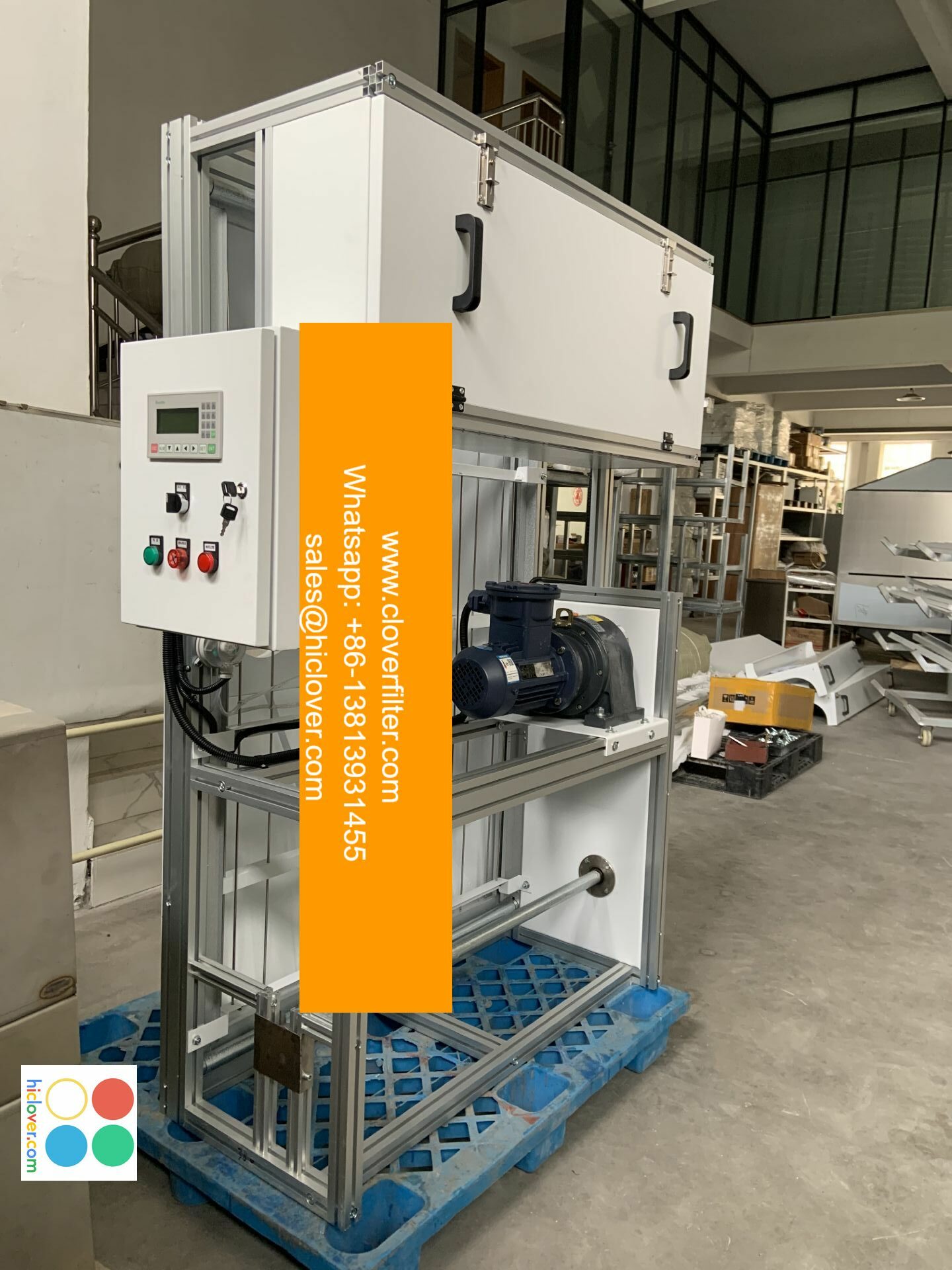
As wildfires continue to ravage forests and communities around the world, the need for effective air quality solutions has never been greater. One innovative approach gaining traction is the implementation of air filter ecosystems, designed to combat the harmful effects of wildfire smoke and ash. This article delves into the numerous advantages of these ecosystems and highlights various application areas where they can make a significant impact.
Understanding Air Filter Ecosystems

Air filter ecosystems refer to integrated systems that include multiple air filtration technologies, biofilters, and natural filtration methods working in tandem to improve air quality. These ecosystems can effectively capture particulate matter, toxic gases, and other pollutants released during wildfires, providing cleaner air for affected populations.
Key Components of Air Filter Ecosystems
-
Mechanical Filters: Utilizing HEPA filters that can trap particles as small as 0.3 microns, these mechanical filters are essential for capturing smoke, ash, and other airborne pollutants.
-
Activated Carbon Filters: These filters are designed to adsorb gases and odors, targeting harmful volatile organic compounds (VOCs) that may be released during wildfires.
-
Natural Biofilters: Utilizing plants and microorganisms, these systems can break down pollutants through natural processes, contributing to cleaner air and improving local biodiversity.
-
Air Purification Technologies: Advanced technologies such as UV-C lights, ozone generators, and ionizers can complement traditional filtration methods, targeting pathogens and improving overall air quality.

Benefits of Air Filter Ecosystems
Improved Public Health
Air filter ecosystems can substantially reduce the health risks associated with wildfire smoke exposure. By filtering out harmful particles and gases, they help prevent respiratory and cardiovascular issues, ensuring a healthier environment for vulnerable populations, including children and the elderly.
Enhanced Indoor Air Quality
For communities affected by wildfires, homes and schools often become havens for smoke infiltration. Implementing air filter ecosystems indoors can dramatically improve indoor air quality. This is particularly important for maintaining normal functioning in schools and workplaces during wildfire events.
Environmental Sustainability
Air filter ecosystems that incorporate natural filtration methods are not only effective in air purification but also contribute to environmental sustainability. By utilizing plants and biofilters, these ecosystems promote a healthier ecosystem while helping to capture and break down pollutants.
Cost-Effectiveness
Although the initial investment may seem high, air filter ecosystems can reduce healthcare costs associated with wildfire smoke-related illnesses over time. The long-term benefits, including reduced absenteeism in schools and workplaces, support the case for their implementation.
Rapid Response Capability
One of the most attractive features of air filter ecosystems is their ability to be deployed rapidly in emergency situations. Mobile air filtration units can provide immediate relief in areas impacted by wildfires, ensuring that affected communities have access to cleaner air as they navigate the aftermath of a disaster.
Application Areas for Air Filter Ecosystems
Urban Areas
Cities that are frequently impacted by wildfires can benefit immensely from air filter ecosystems. Installation in public buildings, shelters, and schools helps safeguard community health and ensures education and essential services can continue during fire events.
Industrial Facilities
In industrial environments, air filter ecosystems can help manage pollution and improve worker safety. Implementing a robust air filtration system not only protects the workforce from wildfire smoke but also enhances compliance with environmental regulations.
Agricultural Settings
Farmers can incorporate air filter ecosystems to protect crops and livestock from exposure to smoke and ash. By maintaining healthier air quality on agricultural lands, farmers can minimize crop losses and ensure the safety of their produce.
Disaster Relief Efforts
Emergency responders can utilize portable air filter ecosystems in disaster relief scenarios, providing clean air to displaced individuals and first responders working in hazardous conditions.
Conclusion
The implementation of air filter ecosystems holds significant promise for combating the adverse effects of wildfire smoke and ash. By enhancing public health, improving indoor air quality, and promoting environmental sustainability, these innovative systems provide essential protection for communities at risk. In an age where wildfires are becoming more frequent and severe, investing in air filter ecosystems is a proactive step towards ensuring healthier, safer environments for all.
Sure! What kind of prompt are you looking for? It can be related to writing, art, brainstorming ideas, or even problem-solving. Just let me know the topic or theme you’re interested in!
