The Benefits of Air Filter Integrations for People with Asthma
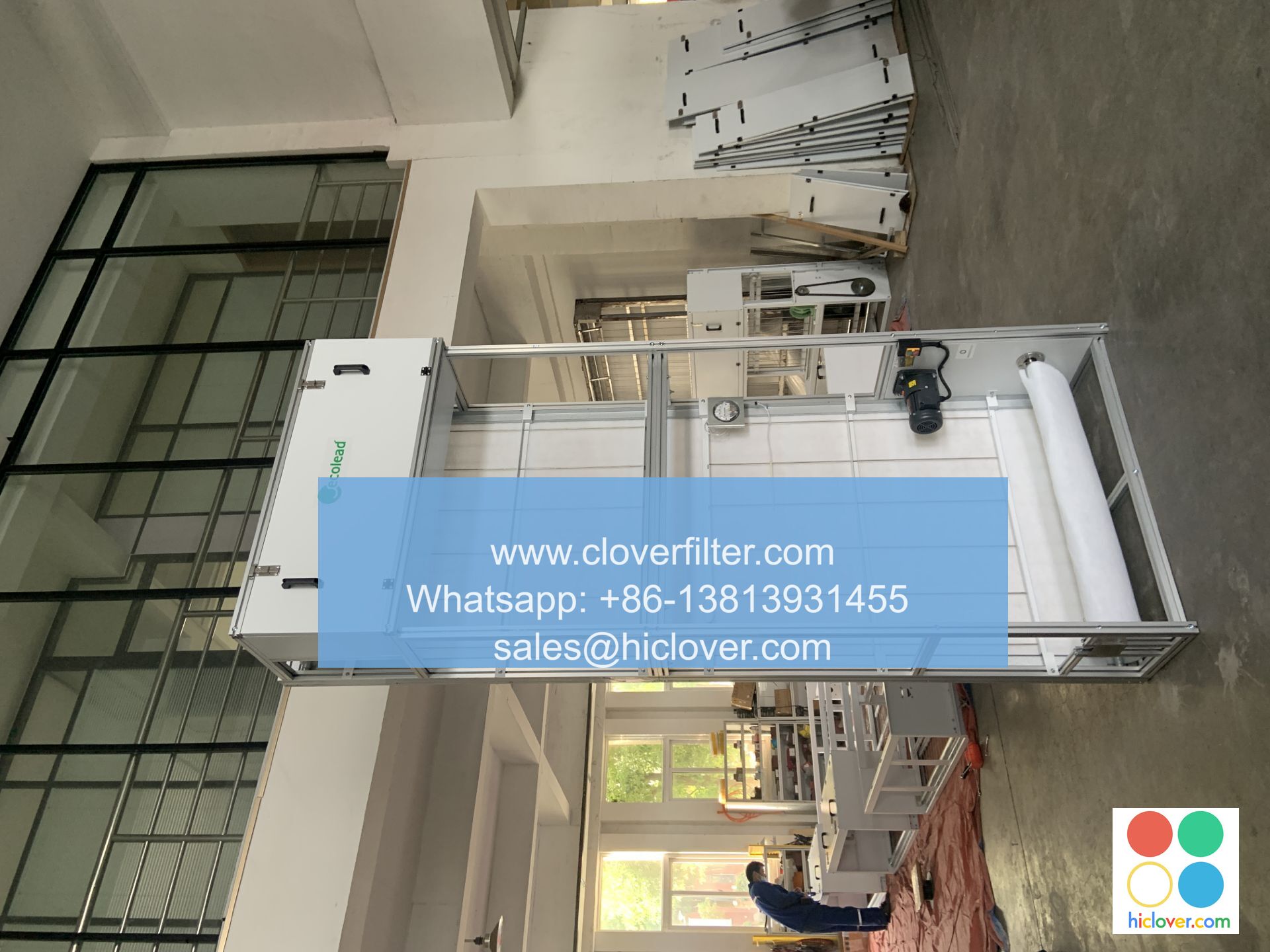
Asthma is a chronic respiratory disease that affects millions of people worldwide, causing symptoms such as wheezing, coughing, and shortness of breath. One of the most effective ways to manage asthma is by improving indoor air quality, and air filter integrations can play a crucial role in achieving this. In this article, we will explore the benefits of air filter integrations for people with asthma and highlight various application areas where they can be used.
Improved Indoor Air Quality
Air filter integrations can significantly improve indoor air quality by removing pollutants, allergens, and irritants from the air. This is especially important for people with asthma, as they are more susceptible to respiratory problems caused by poor air quality. By integrating air filters into their homes, offices, or vehicles, individuals with asthma can breathe easier and reduce their symptoms. Air purification systems and HEPA filters are particularly effective in removing particulate matter, volatile organic compounds (VOCs), and nitrogen dioxide from the air.
Reduced Asthma Triggers
Asthma triggers such as dust, pollen, and pet dander can exacerbate symptoms and trigger attacks. Air filter integrations can help reduce these triggers by capturing them before they enter the air. Air cleaning systems and filtration systems can be integrated into HVAC systems, ventilation systems, and portable air purifiers to provide comprehensive protection against asthma triggers.
Increased Energy Efficiency
Air filter integrations can also improve energy efficiency by reducing the need for frequent filter replacements and system maintenance. This can lead to cost savings and a reduced carbon footprint. Additionally, smart air filters and IoT-enabled air purification systems can be integrated with building management systems (BMS) and home automation systems to optimize energy consumption and improve indoor air quality.

Application Areas
Air filter integrations can be applied in various settings, including:
* Residential buildings: Integrating air filters into home HVAC systems, ventilation systems, and portable air purifiers can improve indoor air quality and reduce asthma symptoms.
* Commercial buildings: Air filter integrations can be used in office buildings, schools, and hospitals to improve indoor air quality and reduce the risk of asthma attacks.
* Transportation: Air filter integrations can be used in vehicles, buses, and trains to improve air quality and reduce asthma symptoms during travel.
* Industrial settings: Air filter integrations can be used in industrial settings, such as factories and warehouses, to improve air quality and reduce the risk of respiratory problems.
Conclusion
In conclusion, air filter integrations can provide numerous benefits for people with asthma, including improved indoor air quality, reduced asthma triggers, and increased energy efficiency. By integrating air filters into various settings, individuals with asthma can breathe easier and reduce their symptoms. As technology continues to advance, we can expect to see even more innovative air filtration solutions and air purification technologies that can improve indoor air quality and reduce the risk of respiratory problems. It seems like you’re ready to start a conversation or ask a question, but you haven’t provided any details yet. What’s on your mind? Would you like to discuss a specific topic, ask for advice, or perhaps explore a particular subject? I’m here to help with any questions or topics you’d like to discuss!
