The Benefits of Air Filter Platforms with Integrated Automation and Control Systems
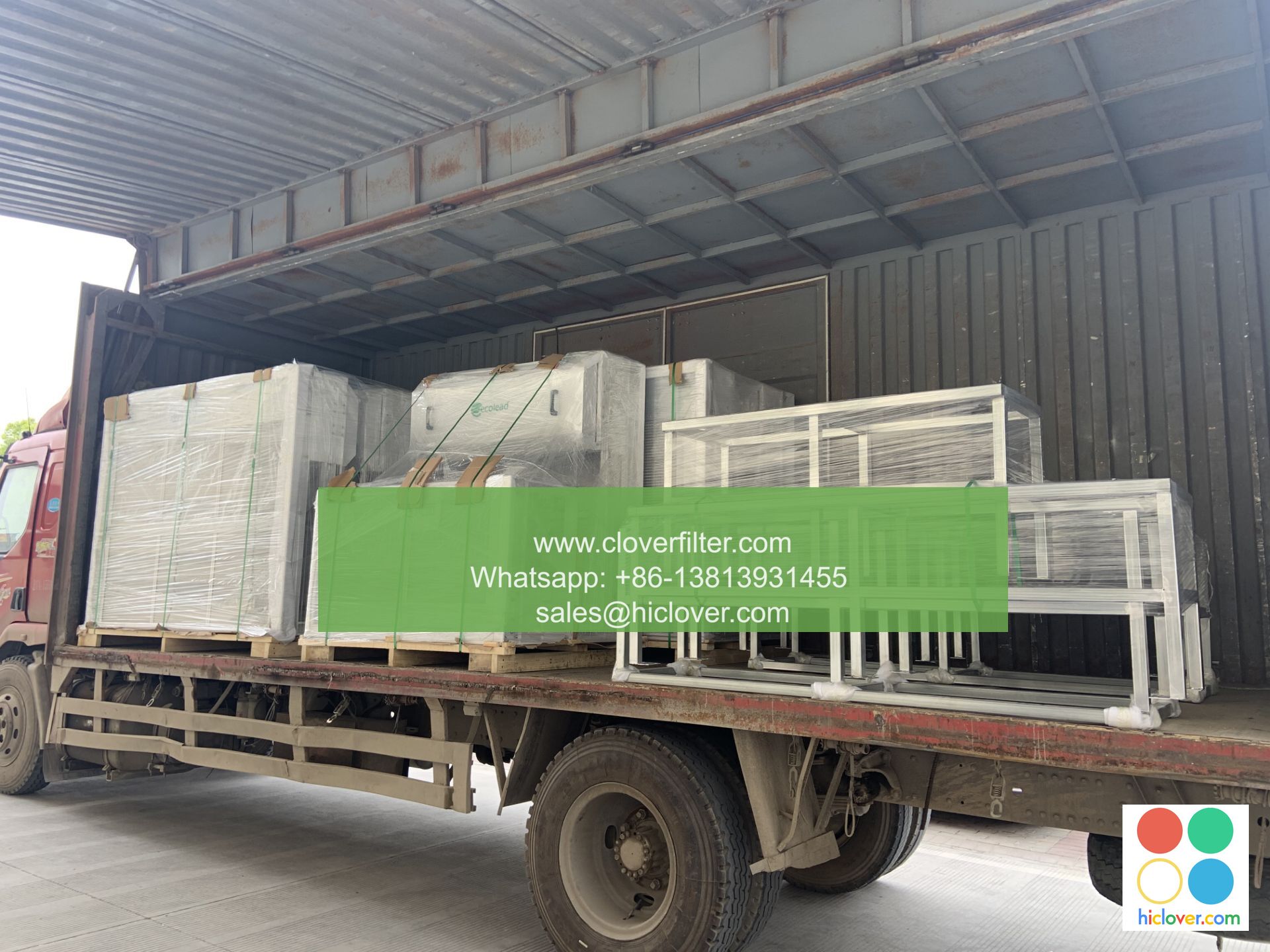
In an age where air quality is of paramount concern, air filter platforms have evolved to incorporate advanced technologies that enhance their functionality and efficiency. Integrated automation and control systems for air filtration systems are becoming increasingly indispensable in various applications, offering a myriad of benefits that elevate performance and user convenience.
Improved Efficiency in Air Quality Management

One of the most significant advantages of air filter platforms with integrated automation is the dramatic improvement in air quality management. By utilizing smart sensors and automated controls, these systems can continuously monitor air quality and adjust filtering processes accordingly. This not only ensures optimal performance but also minimizes energy consumption, making them both efficient and environmentally friendly.
Enhanced User Experience
With user-friendly interfaces and remote monitoring capabilities, these automated air filter systems provide a seamless experience. Users can easily track air quality metrics, filter status, and maintenance reminders through mobile apps or dashboards, making it simple to maintain a healthy indoor environment. This level of accessibility and transparency fosters trust in air quality management.
Cost Savings Through Predictive Maintenance
Integrating automation into air filter platforms enables predictive maintenance capabilities. Systems can analyze operational data to anticipate maintenance needs, reducing unexpected downtime and costly repairs. By ensuring timely replacements of filters and other components, organizations save on long-term operational costs.
Versatile Applications Across Industries
The versatility of air filter platforms extends across multiple sectors, including:
- Healthcare: In hospitals and clinics, maintaining clean air is essential for patient safety. Automated air filters ensure compliance with stringent health regulations and improve overall patient outcomes.
- Industrial: Factories that deal with harmful airborne particles benefit greatly from advanced air filtration systems, protecting both workers and equipment.
- Commercial Spaces: Offices and retail environments utilize integrated air filters to enhance comfort and safeguard employee and customer health.
- Residential: Smart home integration allows homeowners to monitor air quality effortlessly, creating a safe living environment.
Regulatory Compliance Made Easy
As regulations regarding air quality become more stringent, organizations can leverage integrated air filter platforms to stay compliant. Automated reporting features assist in documentation and provide real-time data to confirm that air quality standards are met.
Environmental Impact and Sustainability
Automated air filter systems are also designed with sustainability in mind. Efficient operation not only reduces energy consumption but also limits the environmental footprint of air filtration systems. Many advanced models utilize recyclable materials and energy-efficient components, aligning with the increasing demand for sustainable practices in various industries.
Conclusion
The integration of automation and control systems in air filter platforms marks a significant advancement in air quality management. The numerous benefits—ranging from enhanced efficiency and cost savings to adaptability across various applications—underscore the growing importance of these systems in our health-conscious society. As air quality remains a crucial aspect of public health, investing in these advanced air filtration technologies becomes not only a practical choice but a vital one.
Sure! What would you like a prompt for? Writing, art, brainstorming ideas, or something else? Let me know how I can help!
