The Benefits of Automated Air Filtration in Electronics Manufacturing: A Mexicali Case Study
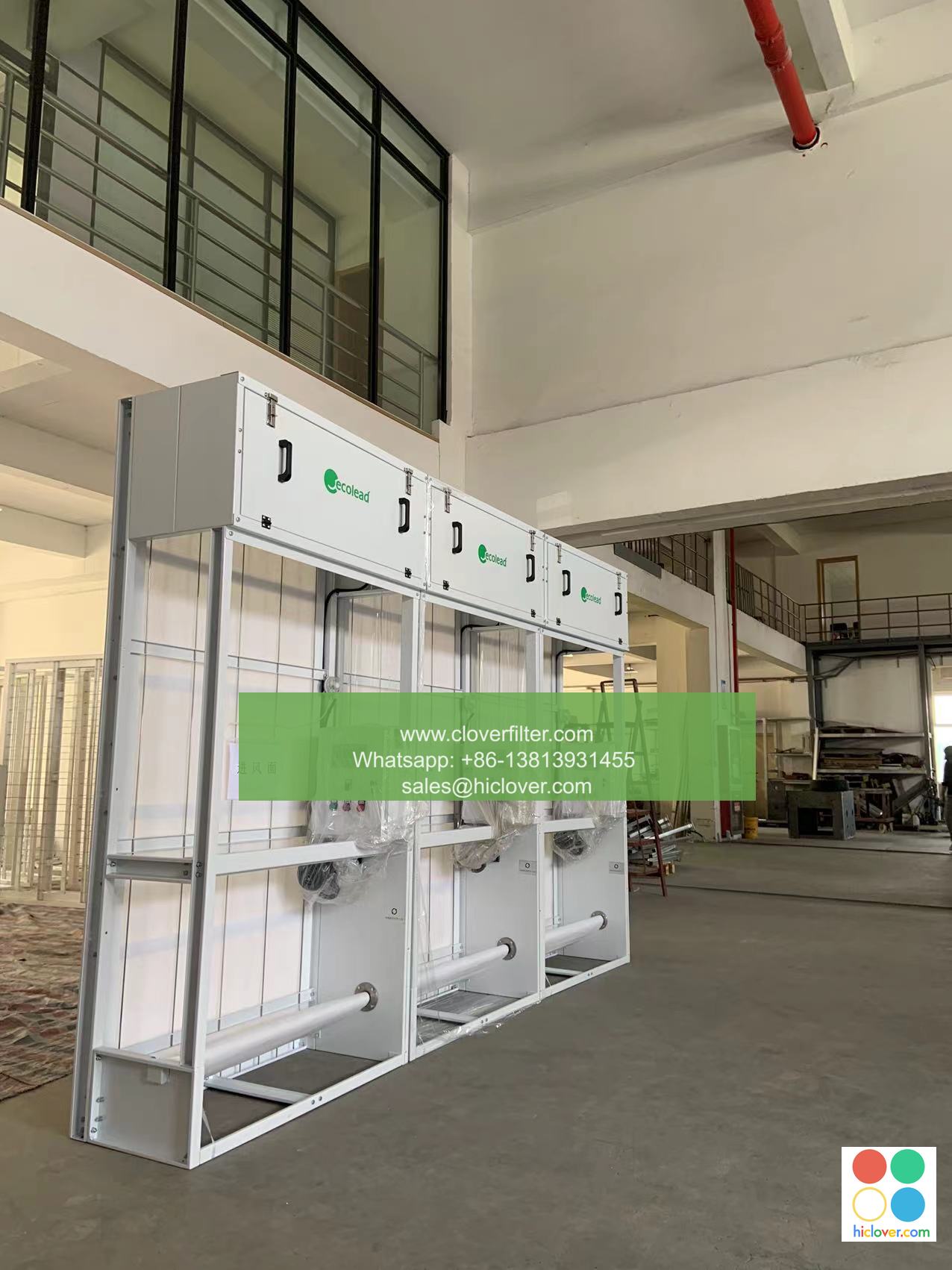
The electronics manufacturing industry is a significant sector in Mexico, with many international companies setting up production facilities in the country. Mexicali, a city located on! the US-Mexico border, is a major hub for electronics manufacturing, with companies such as Foxconn, LG, and Samsung having operations there. One of the critical factors in electronics manufacturing is maintaining a clean and controlled environment, which is where automated air filtration systems come into play. In this article, we will explore the benefits of automated air filtration in electronics manufacturing, highlighting various application areas, and discuss a case study in Mexicali.
Introduction to Automated Air Filtration
Automated air filtration systems are designed to remove airborne contaminants, such as dust, particles, and chemicals, from the air. These systems are essential in electronics manufacturing, where even small amounts of contamination can damage sensitive components and affect product quality. Automated air filtration systems use advanced technologies, such as HEPA filters, ULPA filters, and activated carbon filters, to capture particles as small as 0.1 microns, ensuring a clean and stable environment for production.
Benefits of Automated Air Filtration in Electronics Manufacturing
The benefits of automated air filtration in electronics manufacturing are numerous, including:
* Improved product quality: By removing airborne contaminants, automated air filtration systems help prevent defects and ensure that products meet the required standards.
* Increased yield: A clean environment reduces the risk of contamination-related failures, resulting in higher yields and reduced waste.
* Reduced maintenance costs: Automated air filtration systems help prevent mechanical failures and reduce the need for maintenance, resulting in cost savings.
* Enhanced worker safety: By removing airborne chemicals and particles, automated air filtration systems create a safer working environment for employees.
Application Areas for Automated Air Filtration
Automated air filtration systems have a wide range of applications in electronics manufacturing, including:
* cleanrooms: Automated air filtration systems are used to maintain the high level of cleanliness required in cleanrooms, where sensitive components are assembled and tested.
* printed circuit board (PCB) assembly: Automated air filtration systems help prevent contamination during the PCB assembly process, ensuring that the boards are free from defects.
* semiconductor manufacturing: Automated air filtration systems are used to maintain a clean environment during the production of semiconductors, where even small amounts of contamination can affect product quality.
* battery manufacturing: Automated air filtration systems help prevent contamination during the production of batteries, ensuring that the cells are free from defects and meet the required safety standards.

Mexicali Case Study
A leading electronics manufacturer in Mexicali, Mexico, recently implemented an automated air filtration system in their production facility. The system, which included HEPA filters and activated carbon filters, was designed to remove airborne contaminants and maintain a clean environment during the production of printed circuit boards (PCBs). The results were impressive, with a significant reduction in defects and an increase in yield. The company also reported a reduction in maintenance costs and an improvement in worker safety.
Conclusion
In conclusion, automated air filtration systems are a critical component of electronics manufacturing, providing a clean and controlled environment for production. The benefits of automated air filtration are numerous, including improved product quality, increased yield, reduced maintenance costs, and enhanced worker safety. With its growing electronics manufacturing industry, Mexicali is an ideal location for companies to implement automated air filtration systems, as highlighted in the case study. As the industry continues to evolve, the use of automated air filtration systems will become increasingly important, enabling companies to maintain a competitive edge and produce high-quality products. By investing in automated air filtration systems, companies can ensure a cleanroom-like environment, even in areas with high levels of airborne contamination, and reap the benefits of improved productivity, efficiency, and product quality.
