The Benefits of Automatic Roll Air Filters for Western University’s HVAC Systems
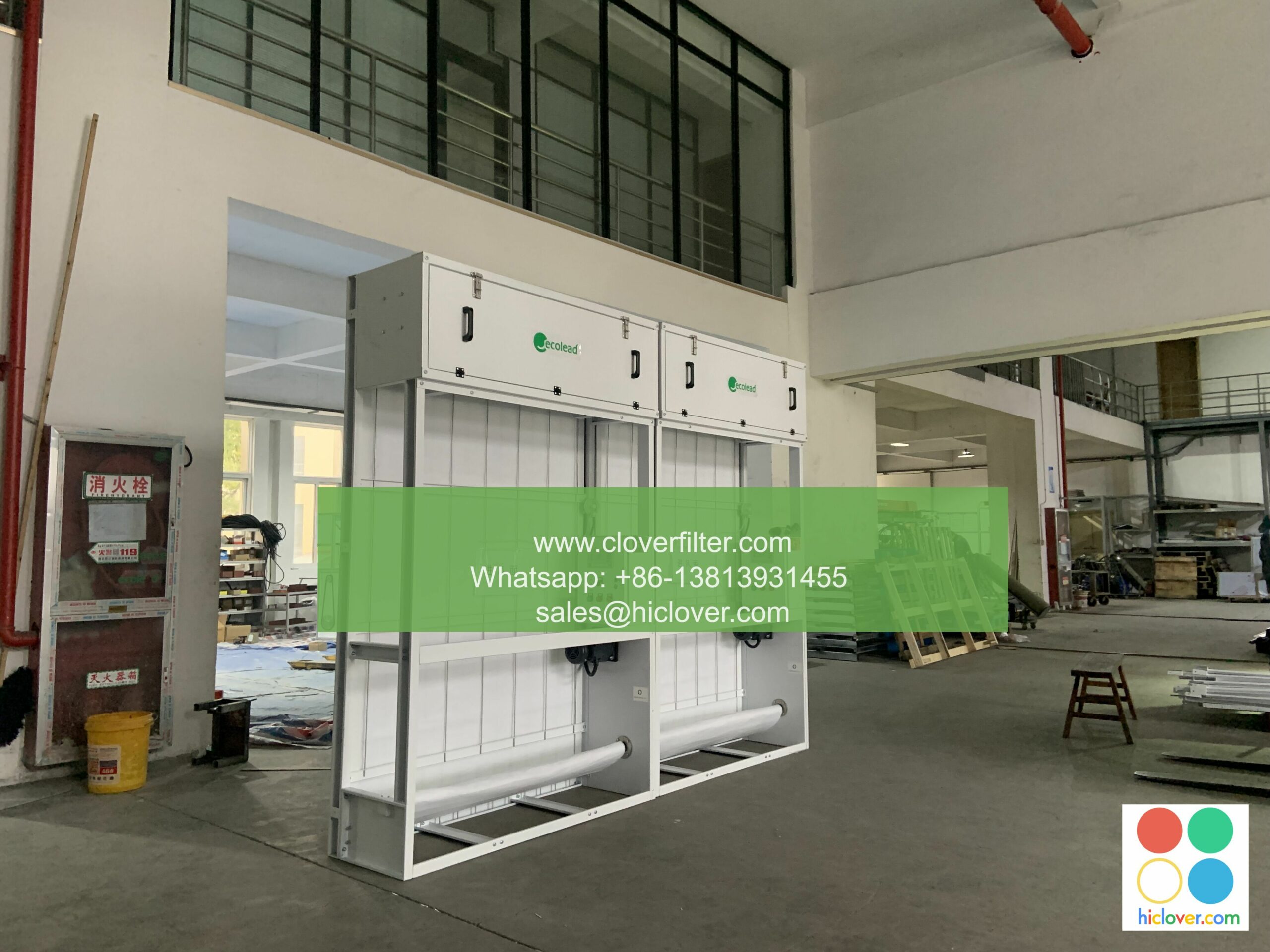
Western University, like many other institutions, relies heavily on its Heating, Ventilation, and Air Conditioning (HVAC) systems to provide a comfortable and healthy environment for students, faculty, and staff. As part of its efforts to maintain high indoor air quality (IAQ) and reduce energy consumption, the university has been exploring the benefits of adopting automatic roll air filters in its HVAC systems. This article will delve into the advantages of these innovative filters, highlighting their role in energy efficiency, indoor air quality improvement, and cost savings, particularly in commercial HVAC applications and institutional settings.
Improved Indoor Air Quality
Automatic roll air filters are designed to capture a wide range of airborne contaminants, including dust, pollen, and other particulate matter, thus contributing significantly to indoor air quality enhancement. By effectively removing these pollutants, these filters help in preventing the spread of airborne diseases, reducing allergy symptoms, and creating a healthier indoor environment. This is especially crucial in educational institutions like Western University, where maintaining good health among students and staff is a top priority.
Energy Efficiency and Cost Savings
One of the key benefits of automatic roll air filters is their potential to enhance energy efficiency in HVAC systems. By ensuring that the air flowing through the system is clean, these filters reduce the resistance that the system’s fans and blowers must work against, thereby lowering energy consumption. This not only leads to cost savings on utility bills but also contributes to a reduction in the university’s carbon footprint, aligning with broader sustainability goals. In large commercial buildings and institutional facilities, the cumulative effect of such savings can be substantial, making automatic roll air filters a compelling option for facilities management and maintenance strategies.
Reduced Maintenance and Longer Filter Life
Automatic roll air filters also offer the advantage of extended filter life and reduced maintenance needs. Unlike traditional filters that may need to be replaced or cleaned frequently, automatic roll air filters can operate for longer periods without requiring attention. This feature is particularly beneficial in busy educational environments where downtime for maintenance can be disruptive. By minimizing the frequency of filter replacements and cleaning, Western University can also reduce its waste generation and lower the total cost of ownership for its HVAC systems.

Application Areas and Future Directions
The benefits of automatic roll air filters are not limited to classrooms and administrative offices; they can also be applied in laboratories, libraries, dormitories, and recreational facilities across the university. As Western University continues to explore ways to enhance its campus sustainability and indoor environmental quality, the adoption of innovative technologies like automatic roll air filters will play a critical role. Furthermore, integrating these filters with smart building technologies and IoT devices could offer even more sophisticated air quality monitoring and energy management capabilities, paving the way for a greener and healthier campus environment.
Conclusion
In conclusion, automatic roll air filters present a multifaceted solution for Western University’s HVAC systems, offering improved indoor air quality, enhanced energy efficiency, and reduced maintenance costs. As the university moves forward with its sustainability initiatives and facilities upgrades, considering the adoption of these filters can be a strategic step towards creating a healthier, more sustainable, and more comfortable environment for its community. By leveraging the benefits of automatic roll air filters, Western University can set a positive example in environmental stewardship and facilities management, contributing to a better future for generations to come.
