The Benefits of Automatic Roll Air Filters in Biotech Labs: A Whitepaper
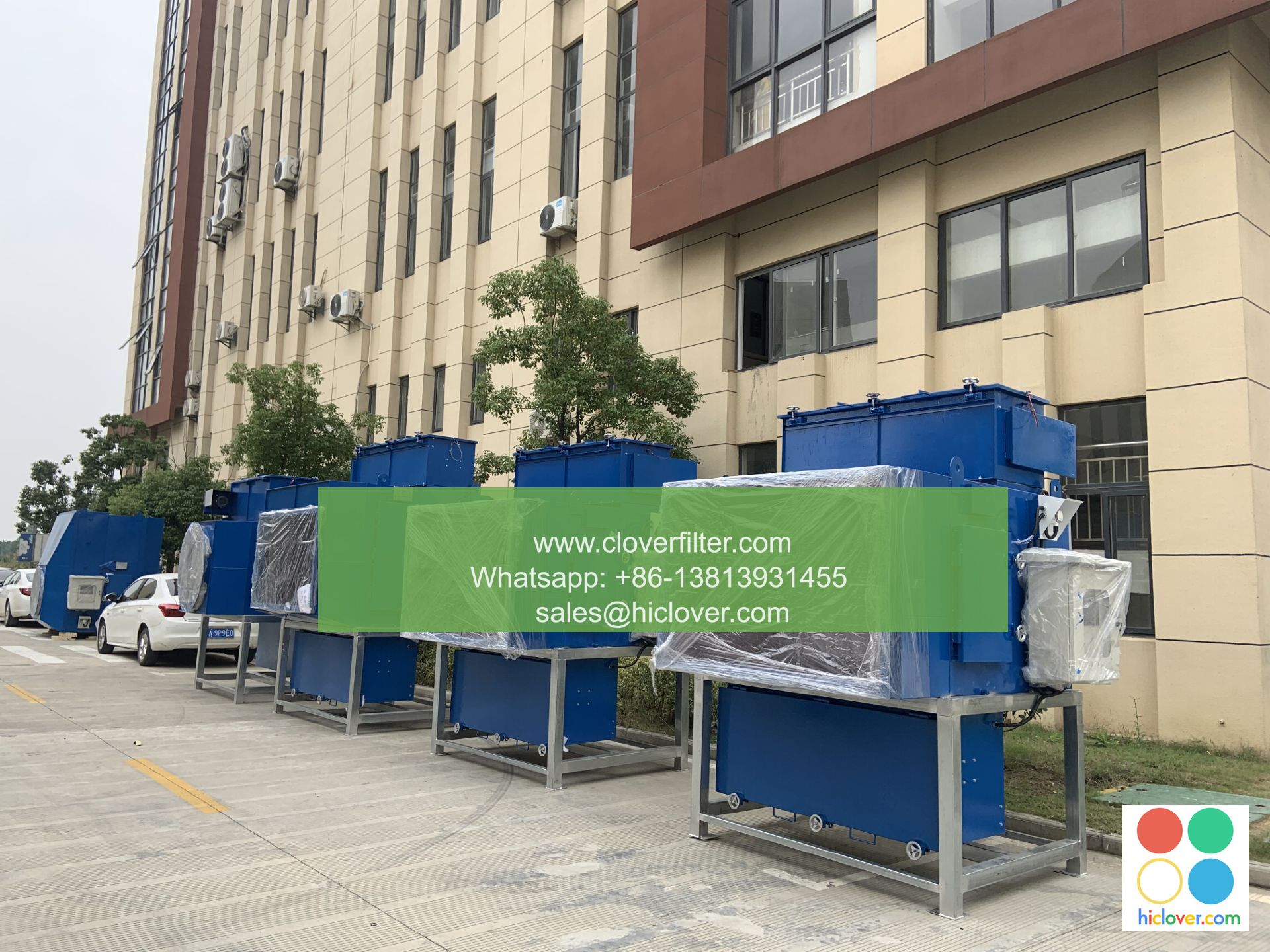
In the fast-evolving field of biotechnology, ensuring a sterile environment for experiments and production processes is crucial. One of the most effective ways to maintain such environments is through the use of automatic roll air filters. This whitepaper explores the benefits of these advanced filtration systems in biotech labs and emphasizes their applications in various areas.
Introduction to Automatic Roll Air Filters

Automatic roll air filters are innovative air filtration systems designed to remove particulates, pathogens, and other contaminants from the air within controlled environments. Unlike traditional filter systems, these units utilize a continuous roll of filter material that can be automatically advanced as the filter media becomes saturated, ensuring ongoing efficiency and reducing human intervention.
Enhanced Air Quality
Contamination Control
One of the primary benefits of automatic roll air filters in biotech labs is their ability to maintain a high level of air quality. Contamination control is crucial in biotech applications, as even a small amount of airborne particulates can compromise experiments and lead to inaccurate results. The continuous filtration process ensures that labs remain free from dust, microbes, and allergens, which is essential for research involving cell cultures, pharmaceuticals, and genetic engineering.
Reduction in Cross-Contamination Risk
In multi-use lab environments, the risk of cross-contamination is a significant concern. By employing automatic roll air filters, biotech laboratories can effectively reduce the chances of contamination between different experiments and products. The high filtration efficiency ensures that any airborne contaminants are captured before they can infiltrate sensitive areas.
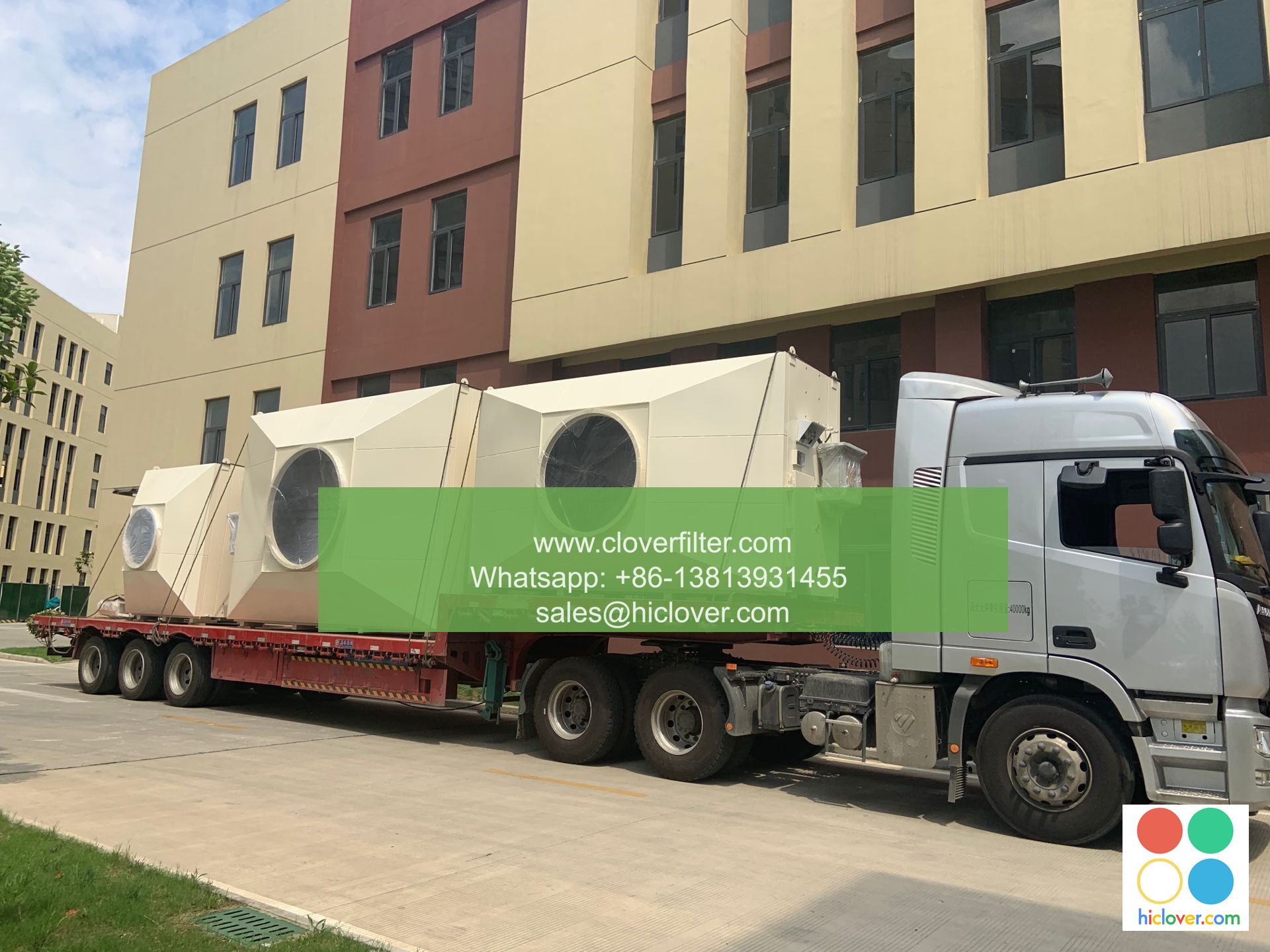
Cost Efficiency and Sustainability
Lower Operational Costs
Automatic roll air filters can significantly reduce operational costs associated with air filtration in biotech labs. Traditional filters require regular manual replacement and maintenance, which can be labor-intensive and costly. The automatic nature of roll air filters minimizes this need, requiring less frequent checks and replacements.
Waste Reduction
The roll format makes it easy to monitor the filter usage and maximize efficiency, leading to reduced material waste. Moreover, many modern roll filters are designed to be eco-friendly, allowing labs to meet sustainability goals without compromising on air quality.
Increased Workflow Efficiency
Time Savings
By automating the filter replacement process, laboratories can free up valuable technician time. Staff can focus on more critical tasks rather than routine maintenance, enhancing overall workflow efficiency. This is especially beneficial in high-throughput labs where time is of the essence.
Consistent Performance Monitoring
Many automatic roll air filters come equipped with advanced monitoring systems that provide real-time data on air quality and filter performance. This capability allows labs to proactively address any issues before they escalate, ensuring continuous operation without interruptions.
Versatile Application Areas
Cell Culture and Tissue Engineering
Biotech labs focused on cell culture and tissue engineering rely heavily on a sterile environment. Automatic roll air filters can efficiently control airborne contaminants, creating the ideal conditions for delicate procedures.
Pharmaceutical Production
In the pharmaceutical industry, maintaining stringent air quality standards is mandated. Automatic roll air filters can help meet regulatory requirements while offering reliable performance, thus bolstering product safety and efficacy.
Genetic Engineering and CRISPR Applications
The precision involved in genetic engineering requires meticulous contamination control. Automatic roll air filters play a critical role in ensuring that experiments, such as those involving CRISPR technology, are performed in a controlled environment free from contaminants.
Conclusion
Automatic roll air filters represent a significant advancement in air filtration technology for biotech labs. By enhancing air quality, reducing operational costs, increasing workflow efficiency, and catering to various application areas, these systems are poised to improve the reliability and safety of biotechnology research and production. As the field continues to grow, integrating automated solutions like roll air filters will be vital in driving innovation and maintaining the highest standards of quality.
For biotech labs looking to enhance their operational efficiency and effectiveness, investing in automatic roll air filters is not just a choice—it’s a necessity.
This whitepaper provides an in-depth look into the advantages of using automatic roll air filters in biotechnology environments, reinforcing their essential role in modern lab operations.
