The Benefits of Automatic Roll Air Filters in Pepsi Bottling Plants: A Case Study
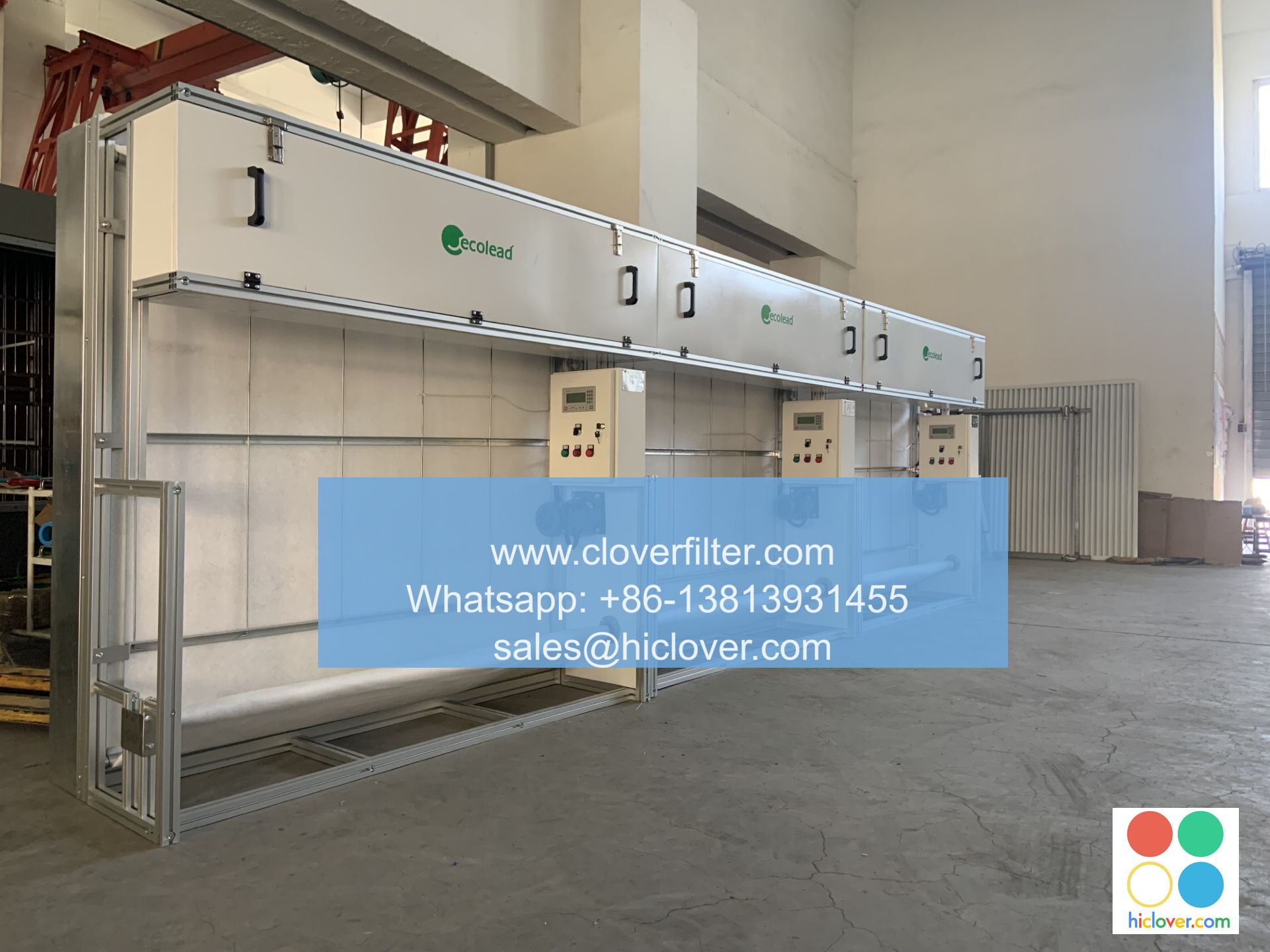
In the fast-paced world of beverage production, efficiency and cleanliness are paramount. This article explores the benefits of automatic roll air filters in Pepsi bottling plants, shedding light on various application areas and providing real-world insights from a recent case study.
Understanding Automatic Roll Air Filters

Automatic roll air filters are specialized filtration systems designed to improve air quality and maintain operational efficiency. These filters work continuously, automatically rolling out fresh filter material as it becomes clogged with dust, contaminants, and particulate matter. In environments like bottling plants, where cleanliness is critical, these filters ensure that contaminants do not compromise product quality.
Key Advantages of Automatic Roll Air Filters
The implementation of automatic roll air filters in Pepsi bottling plants offers several key benefits:
1. Improved Air Quality
Maintaining high air quality is crucial for food and beverage safety. Automatic roll air filters reduce airborne contaminants, ensuring that the air circulating within the bottling plant is clean. This not only protects the production process but also enhances the quality of the final product.

2. Enhanced Efficiency
These filters operate continuously, thus minimizing downtime. Traditional filters require manual replacement and maintenance, leading to interruptions in production. Automatic roll air filters streamline this process, allowing for a more seamless workflow and higher operational efficiency.
3. Cost Savings
Implementing automatic roll air filters can lead to significant cost savings over time. With reduced maintenance costs and less frequent manual labor involved in changing filters, businesses like Pepsi can allocate resources more effectively. Moreover, improved air quality can lead to lower energy costs as HVAC systems run more efficiently when not burdened by clogged filters.
4. Sustainability
Automatic roll air filters are often designed with sustainability in mind. They can help companies minimize their environmental impact by promoting more efficient air exchange and reducing energy consumption. Additionally, many of these systems are made from recyclable materials, aligning with corporate sustainability initiatives.
Case Study: Pepsi Bottling Plant Implementation
A recent case study from a Pepsi bottling plant in Texas showcases the transformative impact of automatic roll air filters. The plant struggled with high levels of dust and particulate matter, leading to product quality issues and increased downtime due to frequent maintenance of traditional filters.
After implementing an automatic roll air filter system, the plant reported:
- A 30% reduction in airborne contaminants, significantly improving air quality.
- A 25% increase in operational efficiency due to reduced downtime.
- Cost savings of up to 15% on energy costs attributed to improved HVAC performance.
- Positive feedback from quality control teams regarding the consistency and quality of bottled products.
Applications in Other Areas
While this case study focuses on Pepsi bottling plants, the benefits of automatic roll air filters extend to various industries:
- Food Processing: Automatic roll air filters can help maintain hygiene standards and product integrity in food production facilities.
- Manufacturing: Reducing airborne contaminants is crucial for various manufacturing processes, protecting both products and workers.
- Pharmaceuticals: In spaces where product purity is non-negotiable, such filters play a vital role in preventing contamination.
Conclusion
As demonstrated through the case study at a Pepsi bottling plant, the advantages of automatic roll air filters are clear. By improving air quality, enhancing efficiency, generating cost savings, and promoting sustainability, these filters are an invaluable asset to any production facility. Their application across various industries underscores their versatility and importance in maintaining high standards of cleanliness and operational efficiency.
