The Benefits of Automatic Roll Air Filters in Reducing Airborne Particulate Matter in Electronics Packaging
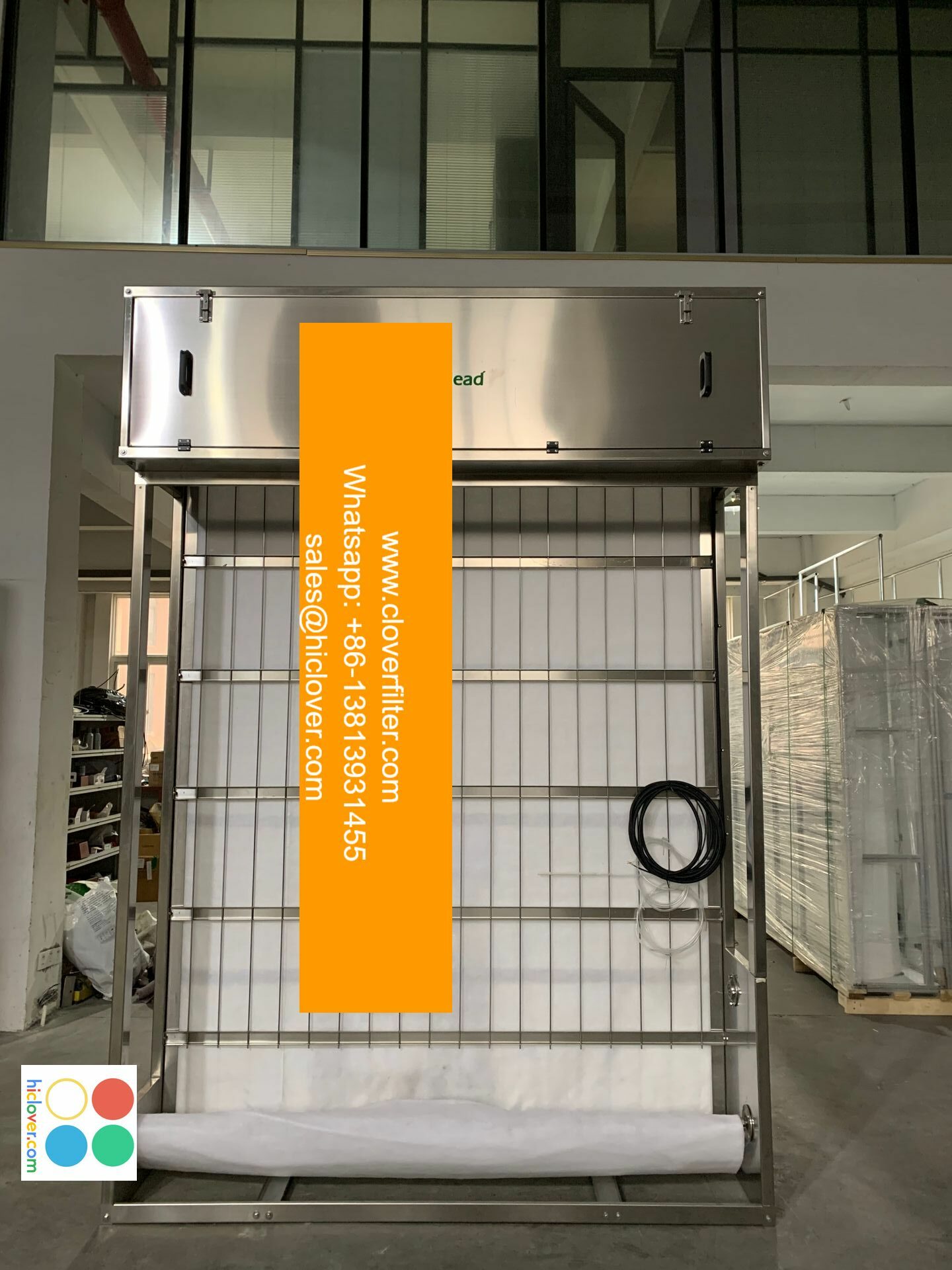
In the realm of electronics packaging, maintaining a clean and controlled environment is essential for the success and longevity of products. One of the significant challenges faced by manufacturers is the presence of airborne particulate matter, which can lead to damage, degraded performance, and compromised reliability of electronic components. To combat this issue, the implementation of automatic roll air filters has emerged as a highly beneficial solution.
Understanding Airborne Particulate Matter

Airborne particulate matter comprises tiny particles that can vary in size, composition, and source. These particles can include dust, smoke, pollen, and even microscopic contaminants. In the electronics industry, even minute amounts of these particles can result in serious issues such as short circuits, reduced functionality, and increased wear on electronic parts.
How Automatic Roll Air Filters Work
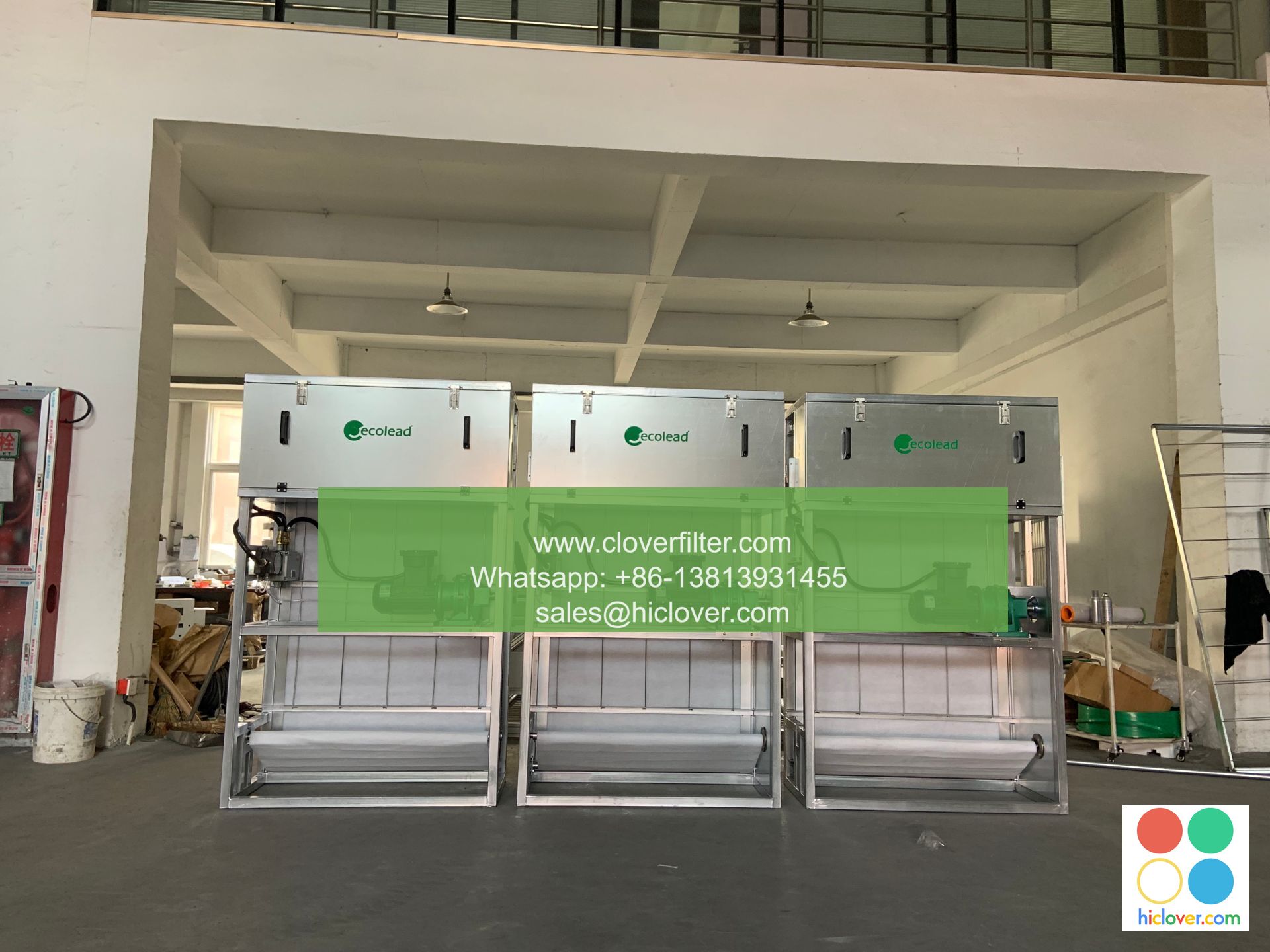
Automatic roll air filters are designed to continuously filter air entering a production or packaging environment. These filters are made up of long rolls of filtration media, which can capture a wide range of particulate matter. The automatic nature of these systems ensures that the filters are replaced periodically without the need for manual intervention, enhancing efficiency and minimizing downtime.
Benefits of Using Automatic Roll Air Filters
- High Filtration Efficiency: Automatic roll air filters are engineered to capture low levels of airborne particulate matter with minimal resistance to airflow, ensuring optimal filtration efficiency.
- Consistent Air Quality: By continually filtering the air, these systems maintain a consistent level of air quality, which is crucial for sensitive electronic packaging processes.
- Cost-Effective Solution: Although initial investments may be higher, these filters can lead to significant savings in operational costs by reducing product defects and ensuring higher performance standards.
- Reduced Maintenance: The automatic functionality of these systems reduces the frequency of manual maintenance and filter changes, allowing staff to focus on more critical aspects of production.
- Adaptability: Many automatic roll air filter systems can be customized and adapted to specific operational needs, making them versatile for various packaging processes.
Conclusion
Automatic roll air filters play a vital role in the electronics packaging industry by reducing airborne particulate matter and providing a cleaner, safer working environment. The integration of these advanced filtration systems not only protects sensitive electronic components but also contributes to enhanced productivity and cost-efficiency. As technological advancements continue to evolve, adopting solutions like automatic roll air filters is imperative for maintaining high-quality standards in the electronics sector.
FAQs
What types of contaminants can automatic roll air filters capture?
Automatic roll air filters are capable of capturing a wide range of contaminants, including dust, pollen, smoke, and even microbial particles, depending on the type of filtration media used.
How often do the filters need to be replaced?
The frequency of filter replacement depends on the specific environment and level of airborne contamination. However, automatic systems are designed to track the usage and notify operators when it’s time for a change.
Can these filters be used in other industries?
Yes, while primarily used in the electronics packaging sector, automatic roll air filters can also be effectively utilized in industries such as pharmaceuticals, food processing, and manufacturing, where clean air is critical.
What is the cost-effectiveness of automatic roll air filters?
Although the initial purchase price may be higher than traditional filters, the long-term benefits, including reduced product failures and maintenance costs, often outweigh the initial investment.
