The Benefits of Automatic Roll Air Filters in Reducing Electronics Assembly Plant Contamination Risks
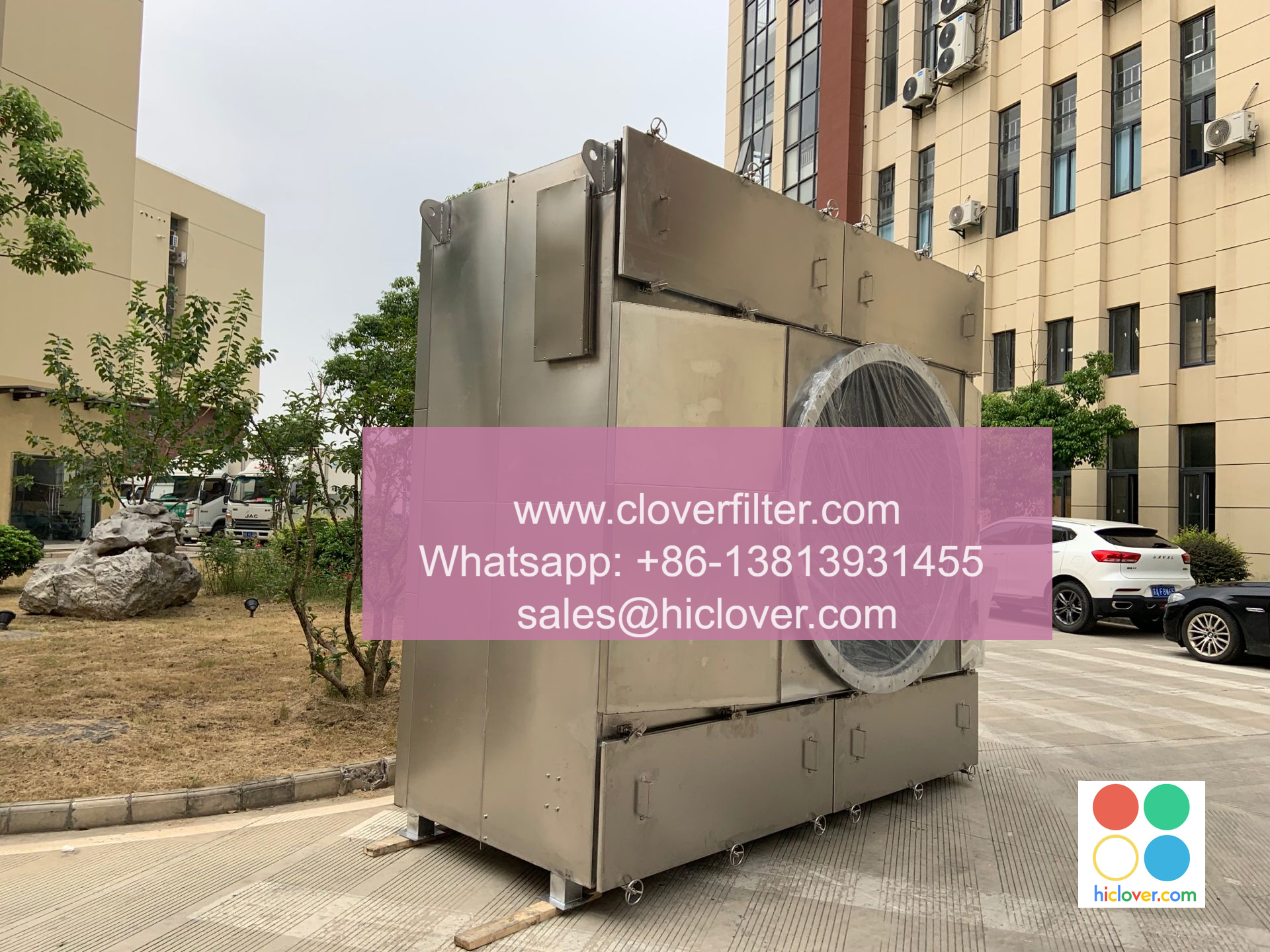
In the complex world of electronics manufacturing, maintaining clean environments is paramount for ensuring product quality and reliability. Any form of contamination can lead to significant problems, including product failure, lower yields, and increased waste. Among the various solutions available for controlling particulate pollution, automatic roll air filters have emerged as a revolutionary tool in minimizing contamination risks in electronics assembly plants. This article explores the numerous benefits these filters offer in maintaining clean air and promoting operational efficiency.
Enhanced Air Quality

Automatic roll air filters are designed to continuously capture airborne particles, pollutants, and contaminants, leading to significantly enhanced air quality in assembly plants. By incorporating high-efficiency particulate air (HEPA) filters, these systems can remove up to 99.97% of particles as small as 0.3 microns. This level of filtration ensures that harmful pollutants, such as dust, smoke, and biological contaminants, are kept at bay, providing a safer and cleaner environment for workers and production processes alike.
Reduced Downtime and Maintenance
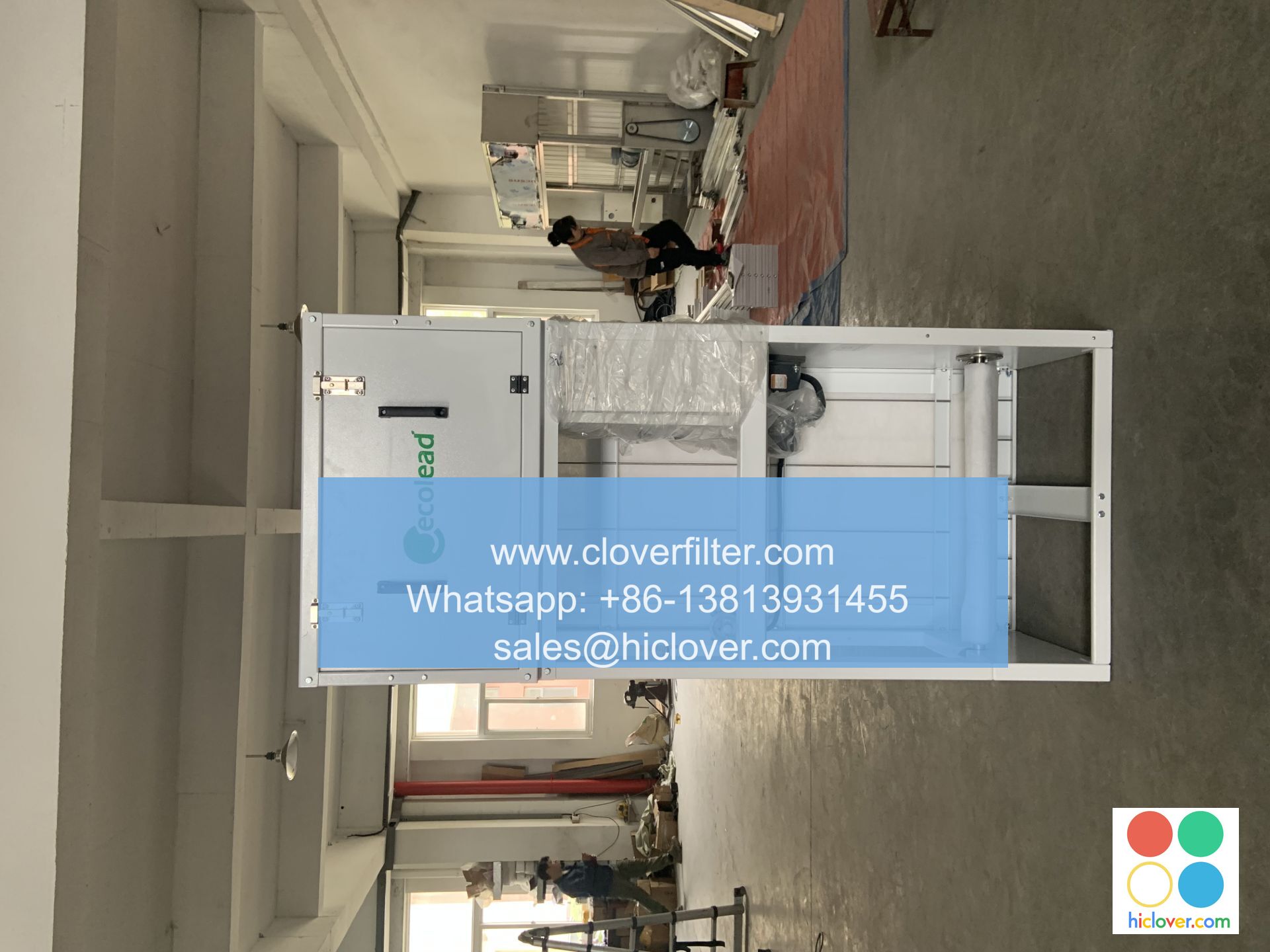
One of the major advantages of automatic roll air filters is the reduced need for constant manual maintenance. Traditional air filtration systems require regular inspection, cleaning, and filter replacement, which can decrease operational efficiency and lead to potential contamination risks during maintenance intervals. In contrast, automatic roll air filters come equipped with automated monitoring systems that track air quality and filter status in real-time. This automation not only lowers the time and labor costs associated with maintenance but also ensures continuous operation without interruptions.
Improved Yield and Product Reliability
With cleaner air comes increased yield and product reliability. Contamination in electronics assembly can lead to defects such as short circuits, false readings, and overall component failure. By effectively controlling airborne contaminants, automatic roll air filters contribute to the production of higher-quality electronic components. Improved air quality helps manufacturers meet industry standards and maintain customer satisfaction, thereby enhancing their brand reputation and market competitiveness.
Sustainability and Energy Efficiency
In addition to their role in contamination control, automatic roll air filters are designed to be energy efficient. Traditional systems often consume large amounts of energy and may require extensive HVAC modifications. However, modern roll filters are optimized for lower energy consumption while maintaining high filtration efficiency. This not only reduces operational costs but also aligns with sustainable manufacturing practices by minimizing the plant’s carbon footprint.
Customization and Scalability
Every electronics assembly plant has unique requirements based on its size, layout, and specific manufacturing processes. Automatic roll air filters offer a level of customization that allows manufacturers to tailor the air filtration system to their specific needs. Whether a small-scale operation or a large factory, these systems can be adjusted to scale with production needs, ensuring that the air quality remains consistently high without excessive cost or resource allocation.
Conclusion
In summary, implementing automatic roll air filters within electronics assembly plants represents a strategic investment in risk management and operational efficiency. Their benefits, from enhancing air quality to reducing downtime and offering scalable solutions, make them an essential component in the fight against contamination. As the demand for high-quality electronic products continues to rise, investing in such advanced filtration technologies will be pivotal for manufacturers aiming to maintain competitiveness and ensure long-term success.
FAQs
What are automatic roll air filters?
Automatic roll air filters are advanced air filtration systems that use a continuous roll of filter material to trap airborne contaminants. They often include automated monitoring for improved performance and reduced maintenance.
How do these filters improve air quality?
They capture a wide range of airborne particles, including dust and pollutants, effectively removing harmful substances from the air, which is crucial in electronics manufacturing.
Can these filters help reduce operational costs?
Yes, by minimizing maintenance needs and improving product yield, automatic roll air filters can lead to significant cost savings over time.
Are these systems easy to install?
Automatic roll air filters can be customized to fit various environments and are typically designed for straightforward installation with minimal disruption to current operations.
