The Benefits of Automatic Roll Air Filters in Reducing Research Lab Energy Consumption

In today’s ever-evolving research landscape, laboratories demand not only precision and accuracy but also sustainability and energy efficiency. One significant innovation contributing to this mission is the implementation of automatic roll air filters. These filters play a pivotal role in enhancing air quality while simultaneously reducing energy consumption in research facilities.
Understanding Automatic Roll Air Filters
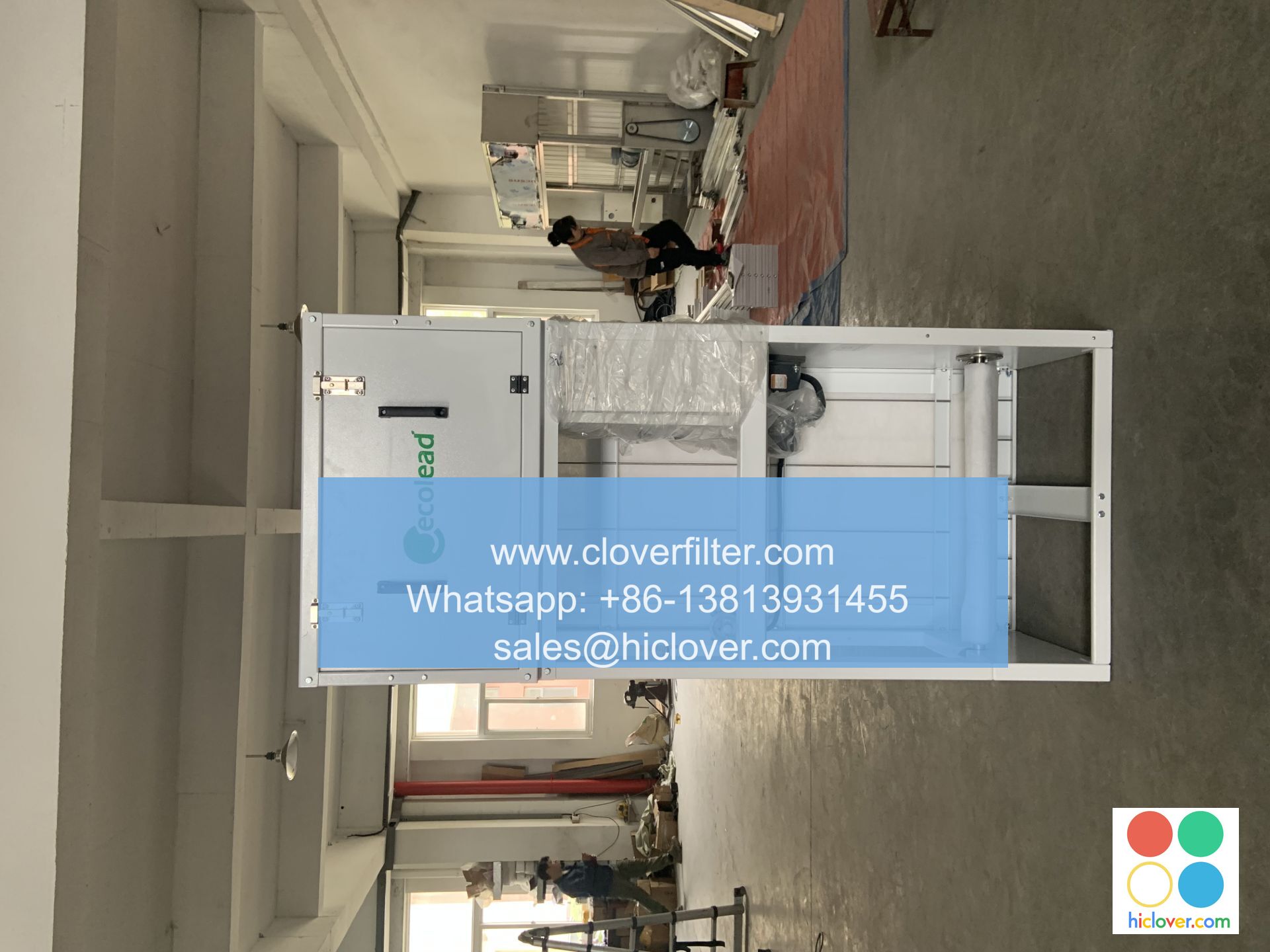
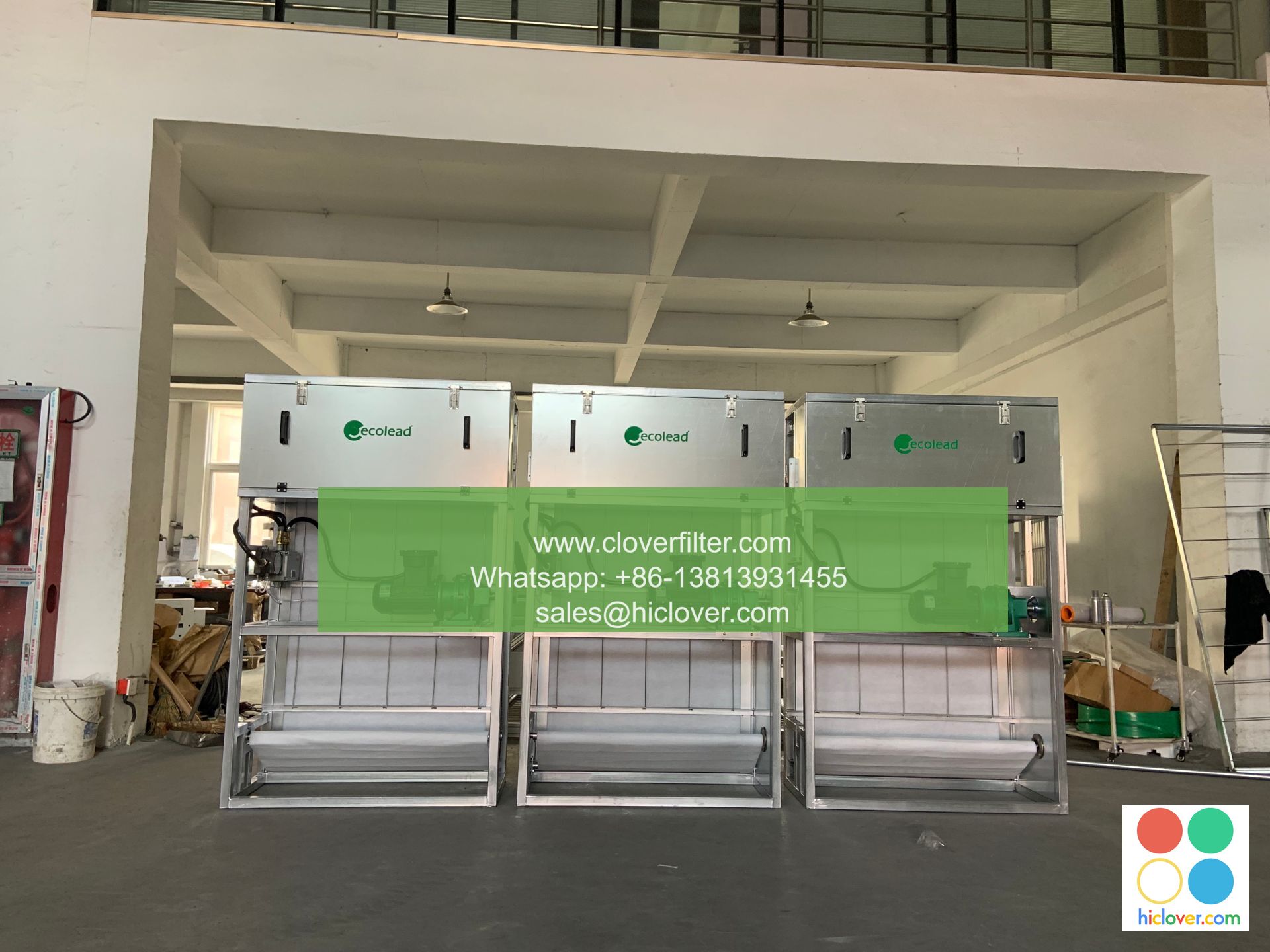
Automatic roll air filters are advanced filtration systems designed to provide continuous air purification by using a rolling mechanism. As the filter becomes clogged with contaminants, it automatically shifts to a fresh section of the filter material. This technology ensures optimal air quality without requiring constant manual intervention, making it ideal for busy research labs.
1. Enhanced Energy Efficiency
One of the primary benefits of automatic roll air filters is their ability to enhance energy efficiency significantly. By providing consistent air quality, these filters reduce the workload on HVAC systems. Research labs often rely on complex heating and cooling systems, which can be energy-intensive. Cleaner air means that these systems do not need to work as hard, resulting in lower energy consumption and reduced utility costs.
2. Improved Air Quality
Research labs often handle volatile chemicals and materials that can contribute to poor air quality. Automatic roll air filters effectively capture particulate matter, VOCs (volatile organic compounds), and other harmful contaminants. By maintaining a cleaner laboratory environment, these filters not only protect the health of researchers but also ensure compliance with safety regulations.
3. Sustainable Operations
In an age where sustainability is paramount, the addition of automatic roll air filters aligns with the goals of many research institutions. By reducing energy consumption, researchers can lessen their carbon footprint while promoting sustainability initiatives. It also contributes to maintaining a LEED (Leadership in Energy and Environmental Design) certification, which is increasingly sought after by modern research facilities.
4. Application in Various Research Areas
Automatic roll air filters can be particularly beneficial in various research settings, including:
- Biomedical Labs: These labs require stringent air quality standards due to the handling of pathogens and biological materials.
- Chemical Research Facilities: The filtration needs in these labs are critical due to the presence of hazardous chemicals that can affect both researcher safety and the overall environment.
- Environmental Research Centers: Air filters contribute to more accurate data collection related to air quality studies, helping researchers monitor pollutants.
- Pharmaceutical Development Labs: These laboratories must maintain precise air quality to ensure product safety and efficacy, making roll air filters invaluable.
Conclusion
The integration of automatic roll air filters in research labs represents a leap toward enhanced energy efficiency and improved air quality. As such environments increasingly focus on sustainability, these filters offer a practical solution with multiple benefits. By considering automatic roll air filters, research institutions can significantly reduce their energy consumption while promoting a healthier, safer, and more productive workspace.
