The Benefits of Automatic Roll Air Filters on Newfoundland Offshore Oil Platforms: A Case Study
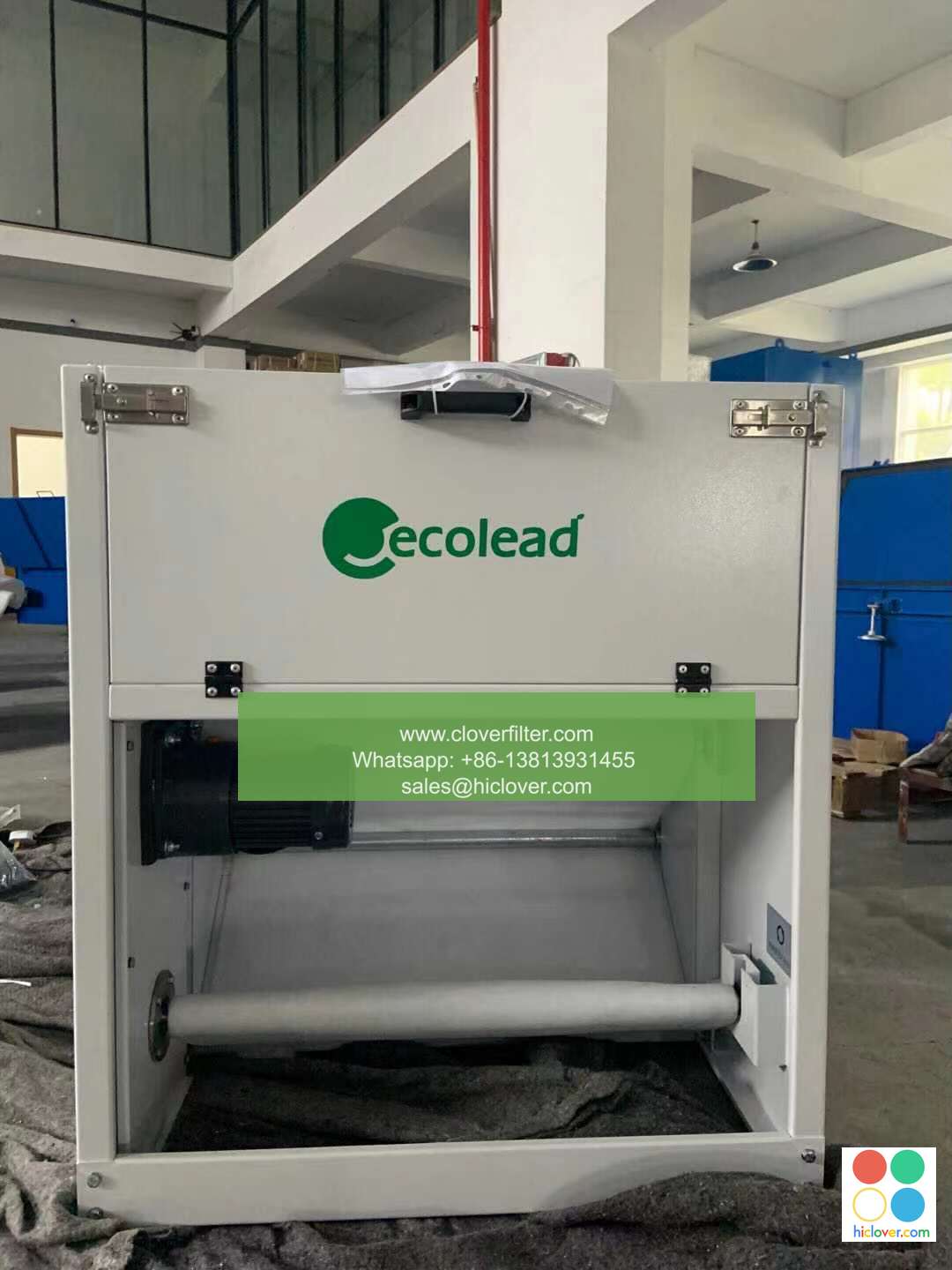
The offshore oil platforms located off the coast of Newfoundland, Canada, are some of the most remote and harsh environments in the world. The platforms are exposed to extreme weather conditions, including high winds, heavy seas, and freezing temperatures, which can pose significant challenges to the maintenance and operation of the facilities. One of the critical systems on these platforms is the air filtration system, which is responsible for providing clean air to the platform’s HVAC systems, turbines, and other equipment. In this article, we will explore the benefits of using automatic roll air filters on Newfoundland offshore oil platforms, through a case study.
Traditional air filters used on offshore oil platforms are typically replaced manually, which can be a time-consuming and labor-intensive process. The filters are usually replaced every 1-3 months, depending on the operating conditions, and the process can take several hours to complete. This can lead to significant downtime and increased maintenance costs. Furthermore, the manual replacement process can also pose safety risks to the maintenance personnel, who have to work in challenging environments and handle heavy and dirty filters.

To address these challenges, some offshore oil platforms in Newfoundland have started using automatic roll air filters. These filters use a continuous roll of filter media, which is automatically advanced as the filter becomes dirty. This eliminates the need for manual replacement and reduces the maintenance requirements. The automatic roll air filters also provide a higher level of filtration efficiency, which can help to improve the overall performance and reliability of the platform’s equipment.
A case study was conducted on one of the offshore oil platforms in Newfoundland, which had recently installed automatic roll air filters. The study found that the new filters had reduced the maintenance time by 75% and the downtime by 90%. The platform’s maintenance personnel were able to focus on other critical tasks, and the safety risks associated with manual filter replacement were significantly reduced. The study also found that the automatic roll air filters had improved the filtration efficiency by 25%, which had resulted in a significant reduction in equipment damage and downtime.
Another benefit of using automatic roll air filters is the reduction in waste generation. Traditional air filters are typically replaced and disposed of every 1-3 months, which can lead to significant waste generation. The automatic roll air filters, on the other hand, use a continuous roll of filter media, which can be recycled or disposed of at the end of its life cycle. This can help to reduce the platform’s environmental footprint and minimize the waste disposal costs.
In addition to the benefits mentioned above, automatic roll air filters can also help to improve the indoor air quality on offshore oil platforms. The filters can capture a wide range of contaminants, including particulate matter, gases, and vapors, which can help to create a healthier working environment for the platform’s personnel. This can be particularly important in offshore environments, where the personnel are often exposed to harsh weather conditions and may be more susceptible to respiratory problems.
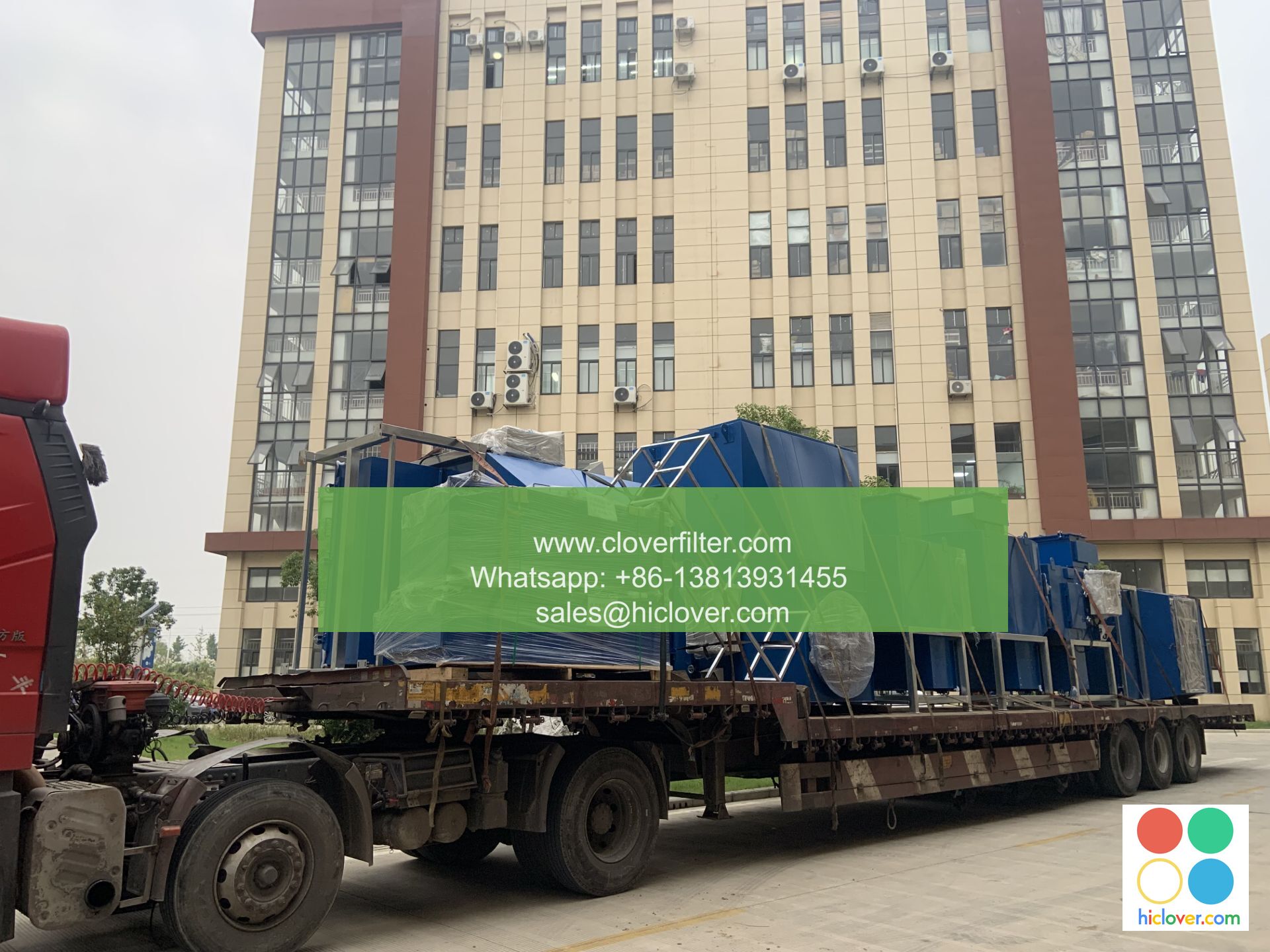
In conclusion, the use of automatic roll air filters on Newfoundland offshore oil platforms can provide significant benefits, including reduced maintenance time and downtime, improved filtration efficiency, and reduced waste generation. The case study demonstrated that the new filters can help to improve the overall performance and reliability of the platform’s equipment, while also reducing the safety risks associated with manual filter replacement. As the offshore oil and gas industry continues to evolve, the use of automatic roll air filters is likely to become more widespread, as operators seek to improve the efficiency, safety, and environmental sustainability of their operations.
Frequently Asked Questions (FAQs)
Q: What are automatic roll air filters?
A: Automatic roll air filters are a type of air filter that uses a continuous roll of filter media, which is automatically advanced as the filter becomes dirty.
Q: How do automatic roll air filters reduce maintenance time?
A: Automatic roll air filters eliminate the need for manual filter replacement, which can be a time-consuming and labor-intensive process. The filters are automatically advanced, reducing the maintenance time by up to 75%.
Q: Can automatic roll air filters improve filtration efficiency?
A: Yes, automatic roll air filters can improve filtration efficiency by up to 25%. The filters can capture a wide range of contaminants, including particulate matter, gases, and vapors, which can help to create a healthier working environment.
Q: How do automatic roll air filters reduce waste generation?
A: Automatic roll air filters use a continuous roll of filter media, which can be recycled or disposed of at the end of its life cycle. This can help to reduce the platform’s environmental footprint and minimize the waste disposal costs.
Q: Are automatic roll air filters suitable for use in harsh offshore environments?
A: Yes, automatic roll air filters are designed to operate in harsh offshore environments, including high winds, heavy seas, and freezing temperatures. The filters are built to withstand the extreme conditions and provide reliable performance.
