The Benefits of Automatic Ventilation Systems for Textile Manufacturing in Mwanza
Introduction

Mwanza, a bustling hub in Tanzania, is rapidly growing as a center for textile manufacturing. As the textile industry expands, the importance of maintaining optimal working conditions has come to the forefront. Among the solutions, automatic ventilation systems have emerged as a game-changer, enhancing productivity, air quality, and worker safety.
Improved Air Quality
One of the primary benefits of automatic ventilation systems is the significant improvement in air quality. These systems actively monitor and regulate the air composition in the textile manufacturing environment. By eliminating dust, volatile organic compounds (VOCs), and other pollutants, manufacturers can create a healthier workplace for their employees. This is particularly vital in Mwanza, where natural humidity levels can affect air quality, especially during peak production times.
Enhanced Energy Efficiency
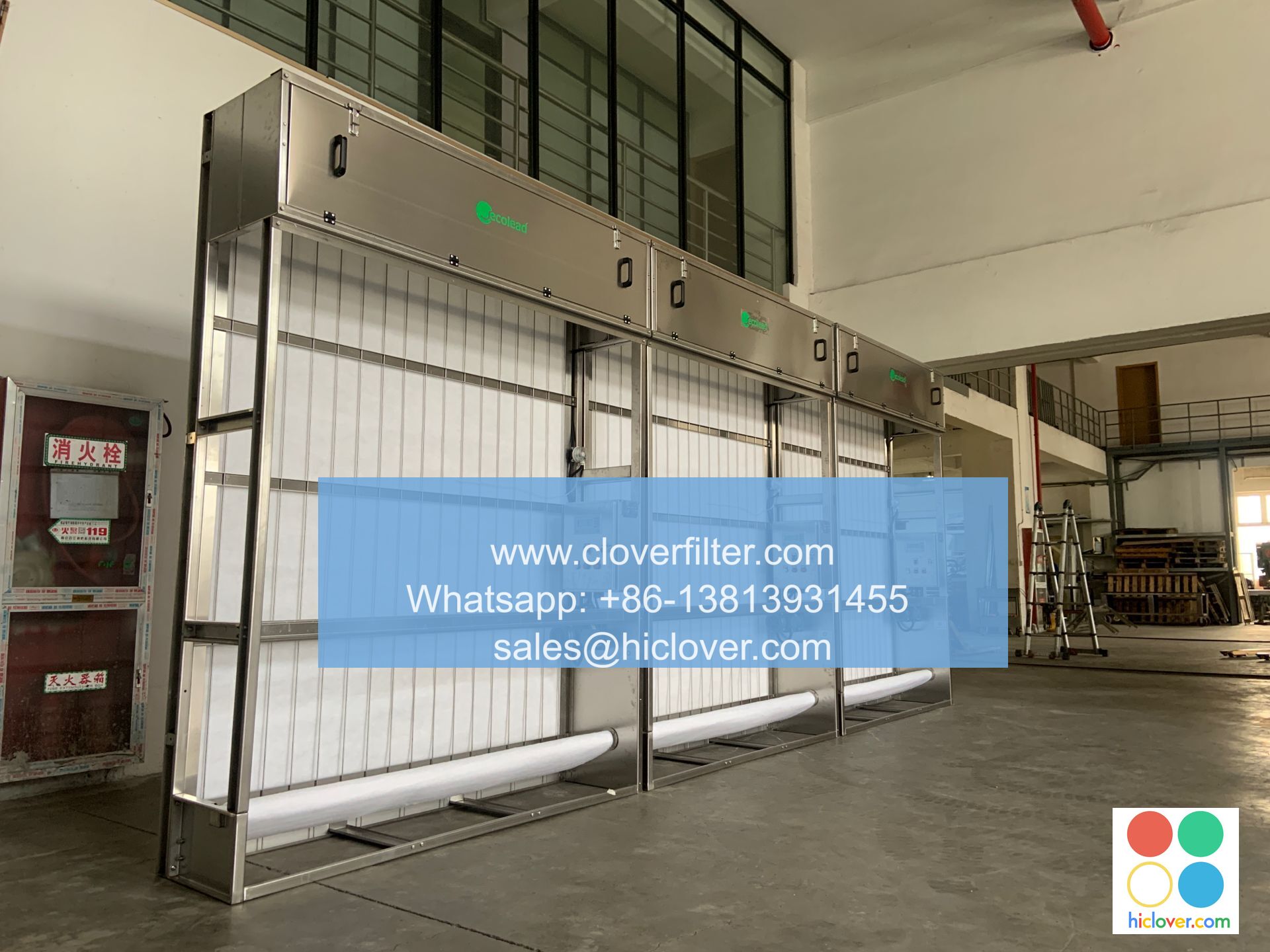
Automatic ventilation systems contribute to energy savings, making them an attractive investment for textile manufacturers. By utilizing smart sensing technology, these systems optimize airflow based on current needs, which can lead to lower energy consumption. This efficiency is critical in Mwanza, where energy costs can significantly impact overall operational expenses.
Boosted Productivity
With better air quality and climate control, workers can perform their jobs more efficiently and comfortably. Studies have shown that a favorable environment leads to increased focus and efficiency among employees. In the competitive textile landscape of Mwanza, this boost in productivity can be a decisive factor for manufacturers aiming to meet rising demands.
Compliance with Health and Safety Regulations
Operating within the textile manufacturing sector comes with its own set of health and safety regulations. Automatic ventilation systems can help ensure compliance with these standards by consistently maintaining optimal air quality. Employers who prioritize these systems demonstrate a commitment to worker safety, which can enhance their reputation and reduce liabilities.
Versatile Applications
The versatility of automatic ventilation systems allows them to be tailored to various applications within the textile manufacturing process. From dye houses to weaving units, each area can benefit from targeted ventilation improvements that address specific needs, such as:
- Dyeing and Finishing: Reduces exposure to harmful chemicals.
- Weaving and Spinning: Maintains optimal humidity and temperature levels.
- Quality Control: Protects sensitive materials from environmental factors.
Conclusion
In summary, the implementation of automatic ventilation systems in textile manufacturing in Mwanza offers a myriad of benefits, including improved air quality, enhanced energy efficiency, and increased employee productivity. As the industry continues to grow, adopting these systems could be crucial for maintaining competitiveness while ensuring a safe and sustainable working environment. By investing in advanced ventilation solutions, manufacturers can secure their place in Mwanza’s thriving textile landscape, paving the way for future success.
It looks like you entered “Prompt” without any additional context. How can I assist you? Are you looking for writing prompts, questions to spark ideas, or something else entirely? Let me know how I can help!
