The Benefits of Custom Air Filters: A Statistical Breakdown
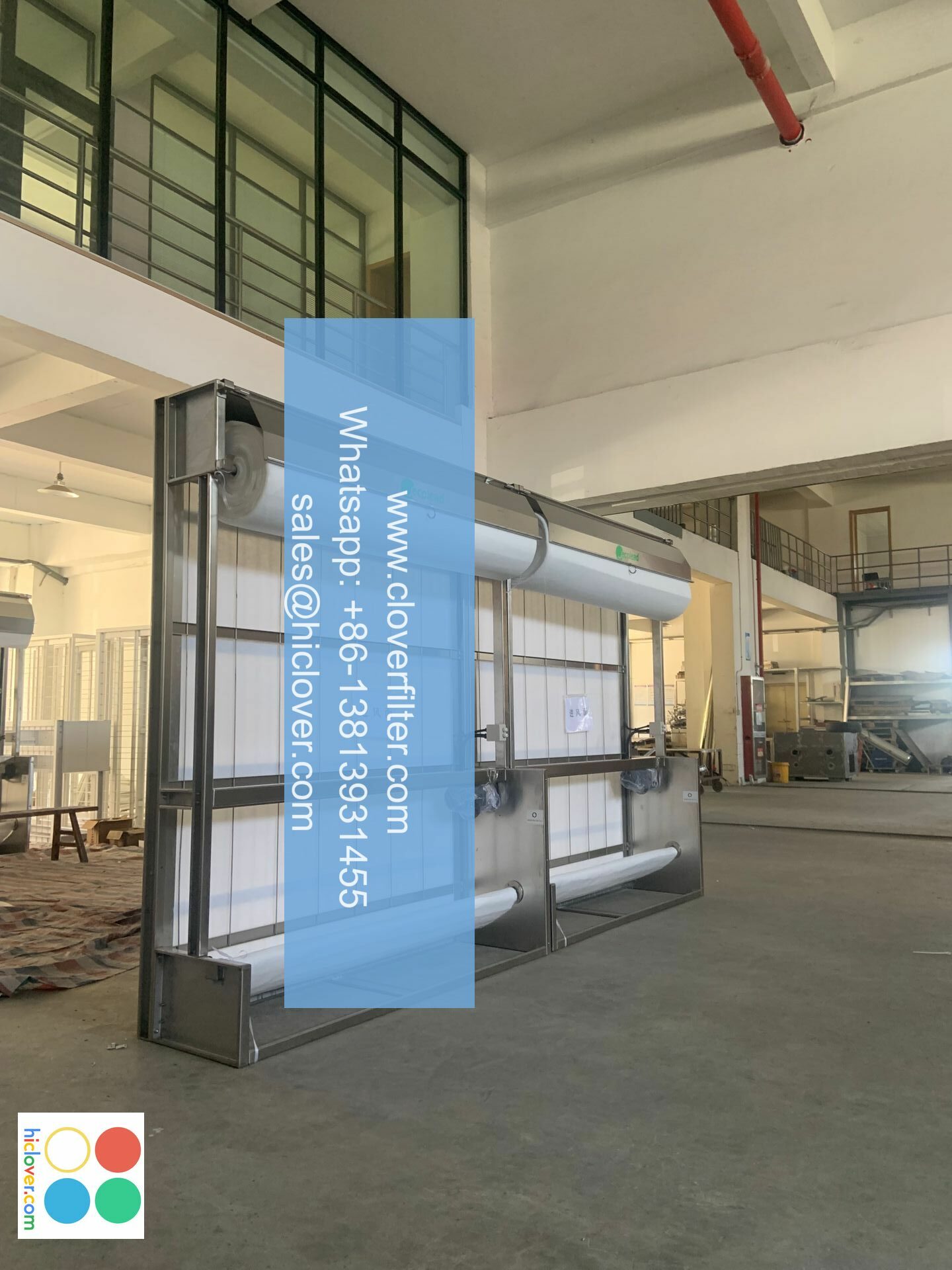
As the world grapples with the challenges of air pollution and indoor air quality, the importance of custom air filters has become increasingly evident. These tailored filters offer a range of benefits, from improved air purification and increased energy efficiency to enhanced health and safety. In this article, we will delve into the statistical breakdown of the benefits of custom air filters, highlighting various application areas and key words such as HEPA filtration, air quality control, and indoor air pollution reduction.
Improved Air Purification and Health Benefits
Custom air filters are designed to capture a wide range of airborne pollutants, including dust, pollen, mold, and bacteria. According to the Environmental Protection Agency (EPA), indoor air pollution can be up to 5 times higher than outdoor levels, making custom air filters a crucial component in maintaining good health. By incorporating HEPA filtration technology and activated carbon filters, custom air filters can remove up to 99.97% of particles as small as 0.3 microns, significantly reducing the risk of respiratory problems and other health issues.
Energy Efficiency and Cost Savings
In addition to their health benefits, custom air filters can also contribute to energy efficiency and cost savings. By optimizing airflow and reducing the strain on heating, ventilation, and air conditioning (HVAC) systems, custom air filters can help reduce energy consumption and lower utility bills. According to the U.S. Department of Energy, custom air filters can save homeowners up to $300 per year on energy costs, making them a valuable investment for both residential and commercial properties.
Indoor Air Quality Control and Application Areas
Custom air filters have a wide range of applications, from industrial air filtration and commercial air purification to residential air quality control. In healthcare facilities, custom air filters are critical in preventing the spread of airborne infections and maintaining a safe environment for patients and staff. In industrial settings, custom air filters help reduce the risk of occupational diseases and improve worker productivity. Additionally, custom air filters are used in cleanrooms, data centers, and laboratories to maintain precise air quality control and prevent contamination.

Statistical Breakdown: The Numbers Behind Custom Air Filters
* 75% of homeowners report improved indoor air quality after installing custom air filters (Source: National Air Duct Cleaners Association)
* Custom air filters can remove up to 99.97% of airborne pollutants, including dust, pollen, and bacteria (Source: EPA)
* The global custom air filter market is projected to reach $1.4 billion by 2025, growing at a CAGR of 7.5% (Source: MarketsandMarkets)
* Custom air filters can save homeowners up to $300 per year on energy costs (Source: U.S. Department of Energy)
In conclusion, the benefits of custom air filters are undeniable. With their ability to improve air purification, increase energy efficiency, and enhance health and safety, custom air filters are a vital component in maintaining good indoor air quality. By highlighting various application areas and key words such as HEPA filtration, air quality control, and indoor air pollution reduction, it is clear that custom air filters are a crucial investment for any property, whether residential or commercial. As the demand for custom air filters continues to grow, it is essential to understand the statistical breakdown of their benefits and explore the various ways in which they can be applied to improve indoor air quality and overall health. You haven’t provided a question or topic for me to assist you with. Please provide more context or information so I can give you a helpful and accurate response. What would you like to talk about or ask?
