The Benefits of Electrostatic Air Filters for Energy Efficiency
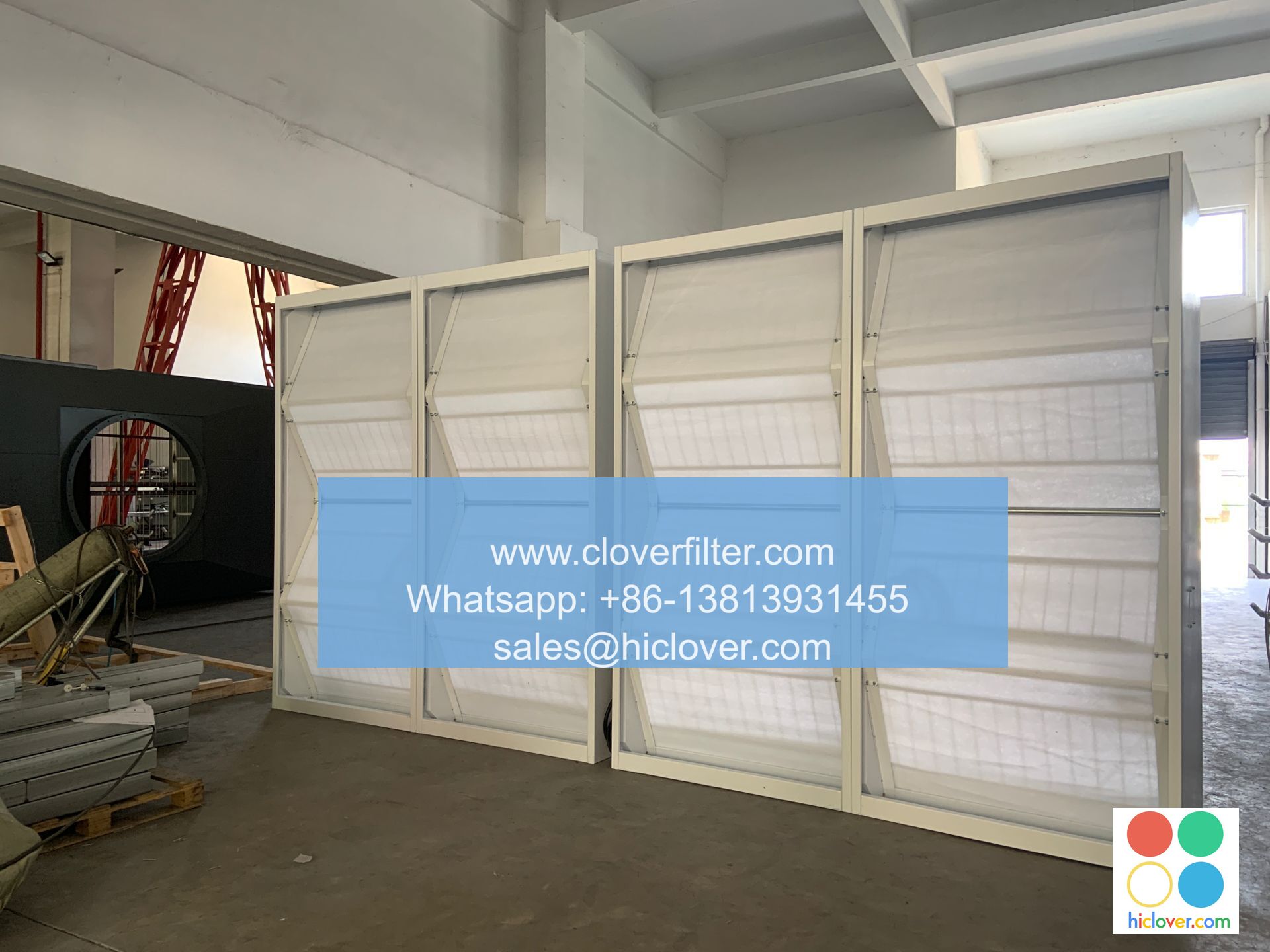
As the world grapples with the challenges of climate change, energy efficiency has become a critical aspect of our daily lives. One often overlooked area where significant energy savings can be achieved is through the use of electrostatic air filters in heating, ventilation, and air conditioning (HVAC) systems. These innovative filters not only contribute to a healthier indoor environment by capturing pollutants and allergens but also play a vital role in reducing energy consumption. In this article, we will delve into the benefits of electrostatic air filters for energy efficiency, highlighting their application areas and how they can make a significant difference in both residential and commercial settings.
How Electrostatic Air Filters Work
Electrostatic air filters utilize electrostatic charges to attract and trap dust, pollen, and other airborne particles. Unlike traditional mechanical filters that rely on the size of the particles to filter them out, electrostatic filters can capture particles as small as 0.1 microns, including submicron particles, with high efficiency. This is achieved through a process where the filter is charged with an electrostatic field, creating an attraction between the filter and the oppositely charged particles in the air. This mechanism not only improves indoor air quality but also reduces the pressure drop across the filter, leading to better airflow and less strain on the HVAC system.
Energy Efficiency Benefits
The use of electrostatic air filters can significantly contribute to energy efficiency in several ways:
– Lower Pressure Drop: Electrostatic filters have a lower pressure drop compared to traditional filters. This means that the HVAC system does not have to work as hard to push air through the filter, resulting in lower energy consumption.
– Less Frequent Replacement: Since electrostatic filters are washable and reusable, the need for frequent replacements is eliminated. This not only saves money on replacement filters but also reduces waste, making it an environmentally friendly option.
– Extended HVAC Life: By reducing the strain on the HVAC system and preventing dust and debris from accumulating on the system’s components, electrostatic filters can help extend the lifecycle of the HVAC equipment, further saving on energy costs and maintenance expenses.
Application Areas
The benefits of electrostatic air filters are not limited to any specific setting; they can be applied in various areas, including:
– Residential Applications: Homes can greatly benefit from electrostatic filters, improving indoor air quality and reducing energy bills.
– Commercial Buildings: Offices, warehouses, and retail spaces can see significant savings in energy consumption and maintenance costs.
– Industrial Settings: Factories and manufacturing facilities can benefit from cleaner air and reduced HVAC system strain, leading to increased productivity and efficiency.
– Healthcare Facilities: Hospitals and clinics require the highest standards of air purity, making electrostatic filters an ideal choice for maintaining a healthy environment for patients and staff.
Conclusion
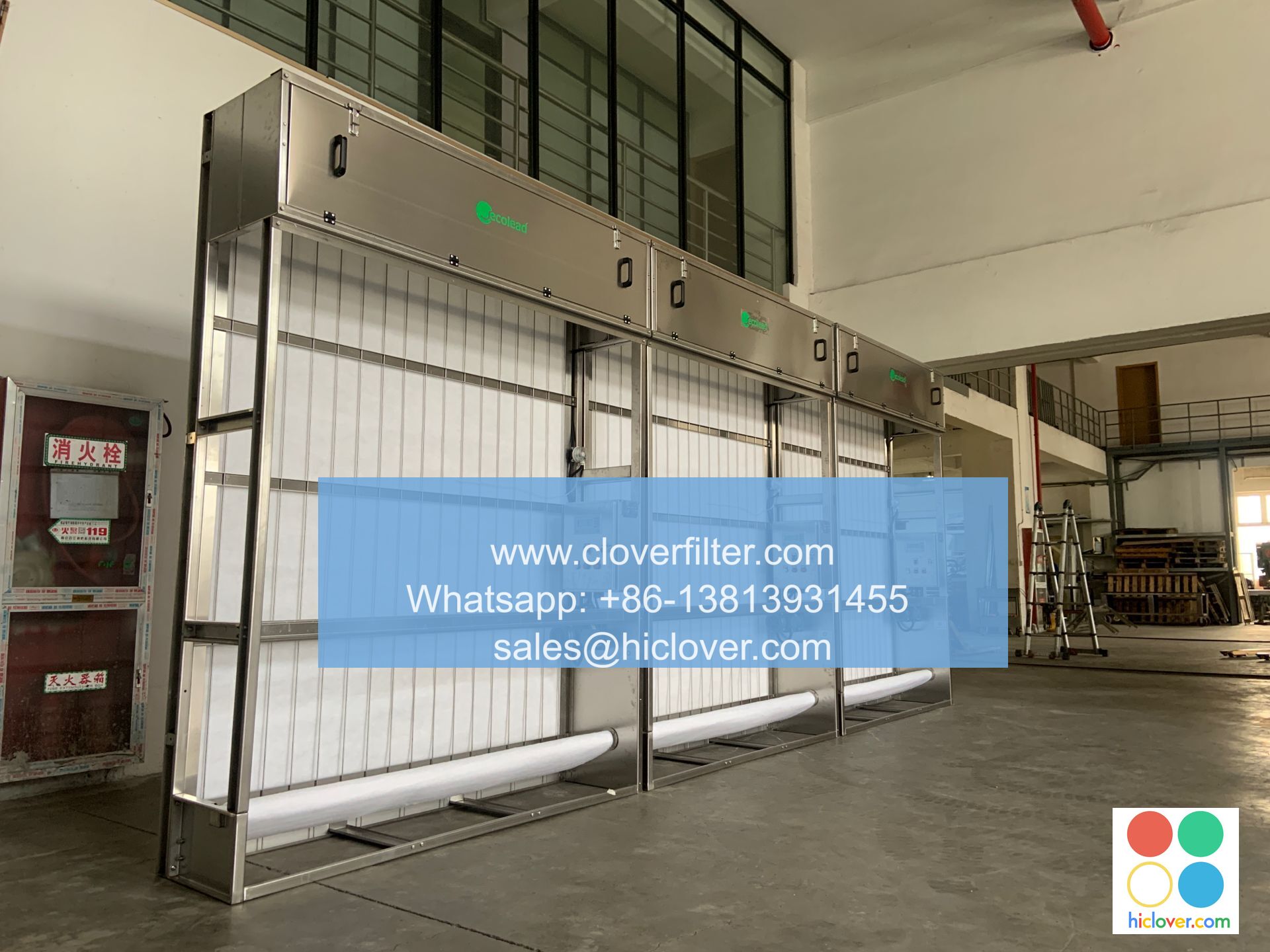
In conclusion, electrostatic air filters offer a multifaceted solution for achieving energy efficiency and improving indoor air quality. By reducing energy consumption, extending the life of HVAC systems, and providing a healthier environment, these filters are a valuable investment for both residential and commercial applications. As we move forward in our pursuit of sustainable and eco-friendly technologies, innovations like electrostatic air filters will play a crucial role in helping us achieve our energy efficiency goals and create a healthier, more sustainable future. Prompt
